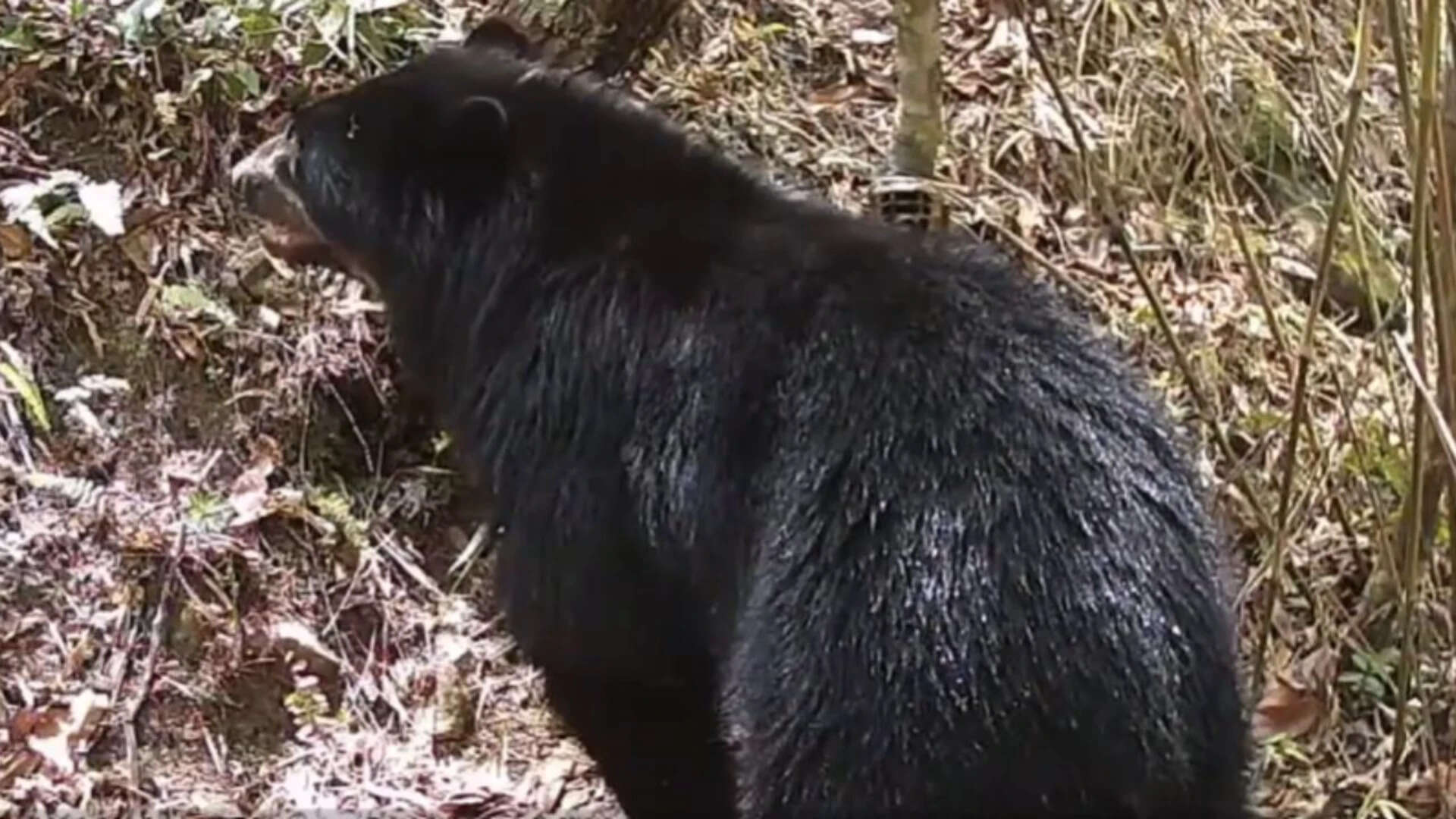
You won't hear much about South America's only native bear on daily news programs, but a recent trail camera sighting in Bolivia just changed that quiet narrative. A rare Andean bear, locally called the jukumari, was captured walking right into the Parapetí River and staying there to cool off. It is a striking piece of wildlife footage. More importantly, it offers a rare glimpse into the health of an increasingly fragile ecosystem.
Let's look past the viral nature of the video. Why did this bear step into the water, and what does its presence actually mean for the region?
The Reality Behind the Parapetí River Sighting
The footage, released by Fundación Natura Bolivia, shows the bear casually making its way down to the riverbank. It steps into the water, spends several minutes lingering in the current, and then quietly melts back into the surrounding forest.
This isn't a random occurrence. Back in 2022, monitoring cameras in the same upper watershed recorded two Andean bears moving through the area. Finding them here again proves that this specific stretch of the Parapetí River basin remains a functional, connected corridor for local wildlife.
- Location: Headwaters of the Parapetí River in Bolivia.
- Species: Andean bear (Tremarctos ornatus), classified as Vulnerable by the IUCN.
- Context: Following up on previous 2022 trail-cam detections in the same watershed.
Conservationists aren't popping champagne bottles just yet, though. Field biologists quickly point out that one video doesn't mean the local population is booming. It simply confirms that at least one individual is using this habitat corridor right now.
Why Andean Bears Need Connected Forests
If you've ever studied large carnivores, you know they don't stay put. Andean bears require massive ranges that stretch from high mountain cloud forests down into dry forest valleys.
The Upper Parapetí River Basin protected area, established back in 2017, covers roughly 292,600 acres. It connects directly with the Serranía de los Milagros protected area. Without these uninterrupted blocks of land, bears get cornered by expanding agriculture and human settlements.
When a bear wades into a river or crosses a ridge, it's doing what its ancestors did for centuries. But every year, human activity squeezes those migration routes tighter.
The Real Threats Facing the Jukumari
Let's be honest about the dangers. Habitat loss is the primary killer of wild populations. As humans push deeper into the tropical Andes for farming and cattle ranching, conflicts skyrocket.
- Agricultural expansion: Destroys natural food sources like wild fruits and bromeliads.
- Human-wildlife conflict: Farmers occasionally shoot bears to protect livestock.
- Poaching: Rare illegal hunting for body parts remains a persistent underground threat.
When you see a healthy bear calmly wading in a river, it tells you the local habitat hasn't been completely ruined yet. Clean water and intact forest cover are holding the line. But how long can that last without active protection?
What Happens Next for Bolivia's Watersheds
Protecting a 300,000-acre basin sounds impressive on paper, but enforcement and local community buy-in dictate whether animals actually survive. Organizations working in the region rely on camera traps to track species distribution, map conflict hotspots, and educate local communities on peaceful coexistence.
If you want to support real conservation efforts, look toward groups funding on-the-ground protected corridor initiatives rather than passive online petitions. Keeping these remote river systems connected is the only way the jukumari keeps walking.