Diplomatic immunity is supposed to protect state business. Instead, it keeps shielding individuals from facing justice.
When a US embassy staffer in London was whisked out of the country following serious allegations involving indecent images of children, it triggered immediate outrage. British police were left stranded just as they prepared to question the suspect. This incident brings back uncomfortable memories of past high-profile cases where foreign nationals sidestepped local criminal investigations under the guise of diplomatic protection. Also making waves in this space: Why This Maine Lobsterman Is Taking Government Gps Trackers To The Supreme Court.
You see, the public reaction isn't just about one individual. It is about a recurring pattern where international agreements clash directly with domestic accountability. When someone accused of heinous crimes avoids a police interview by jumping on a flight back to the United States, trust takes a massive hit.
The Mechanics Behind the Exit
Let's look at how these situations typically unfold. When a foreign worker stationed at an embassy faces criminal allegations, local law enforcement usually moves quickly to secure evidence and conduct interviews. However, invocation of diplomatic or administrative protections changes the rules of the game instantly. Additional details regarding the matter are covered by The Washington Post.
In this recent London case, the staffer was flown out before British authorities could complete their probe. Critics and politicians have called the maneuver indefensible. Citizens expect justice to be applied equally, regardless of employment status or international treaties. When an embassy worker is quietly evacuated rather than subjected to local courts, it feels like a double standard.
Why This Strains Transatlantic Relations
The UK and the US share a deep intelligence and security partnership. Yet, actions like this threaten to fray those diplomatic bonds at the seams. Lawmakers in Westminster face heavy pressure from constituents demanding answers. How can a foreign mission bypass local law enforcement so effortlessly?
This scenario mirrors the public outcry following the tragic death of Harry Dunn, where the spouse of a US intelligence official fled Britain using diplomatic immunity. That case took years of campaigning by the victim's family just to secure a virtual court appearance and a suspended sentence. People haven't forgotten how difficult it was to bring accountability to that situation. Seeing another similar event happen raises urgent questions about whether current agreements protect staff or shield wrongdoers.
What Needs to Change
Treaties governing embassy personnel require a serious overhaul. Immunity should never serve as a permanent shield against allegations of severe criminal offenses. If an individual working inside an embassy commits a serious crime on host soil, they should face local investigative procedures. Protecting national security interests shouldn't mean enabling flight from justice.
Governments must establish clearer boundaries. Transparency is the only antidote to public anger. Until officials renegotiate these outdated frameworks, every single instance of sudden repatriation will spark intense backlash. Justice delayed or avoided entirely leaves deep scars on international trust.
Take a hard look at how these international protocols operate. Demand better accountability from your representatives when foreign agreements bypass local laws. Push for policy reforms that ensure no individual sits above the law.
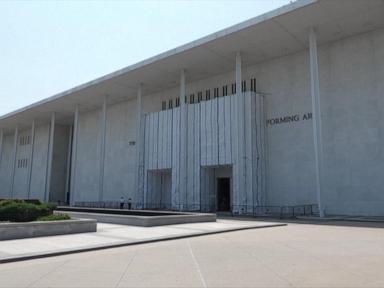
US Secretly Flew Out Diplomat From UK Before London Police
This video provides an in-depth breakdown of the recent controversy surrounding the US embassy staffer who was secretly flown out of the UK before British police could conduct an investigation.