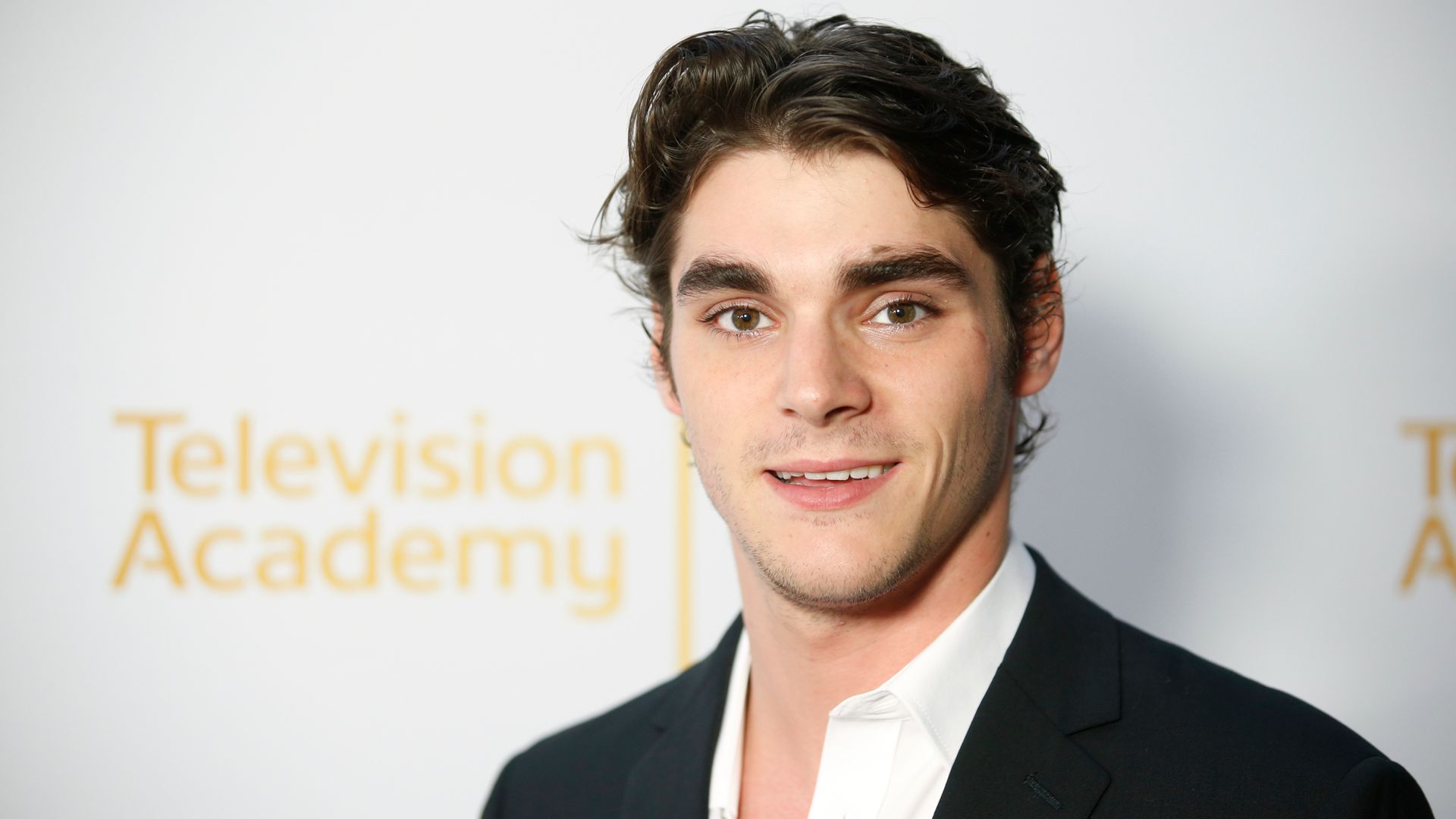
The television world lost a genuinely unique talent when RJ Mitte passed away at the young age of 34 in Brownsville, Texas. Most viewers instantly recognize him as Walter "Flynn" White Jr., the breakfast-loving, moral anchor of AMC's iconic crime drama Breaking Bad. But reducing Mitte to a single role misses the entire point of who he was and what he fought for throughout his life.
He wasn't just an actor playing a character with a disability. He was a trailblazer who lived with cerebral palsy and used his platform to fundamentally change how Hollywood views disability representation.
Beyond the Breakfast Table in Albuquerque
When Breaking Bad premiered back in 2008, television was not known for nuanced portrayals of disability. Characters with physical challenges were often tokenized, pitied, or played by able-bodied actors using exaggerated traits. Mitte changed that dynamic overnight. Diagnosed with cerebral palsy at age three, he brought raw, lived authenticity to Walter Jr., a teenager dealing with the physical realities of the condition while navigating the chaotic fallout of his father's descent into the drug trade.
Fans remember the iconic breakfast scenes, the fierce loyalty to his on-screen mother Skyler (played by Anna Gunn), and the heartbreaking disillusionment when he finally learned the truth about Heisenberg. Mitte made those moments hit with quiet strength. He didn't need flashy monologues to steal a scene from Bryan Cranston; his presence alone provided an emotional groundedness that kept the show tethered to reality.
Yet, stepping into that world wasn't a handout. Mitte worked hard for it. Before landing the career-defining gig at age 15, he picked up minor television work on shows like Everybody Hates Chris and Hannah Montana. He moved to Hollywood, trained rigorously, and turned his personal physical struggles into a masterclass in screen acting.
A Tireless Advocate for Disability Rights
Acting was only part of Mitte's daily mission. Behind the scenes, he transformed his sudden fame into a megaphone for systemic change. He served as an ambassador for United Cerebral Palsy and Shriners Children's, while also acting as president of The Mitte Foundation.
Hollywood has long struggled with inclusivity, and Mitte was never quiet about it. He frequently called out executive boards and casting directors for sidelining actors with disabilities, arguing that authentic casting isn't just a moral choice—it makes storytelling better. He wanted disabled actors to play heroes, villains, and ordinary people, not just walking medical diagnoses.
His efforts went far beyond standard celebrity charity work. He understood the barriers to entry in creative industries because he faced them firsthand. By championing community initiatives and pushing studios to open doors, he left an imprint on the entertainment business that will outlast any single television episode.
A Career Shaped by Variety and Resilience
While Breaking Bad remains his defining cultural footprint, Mitte kept working across diverse projects long after the series wrapped in 2013. He appeared in Netflix's superhero series The Guardians of Justice as Mind Master, took on indie horror in The Oak Room, and starred in the 2026 film Talking to Strangers, playing a man with cerebral palsy who forms an unexpected bond with a young woman.
His personal story was shaped by quiet resilience long before cameras started rolling. Raised in Mississippi by adoptive parents—a fact he famously discovered at age eight when his step-brother blurted it out after overhearing a family conversation—he often spoke about how loved and supported he felt growing up. That inner security translated into a grounded public persona. Fellow actors and podcast hosts who sat down with him recently frequently described him as a gentle, kind-hearted soul who genuinely cared about the people around him.
Dean Norris, who played his on-screen uncle DEA agent Hank Schrader, shared a poignant tribute reflecting on Mitte as a son figure, capturing the deep familial bonds forged during those grueling years filming in the New Mexico desert.
The entertainment industry lost a passionate advocate and a memorable performer. But the standards he set for representation, and the conversations he forced Hollywood to have, remain part of his permanent legacy.
Take a moment to look past the iconic memes and rewatch his performances with a fresh perspective. Support the foundations he fought for, and demand better, more authentic representation in the media you consume every day.