Robert Gilman’s homecoming should have been a moment of pure relief. After more than four years locked inside the Russian penal system, the Marine veteran finally touched American soil.
Yet, when families of other detained Americans saw the footage of Gilman—gaunt, weakened, and physically devastated—celebration turned straight into dread.
The immediate reaction across kitchen tables in the United States wasn't just joy for one man. It was a chilling question: Does it really take someone standing on the absolute brink of death for governments to act?
Gilman's survival came down to the wire. Advocates and family members note that Russian authorities likely pushed him out because a high-profile American dying in a penal colony creates an unmanageable international crisis. That reality leaves a terrifying precedent for the other U.S. citizens currently trapped behind bars.
The Hidden Crisis of Medical Neglect Behind Russian Prison Walls
Medical care in the Russian penal system isn’t just slow. It is often weaponized. Former detainees like Paul Whelan—who was freed in a massive prisoner exchange—have pointed out that substandard conditions are an intentional feature of the punishment. Prisoners are expected to get less of everything.
When minor health issues turn chronic, inmates face systemic indifference. Dental problems result in teeth being pulled rather than treated. Serious injuries or internal conditions are met with makeshift solutions or ignored entirely until emergency surgery becomes unavoidable.
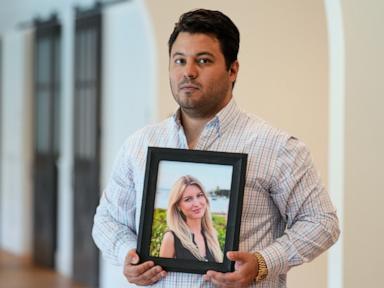
For families tracking these cases from thousands of miles away, the anxiety is relentless. Harold Jezler knows this weight intimately. While watching Gilman's release coverage, his thoughts immediately went to his wife, Olga Jezler, who has been detained in Russia since 2022 and faces mounting health complications. Olga has dealt with a growing ovarian cyst, but the medical approach offered inside the system leans toward aggressive, permanent removal rather than conservative tissue preservation.
Who Is Still Left Behind
Gilman’s freedom did not empty the cells. A bipartisan group of sixteen U.S. senators recently pressed Secretary of State Marco Rubio regarding a roster of Americans whose physical conditions require urgent intervention.
The list includes individuals facing severe medical crises:
- Aleksandr Antonov, who is coping with a traumatic brain injury.
- Andre Khachatoorian, who has lived through nearly five years of imprisonment while battling an autoimmune disease.
- David Barnes, who requires immediate, complex dental surgery.
- Olga Jezler, managing painful reproductive health issues without access to standard Western medical protocols.
For these detainees, time moves differently. Every month spent eating poor nutrition, breathing stale air, and enduring medical neglect compounds long-term damage.
The Shift in Advocacy Strategy
Human rights groups and hostage advocacy organizations are shifting their tone. They argue that waiting for a prisoner’s health to completely collapse before prioritizing their diplomatic release is a failing strategy.
Advocates point out that medical diplomacy needs to become an upfront priority rather than a last-minute scramble. When a prisoner's condition deteriorates into a dissociative stupor or requires a feeding tube, the margin for error disappears entirely.
Families are demanding transparency. They want regular, independent medical evaluations for every detained American. They want assurances that basic human dignity isn't traded away in political gridlock.
The spotlight generated by Gilman’s harrowing return has exposed a brutal truth about international detention. Bringing someone home alive shouldn't require them to look like they barely survived a ghost town.
Check on the official advocacy updates through organizations like the Foley Foundation or Global Reach to see how families are keeping pressure on lawmakers to secure the next wave of releases.