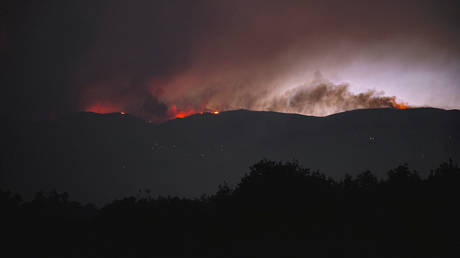
Air defense batteries fired across Riyadh and the Eastern Province as explosions rattled critical oil infrastructure. Saudi Arabia finds itself once again scrambling to neutralize airborne threats originating beyond its borders. The Kingdom reported intercepting multiple drones targeting key economic nodes, exposing the fragile reality of regional ceasefires.
Diplomats talk about peace. Armed factions on the ground keep launching explosives.
The Breakdown of the Recent Lull
Washington and Tehran recently hit pause on direct hostilities, creating a brief window for mediators to push for renewed negotiations. Yet, that tentative quiet has shattered. Drones launched toward Saudi territory, alongside separate incidents reported in Jordan and Iraq, point to a dangerous fracture in command and control.
Iran claims it has halted attacks on Gulf allies. But the militias and proxy groups tied to Tehran aren't following the script. Whether this dynamic represents a rogue faction testing American resolve or a calculated strategy by Iran to maintain pressure through third parties, the outcome remains the same. Saudi Arabia bears the immediate security burden.
The Saudi Foreign Ministry issued a sharp warning, stating the Kingdom reserves the full right to respond. Officials tied the latest barrage directly to armed groups operating inside Iraq, placing immediate diplomatic pressure on Baghdad.
Separate Fronts or Coordinated Chaos
Simultaneously, Yemen’s Houthi rebels announced operations targeting Saudi crude oil transport infrastructure. Analysts are scrambling to determine if the Houthi launch and the drone incursions from the north were synchronized.
Even if the timing was coincidental, the strategic convergence is glaring. Critical energy corridors and urban centers face multi-directional hazards. For months, regional actors have tried to insulate infrastructure from wider geopolitical fallout. Those defensive walls are cracking.
Baghdad faces an immediate diplomatic crisis. Iraqi Prime Minister Ali al-Zaidi stated that his government is actively investigating claims that launch platforms originated within Iraqi borders. Al-Zaidi insisted that state policy prohibits using local territory for attacks against neighbors.
Reality tells a different story. Controlling vast border regions where armed factions operate outside formal military command has proven difficult for successive Iraqi administrations.
What Happens Next for Gulf Security
The immediate calculus for Riyadh involves balancing military defense with economic protection. Investors watch the skies over the Eastern Province closely. Any structural damage to oil processing plants ripples instantly through global energy markets.
Military deterrence works until it doesn't. Interceptor missiles boast high success rates, but maintaining a near-perfect defense record against cheap, mass-produced unmanned aerial vehicles drains resources fast.
Washington's next move will dictate whether this escalation burns out or triggers a wider regional conflagration. If the United States resumes its bombing campaign in response to proxy actions, the fragile diplomatic tracks will disappear entirely.
Keep a close eye on border statements coming out of Baghdad and the operational tempo in Yemen. The current lull is hanging by a thread.