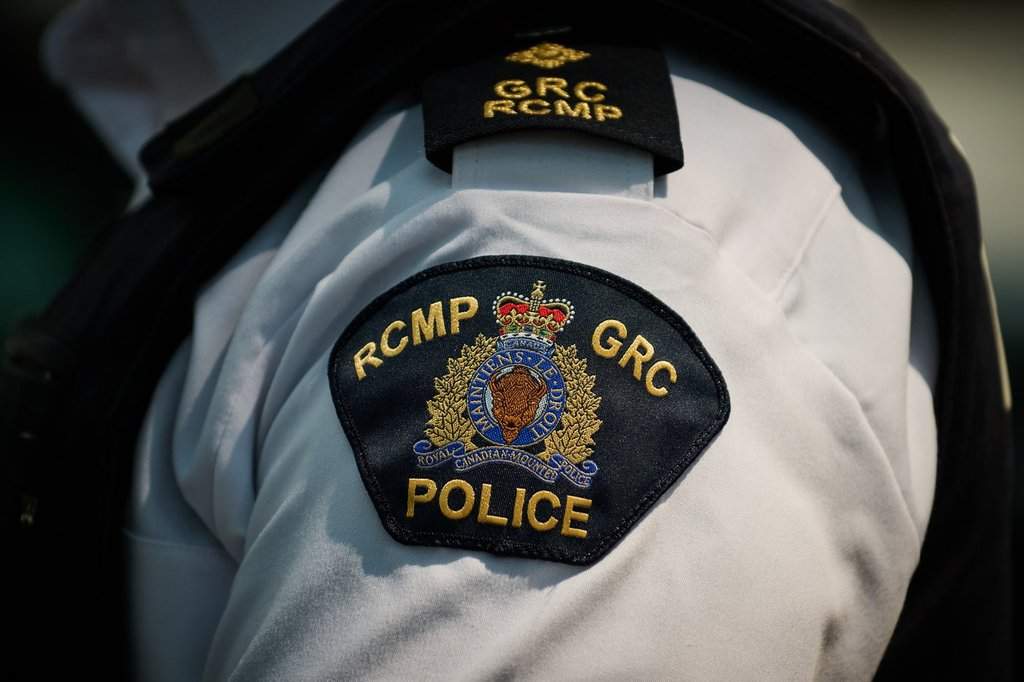
Emergency alerts shatter the quiet of a community in seconds. When the RCMP pushed out a dangerous person alert for the Red Earth Cree Nation area, people across Saskatchewan froze. They checked doors. They kept families close. They waited for updates that could mean the difference between safety and tragedy.
Then, the cancellation came. The Royal Canadian Mounted Police lifted the dangerous person alert after determining there was no longer an active threat to public safety in the region.
If you are tracking how these situations unfold, you know an all-clear notice brings immediate relief, but it also leaves a lot of questions hanging in the air. Let's break down what actually happens behind the scenes during these critical incidents, why alerts are scaled down, and how remote Indigenous communities navigate public safety crises.
The Reality of Emergency Alert Systems in Remote Regions
Emergency alerting has come a long way. Years ago, getting word out across vast, rural northern territories relied heavily on local radio broadcasts, word of mouth, or delayed social media updates. Today, Canada-wide emergency alert systems push notifications straight to cell phones within targeted geographical zones.
That speed saves lives. But it also creates intense panic.
When a dangerous person alert targets a specific First Nation like Red Earth Cree Nation—situated deep in Saskatchewan's northern forestry region, roughly 300 kilometers northeast of Prince Albert—logistics play a massive role. Access routes are limited. Distances between communities are vast. Police resources have to cover immense geographical areas under harsh conditions.
When the RCMP issues an alert, they are acting on immediate, sometimes fluid intelligence. When they lift it, they have verified that the suspect is apprehended, contained, or that the immediate danger has shifted. But communities don't just snap back to normal the second a cell phone buzzes with an cancellation notice.
Why the All-Clear Takes Time
People often wonder why police take hours to clear an area or why alerts stay active long after a suspect is supposedly spotted. Trust me, the margin for error is zero.
Law enforcement agencies operate under strict protocols when dealing with weapons complaints or violent threats. They cannot afford to guess. Before an alert is cancelled, commanders must confirm:
- The suspect is either in custody or dead.
- Secondary locations associated with the suspect have been secured.
- Intelligence units have cleared out any false or secondary threat vectors.
In remote northern areas, backup might be hours away. That means front-line detachment officers have to hold the line alone or with minimal support while waiting for tactical units to arrive. When the RCMP finally steps down a high-risk alert, it represents the conclusion of a high-stakes tactical operation where containment was successfully achieved.
The Trauma Behind the Headlines
News reports focus heavily on the tactical side. Suspect located. Alert cancelled. Investigation ongoing.
What the headlines miss is the heavy emotional toll on residents. Communities like Red Earth Cree Nation and nearby Shoal Lake Cree Nation share deep familial bonds. When an emergency alert blares across phones, it triggers collective trauma, especially given the history of violent incidents that have impacted northern Saskatchewan and other Indigenous communities over recent years.
Living through a lockdown means children hiding in classrooms, elders locked in their homes, and community leaders scrambling to secure local infrastructure. An all-clear message stops the immediate danger, but the psychological aftermath lingers. True recovery requires mental health supports, culturally grounded crisis response teams, and open communication channels between police and band leadership that persist long after the sirens stop.
What You Should Do When an Alert Lifts
If you have family in the region, or if you monitor these incidents for safety awareness, the lifting of an alert means normal travel can resume, but situational awareness remains key.
Check official RCMP Saskatchewan channels or trusted local news outlets for updates on ongoing investigations. Police often maintain a visible presence in communities even after an alert ends to conduct forensic work, interview witnesses, and reassure the public. Give investigators space to do their jobs.
Emergency systems are designed to protect, not alarm. While the Red Earth Cree Nation alert ended safely this time, staying prepared and understanding how emergency protocols function helps everyone navigate future crises with a cooler head.
Keep local emergency numbers handy. Keep your devices charged when traveling through northern corridors. And remember that behind every emergency notification is a community working hard to protect its people.