The planet is stepping into dangerous meteorological territory. Weather patterns are shifting in ways that have meteorologists scrambling to update their models. Right now, a colossal El Nino is developing with a speed and intensity that defies historical averages. It is not just another seasonal warm phase. It is an extreme climate anomaly threatening to upend weather systems across North America and the wider Pacific basin months ahead of schedule.
If you are wondering why your local weather forecast feels increasingly erratic, look toward the equator. The tropical Pacific Ocean is running drastically hotter than normal. Scientists tracking relative temperature indices note that current ocean warming trends sit well above past benchmark years. Normally, this climate driver builds slowly through the autumn months and reaches its peak between November and January. This time, it has surged early, catching critical monitoring agencies completely unprepared for how fast the energy is accumulating. For another perspective, check out: this related article.
The Pacific Is Breeding Anomalies Right Now
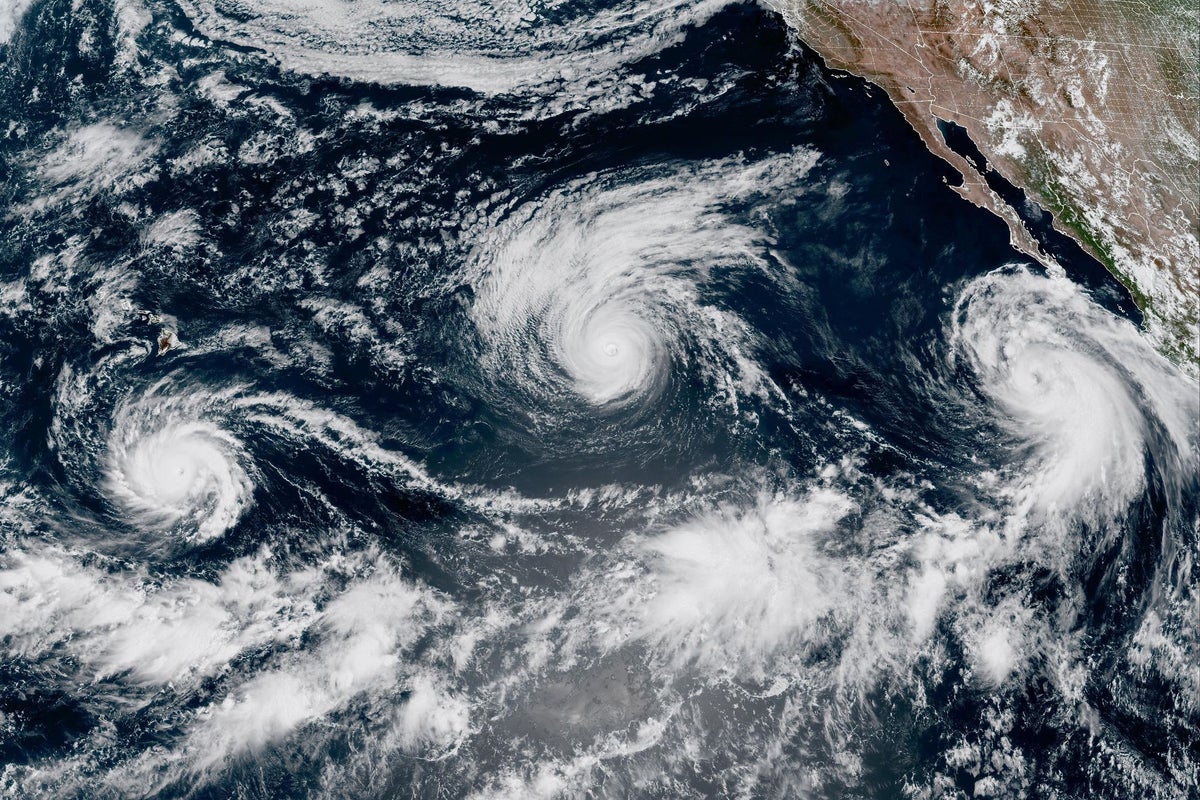
You normally do not see four active tropical cyclones churning across the Pacific Ocean simultaneously outside of peak summer storms. Yet satellite imagery recently captured this exact scenario, stretching from Japanese waters all the way across to Hawaii. This strange surge happens because unusual pools of warm water are shifting eastward, creating a breeding ground for storms where calmness usually prevails.
Why does this matter for the United States and global weather watchers? Because El Nino acts like a massive atmospheric steering wheel. When the tropical Pacific heats up this aggressively, the jet stream bends. Winter storms shift southward, California and the southern tier usually get hammered with heavy rains, and the northern states experience unusually warm, dry conditions. When you stack this dynamic on top of long-term background warming from climate change, you get unprecedented conditions that throw historical climate tracking out the window. Further analysis on this trend has been published by TIME.
What Experts Miss About Modern Forecasting
Weather forecasters face a massive blind spot today. Traditional monitoring relied entirely on absolute ocean temperatures. That method is broken now. Oceans are already warmer globally than they were thirty years ago because of cumulative greenhouse gas emissions.
Modern climatologists use a relative index. They subtract the background global warming baseline to see how intense the El Nino actually is on its own terms. By this metric, the current phase is registering anomalies up to 2.3°C above average for this time of year. That degree of heat injection changes everything about how storms form, how long droughts last, and how fast flash floods develop.
Real World Impacts Are Already Unfolding
The consequences are not theoretical projections for some distant decade. They are playing out right now. Indonesia has spent recent weeks battling massive, uncontrollable wildfires fueled by rapidly drying vegetation. South American agricultural belts are bracing for erratic rainfall swings that threaten upcoming harvests, while vulnerable populations across multiple continents face compounding food security risks.
In North America, emergency managers are quietly revising their seasonal preparedness plans. A fast-developing warm phase in the Pacific often spells trouble for winter moisture management, wildfire outlooks for the following spring, and coastal erosion from enhanced storm surges.
How to Prepare for Extreme Seasonal Shifts
You cannot control global ocean temperatures, but you can prepare your home and finances for the erratic weather headed your way.
- Clear your gutters and check your property drainage now if you live in regions prone to sudden heavy winter rainfall.
- Review your insurance policies to make sure flood or storm damage coverage is actually active.
- Keep emergency supplies updated, especially if you live in areas vulnerable to sudden winter storms or unseasonal wildfire threats.
The current climate baseline is gone. We are living through an era of extreme weather amplification, and this anomalous El Nino is just the latest reminder that nature is rewriting the rules on the fly. Pay attention to local alerts, take warnings seriously, and stop assuming past weather history dictates future outcomes.