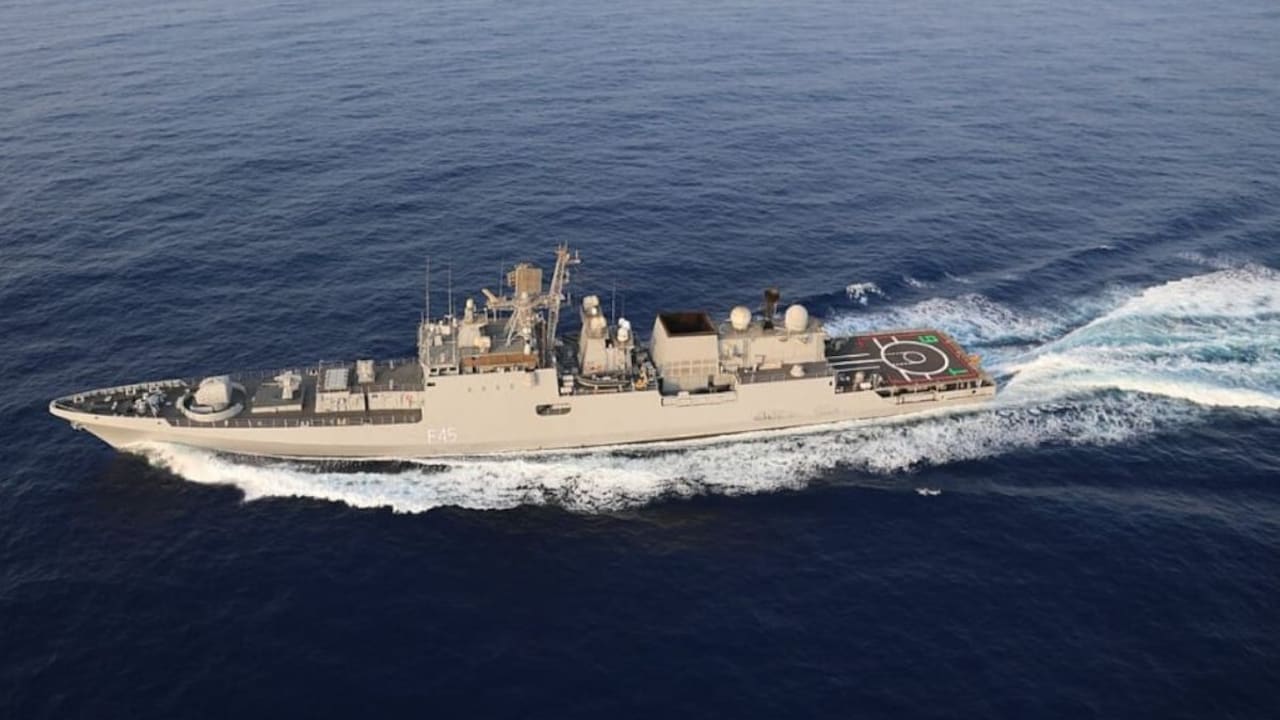
Naval incidents rarely stay quiet for long. When a Pakistani naval vessel and an Indian frontline warship bumped into each other roughly 220 kilometers east of Oman in the North Arabian Sea, New Delhi didn't wait to react. South Block summoned Pakistan's Charge d'Affaires, Saad Ahmad Warraich, for a sharp reprimand.
International waters are vast. Ships crossing paths usually maintain safe tracking distances and follow strict maritime protocols. Yet, an aggressive maneuver in rough seas changed the equation. The Pakistani Hunain-class corvette closed in on the Indian surveillance vessel at high speed, violating established bilateral agreements. While major damage was avoided, the diplomatic fallout started immediately.
What Actually Triggered the Diplomatic Summon
India's Foreign Ministry did not mince words. They called the behavior unprofessional and unsafe. More importantly, they pointed directly to Article 10 of the 1991 bilateral agreement. This pact governs advance notices for military exercises, maneuvers, and troop movements precisely to avoid accidents like this one.
When military units disregard these boundaries, tensions flare instantly. The Pakistani diplomat spent roughly thirty minutes at the ministry's Janpath office hearing the formal grievance. Simultaneously, India instructed its own envoy in Islamabad to lodge an identical protest with Pakistan's Ministry of Foreign Affairs.
Understanding the Arabian Sea Friction
People often wonder how two modern warships manage to collide in the open ocean. Rough seas play a role, but human error and aggressive posturing matter more. Navies conduct routine surveillance missions across the North Arabian Sea constantly. Trade routes cross these exact waters.
When a warship moves erratically or refuses to yield right-of-way according to international regulations, safety margins vanish. Sources indicate the Pakistani vessel came in hot, displaying an intimidatory posture that failed basic seamanship tests.
This isn't an entirely new script. Back in June 2011, a similar dangerous encounter happened between the Pakistani Navy's Babur and the Indian warship INS Godavari. History repeats itself when protocols get ignored or pushed to the limit.
Why Bilateral Pacts Keep Getting Tested
Agreements only work when both sides respect the fine print. The 1991 pact exists to prevent misunderstandings during close-quarter encounters. High-speed approaches in choppy waters throw safety out the window.
When military vessels play chicken, minor miscalculations turn into international incidents. New Delhi's swift move to summon the top envoy sends a clear message. Rules on paper need to translate to predictable behavior at sea.
Expect diplomatic channels to handle the immediate aftermath, but military planners on both sides will review their rules of engagement. Keep your eyes on maritime tracking reports if you want to see how naval patrols adjust their spacing in the Arabian Sea moving forward.