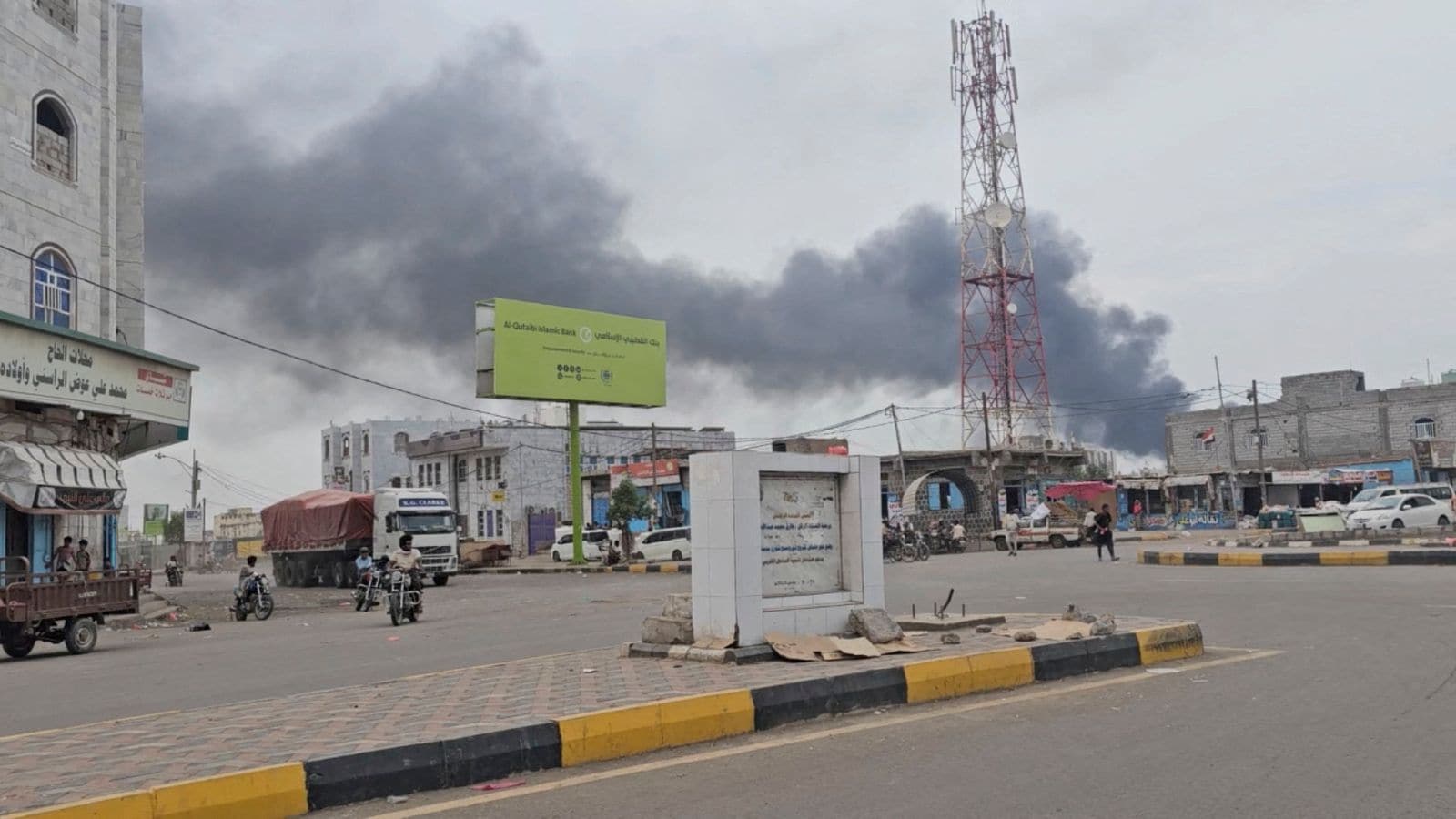
The headlines are buzzing again. Yemen’s Houthi group claimed they took out a Saudi military landing ship and several escort boats off the coast of Mocha just this past Monday. It’s a bold claim, one that signals a sharp spike in regional instability. But if you're looking past the soundbites, you’ll see this isn't just about a single skirmish at sea. It’s a direct challenge to the status quo in the Red Sea.
The Reality on the Water
Houthi military spokesperson Yahya Saree didn’t mince words. He described the strike as "direct and precise," claiming the Saudi vessel caught fire while the smaller escort boats were either sunk or set ablaze.
Let's be clear about what’s happening here. Mocha isn't just another port city. It sits near the Bab al-Mandab Strait, one of the world's most critical maritime chokepoints. When you see combat near this strait, you aren't just looking at a local Yemeni conflict. You are looking at a potential disruption to global energy and trade flows.
The Houthis are framing this as part of a "siege for siege" strategy. They argue that since they face a blockade, they’re entitled to impose one on Saudi-linked forces. Riyadh hasn't officially confirmed the damage, which is standard for military operations where the specifics are often kept under wraps to maintain strategic ambiguity.
Why Mocha Is the New Flashpoint
If you have been following the situation in Yemen, you know that the 2022 truce, which kept things relatively quiet for a long time, is effectively on life support. Since August 9, Mocha has faced a barrage of missiles and drones.
We aren't talking about stray fire. Local port authorities estimate damages north of $16 million. Port operations have basically ground to a halt. This isn't just about ships; it’s about the 1,300 workers who just lost their livelihoods overnight.
When you see reports of "military gatherings" being targeted, remember that there’s a human and economic cost. The government-aligned forces are hitting back, too. They’ve launched hundreds of operations in the last 24 hours alone, using artillery and drones to target Houthi positions. It’s a tit-for-tat escalation that shows no sign of slowing down.
Understanding the Strategic Context
Why are they doing this now? The Houthis aren't acting in a vacuum. Regional tensions are at a boiling point. The group has integrated itself into a larger, multi-front conflict, and their maritime strikes are a way to project power far beyond their borders.
Some people think these attacks are purely impulsive. They aren't. Every move near the Red Sea is calculated to pressure Saudi Arabia and its allies. By targeting vessels near the Bab al-Mandab, they are effectively holding a key piece of the global economy hostage.
What You Need to Know About the Escalation
- Tactics: The shift toward ballistic missiles and drones against moving naval targets indicates a higher level of technical capability than we’ve seen in earlier years.
- Geography: Mocha’s proximity to the Bab al-Mandab means that any localized fighting quickly turns into an international security headache.
- The Human Cost: Beyond the ships and the weapons depots, you have civilians caught in the crossfire at ports that are vital for food and fuel imports.
Moving Beyond the Noise
If you’re trying to make sense of this, stop looking for a quick resolution. This is a messy, protracted conflict. The government forces are doubling down on counter-offensives, and the Houthis seem committed to their "siege for siege" policy.
If you want to track where this goes next, keep an eye on these two things:
- Shipping Insurance Premiums: If insurers start jacking up rates for vessels passing near the Bab al-Mandab, you know the economic impact is real.
- Backchannel Negotiations: Look for signs that the U.N. or other mediators are trying to revive the 2022 truce terms. Right now, both sides seem to think they can win on the battlefield, which makes talk of peace pretty thin on the ground.
The situation remains volatile. Don't expect things to stabilize until one side is forced to reconsider its military posture. Until then, Mocha stays at the center of the storm.