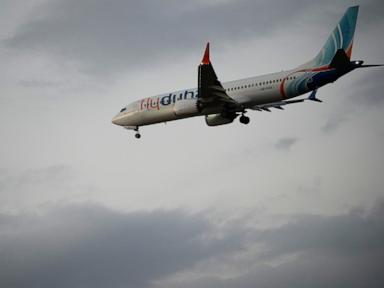
Planes don't usually drop 14,000 feet in thirty seconds because of bad weather. When a FlyDubai flight heading from Dubai to Tel Aviv suddenly plummeted, passengers didn't experience turbulence. They experienced a cockpit nightmare. An unhinged co-pilot allegedly attacked Captain Smit Machchhar with a knife, setting off a frantic mid-air battle for survival that nearly ended in absolute disaster.
If you've followed the headlines, you know the broad strokes. But the real story isn't just about a violent attack at 30,000 feet. It's about the split-second decisions made by ordinary people and off-duty professionals who happened to be sitting in economy and business class.
Here is what actually went down, who stepped in, and why aviation security experts are taking a hard look at how commercial airlines handle cockpit access and crew vetting.
The Terror Inside Cabin FZ1073
Air travel feels routine until it isn't. You buckle your seatbelt, scroll through a movie, and trust strangers with your life. On this particular route, that trust was violently shattered when the co-pilot turned on the captain.
According to reports and passenger accounts, Captain Machchhar suffered multiple stab wounds. As the aircraft plunged violently—tearing part of its rudder away from the extreme aerodynamic stress—panic swept through the cabin. Screaming passengers were thrown against overhead bins and seats.
For a brief, terrifying window, nobody seemed to be flying the plane. The co-pilot was allegedly attempting to drive the aircraft straight down into the earth.
Bleeding heavily and fighting for consciousness, Captain Machchhar managed a monumental act of survival. He reached the cockpit door button, unlocking it just enough to let help in. That single movement saved 182 lives.
Who Were the Mystery Men Who Stepped Up?
When the cockpit door popped open, chaos met courage. Passengers didn't freeze. They swarmed the flight deck, tackling the attacker and pulling him away from the controls. But subduing a rogue crew member is only half the battle. Who flies a commercial jet when both primary flight crew members are incapacitated or injured?
As it turned out, fortune favored Flight FZ1073 in the most unexpected way. Off-duty pilots traveling as commercial passengers were sitting rows away.
When the scrum cleared and the attacker was dragged out, these off-duty aviators—reportedly including backup FlyDubai pilots and other credentialed professionals—did not hesitate. One of them practically vaulted over the chaos to seize the yoke.
For roughly ten agonizing minutes, these anonymous professionals fought to stabilize a crippled aircraft. Part of the plane's structural integrity was compromised. The descent had been so violent that instruments were throwing warning codes.
Passenger Daniel Schlichter later recounted the tense aftermath in interviews. Once the backup pilots locked themselves inside the cockpit with the door sealed, radio silence followed for a long stretch. Passengers sat in terror, wondering if they had just traded one nightmare for another. Could these new pilots be trusted? Were they being hijacked toward an unfriendly airspace?
For forty-five minutes, nobody in the cabin knew their fate. Then came the announcement over the intercom: they were diverting to Tabuk, Saudi Arabia, and everyone was going to make it.
The plane touched down safely. Saudi authorities took the attacker into custody. The injured crew members received immediate medical treatment, and passengers eventually boarded a replacement flight to Ben Gurion Airport in Tel Aviv.
Why This Incident Changes Everything About Aviation Security
We like to think commercial aviation is airtight. Cockpit doors are armored, reinforced with heavy-duty bolts and video surveillance systems designed to keep unauthorized people out.
Yet this incident exposes a terrifying loophole in modern aviation security. You can't lock out the person sitting in the right seat.
Airlines spend millions screening passengers, but psychological evaluations and background checks for pilots often rely on self-reporting or sporadic check-ups. When a pilot or co-pilot snaps mid-flight, the traditional security model collapses inward. The armored door, built to keep threats out, suddenly acts as a prison wall keeping rescuers away.
Pilots' unions and security analysts are now asking uncomfortable questions. How do you vet against sudden psychological breaks? Should cockpit access override codes be redesigned so that multiple crew members or automated ground systems can intervene if a pilot goes rogue?
Right now, airlines are playing down the systemic risk, labeling it an isolated medical or psychological anomaly. But frequent flyers know better. When an airline ticket becomes a lottery ticket for survival, passenger complacency dies.
What You Should Do Next Time You Board a Flight
You can't control what happens in the flight deck. You can't vet the crew sitting up front. But you can change how you approach air travel.
Stop sleeping through takeoff and landing. Pay attention to the safety briefing, even if you've heard it a hundred times. Know where the emergency exits are, and more importantly, stay mentally present.
The heroes on Flight FZ1073 weren't superhumans. They were fathers, travelers, and off-duty professionals who refused to sit passively while disaster unfolded. When seconds counted, they acted. Keep your eyes open, trust your instincts, and never assume someone else will handle the unthinkable.