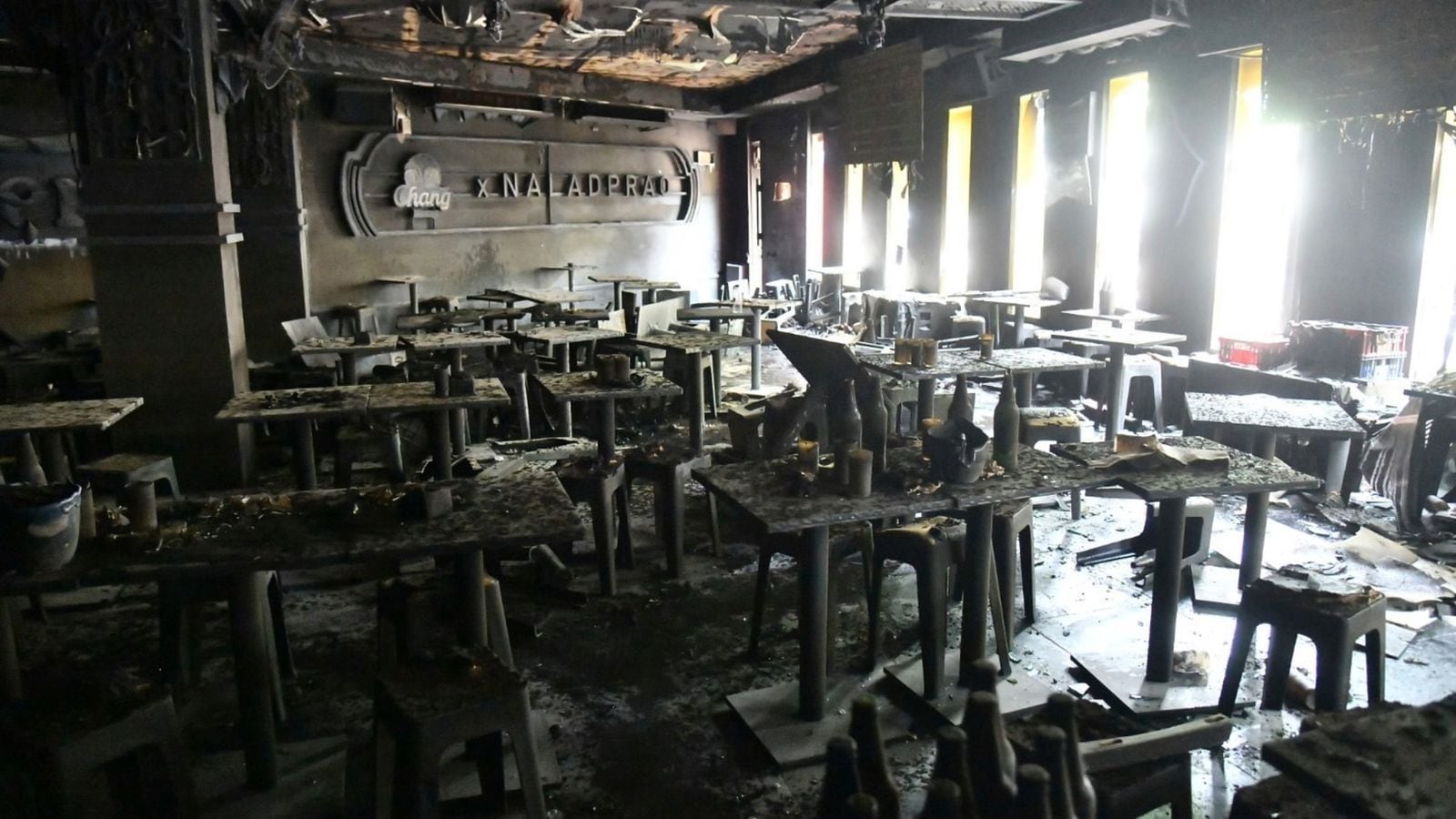
A crowded venue. A sudden blackout. A frantic rush for the doors in absolute darkness. What happened at the Rong Beer Na Ladprao music bar in northern Bangkok isn't just a horrific tragedy. It's a damning indictment of systemic negligence that we've seen play out too many times before. The fire, which tore through the venue, has claimed 30 lives and left dozens more fighting for survival in hospital wards across the city. It stands as the capital's deadliest blaze in 17 years.
When you look at the raw facts, it becomes painfully clear that these deaths weren't an unavoidable accident. They were the direct result of corner-cutting, terrible venue design, and a shocking disregard for human life. We need to look past the surface headlines and analyze exactly why this venue became a death trap.
The Deadly Anatomy of the Rong Beer Na Ladprao Inferno
The nightmare began just after midnight when the popular live music venue was packed to the brim. Witnesses and performing musicians reported seeing smoke pouring from a circuit breaker near the main stage right before the entire building lost power. Then came a loud explosion. Within seconds, thick, toxic black smoke filled the single-story building.
Firefighters managed to bring the main flames under control in about thirty minutes. That sounds fast. But in a crowded space filled with toxic materials, thirty minutes is an eternity.
Most of the victims didn't actually die from severe burns. They died because they couldn't breathe. Bangkok Governor Chadchart Sittipunt confirmed that smoke inhalation was the primary killer. When the lights failed, panic took over. Patrons scrambled over tables and chairs in pitch-black conditions, unable to find their way out while the air turned into poison.
The Cheap Decor That Turned Air into Poison
Amorn Pimanmas, the president of the Thailand Structural Engineers Association, raised immediate red flags about the building's interior construction. The bar featured incredibly low ceilings and was completely enclosed with minimal ventilation. To make matters worse, management used cheap, highly flammable soundproofing foam across the walls and ceiling without any sort of flame-retardant treatment.
When the electrical short circuit caught fire in the ceiling, this foam acted like solid gasoline. It didn't just burn. It melted and dripped down on the crowd while releasing highly concentrated hydrogen cyanide and carbon monoxide gases. A few breaths of that cocktail will knock a person unconscious. This explains why rescuers found so many victims collapsed in heaps rather than clustered directly at the main entrance.
Profit Over Safety and the Crime of Bolted Exits
The most infuriating detail of this disaster lies in how the exits were managed. National Police Chief Kittharath Punpetch noted that a staggering number of the deceased were discovered inside windowless bathrooms near the back of the bar. They didn't go there by choice. They fled toward what they thought was an escape route, only to find themselves trapped in a brick-and-mortar dead end.
Why couldn't they use the actual emergency exits? The investigation revealed a series of mind-boggling failures:
- One critical rear exit door was completely bolted from the outside. During an official inspection, Prime Minister Anutin Charnvirakul was told the owner intentionally locked it because they were terrified customers would slip out of the bar without paying their food and drink bills.
- Another exit pathway near the kitchen was heavily obstructed by lockers, heavy shelving units, and storage crates, narrowing the escape route to a crawl space.
- Even the main floor layout was a hazard, featuring a large table set up right in the middle of a major thoroughfare just to sell candy, which tripped people up in the dark.
Locking emergency exits to prevent "dining and dashing" is a blatant criminal act. It turns a business into a cage. When the fire broke out, those hidden or blocked doors meant the hundreds of people inside were funneled toward a single bottleneck at the front door. Those who got out had to literally run through a wall of fire, leaving many with life-altering burns.
The Regulatory Loophole That Keeps Killing People
If this story sounds familiar, that's because it keeps happening in Thailand. In 2009, the Santika Club fire in Bangkok killed 67 people during a New Year's celebration. In 2022, the Mountain B nightclub fire in Chonburi killed 26 people under almost identical circumstances: flammable soundproofing foam, blocked doors, and faulty wiring.
How do these owners keep getting away with it? It comes down to a massive legal loophole.
The Rong Beer Na Ladprao venue operated outside the city's designated entertainment zones. Because of this, it wasn't licensed as a nightclub or entertainment venue. Instead, the owners registered it as a standard restaurant that happened to feature live music.
This simple paperwork trick allowed the venue to bypass the incredibly strict fire code requirements meant for nightclubs. They didn't have to install commercial-grade sprinkler systems, illuminated floor-level exit signs, or multiple wide-open crash bars on their doors. Law enforcement turned a blind eye to the fact that a "restaurant" was regularly packing in up to 600 patrons into a dark, loud box every weekend.
Survival Steps for Nightlife Patrons
You can't rely blindly on building owners or local inspectors to keep you safe. The next time you walk into a crowded bar, pub, or concert venue anywhere in the world, you need to take your safety into your own hands immediately.
Spot the Red Flags Instantly
Take a look at the ceiling the moment you buy your first drink. If you see exposed foam panels, cheap egg-carton style padding, or DIY electrical wiring hanging near the stage decorations, leave. It's a fire trap waiting for a spark.
Map Your Escape Options
Never assume the front door is your only way out. Walk around the venue and physically locate at least two alternative exits. Push on the doors to verify they aren't locked, chained, or hidden behind heavy velvet curtains or storage boxes.
Count the Steps in Reverse
If a fire breaks out, the power will likely fail instantly, leaving you in total darkness and blinding smoke. Mentally count the number of rows or structural pillars between your table and the nearest exit so you can grope your way out by touch if you lose visibility.
Drop and Move Fast
Smoke rises rapidly and carries lethal toxins. If you spot fire or smell burning plastic, don't stop to grab your jacket, your drinks, or your phone. Cover your mouth, drop as low to the ground as possible where the air is cleaner, and move toward your pre-planned exit immediately.
What Needs to Change Right Now
Bangkok Governor Chadchart has ordered a massive, city-wide safety sweep of all similar nightlife spots. But temporary crackdowns after a high-profile tragedy won't solve the core issue. The Thai government must eliminate the legal distinction between restaurants with live music and formal entertainment venues when it comes to basic fire safety structures. If a venue operates with a stage, loud crowds, and dark rooms, it must be bound by the highest tier of fire safety laws.
Run a zero-tolerance policy on blocked exits. Any business found with a locked or blocked emergency exit door should face immediate closure and heavy criminal charges for the managers involved. A business owner's fear of a lost bar tab should never be worth more than the lives of the people inside.