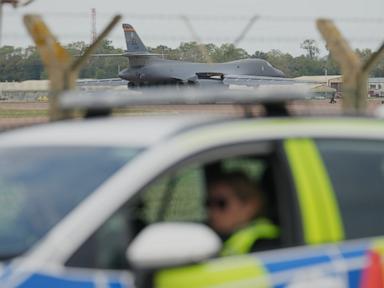
Counterterrorism operations rarely stop at the initial sweep. British authorities just booked a 22-year-old man in central London, bringing the total number of arrests tied to the September security scare at RAF Fairford to seven.
If you've been following the fallout from the Cotswolds air base incident, you know the initial sweep happened on September 27. Armed police and bomb disposal units swarmed the rural Gloucestershire perimeter. They cordoned off the area, evacuated dozens of local households, and seized three vans loaded with gasoline. No actual explosives turned up inside those vehicles, but the intent was clear enough to trigger an immediate national security response.
Now, weeks later, the net is still widening. The latest suspect, a British national detained in Westminster, faces allegations of preparing terrorist acts. This ongoing dragnet tells us something important about how modern counterterrorism investigations function. Initial raids net the boots on the ground, but digital footprints, financial trails, and communications data take time to unpack.
Why RAF Fairford Became a Flashpoint
To understand why this security incident drew such intense scrutiny, you have to look at the base's recent operational profile. RAF Fairford isn't just a quiet British military outpost. It serves as a vital forward operating location for U.S. Air Force Global Strike Command.
Over recent months, American B-52 and B-1 bombers have utilized the base's long runway to launch strategic strikes against Iranian missile sites and military assets. That operational reality shifted Fairford into a high-value target.
Prime Minister Andy Burnham previously pointed to strong indications that Iran played a role in orchestrating the threat. While Tehran has denied direct involvement, Iranian officials have repeatedly maintained that any foreign military installation used to launch attacks against their territory is considered a legitimate target.
The threat level around these installations remains high. Following the late-September arrests, the U.S. military quietly relocated its heavy bombers away from Fairford. Washington officials noted that when specific threats emerge, moving high-value assets is the safest baseline defense.
Breaking Down the Case Details
The investigation started with five men in their 20s detained near the perimeter, followed by a 25-year-old British-Iranian man. Those six suspects were subsequently released on bail while police continued gathering evidence.
Here is what public records and police statements confirm about the operational timeline:
- September 27: Five men detained in Whelford near the RAF Fairford perimeter; 85 local households evacuated.
- Immediate Follow-up: Army bomb disposal units inspect three vans, recovering quantities of gasoline (accelerants) but no active explosive devices.
- Early October: Six initial suspects released on bail under ongoing investigation.
- October 6: Counter Terrorism Policing detains a 22-year-old British national in Westminster on suspicion of preparing terrorist acts.
Senior national coordinator for counterterrorism policing Vicki Evans noted that detectives are actively pursuing multiple lines of inquiry. They aren't closing the book yet.
What Happens Next in Counterterrorism Strategy
When you see a string of arrests stretching weeks after an initial incident, expect digital forensics to be driving the progress. Investigators are likely sifting through seized mobile phones, encrypted messaging apps, and financial records to map out how these suspects connected with external handlers or ideological networks.
If you're tracking international security developments, watch for how allied intelligence agencies share threat metrics regarding foreign-state-backed sabotage plots on domestic soil. The reliance on proxy operatives using basic materials like vehicle accelerants points to a low-cost, high-disruption tactic that security forces are actively scrambling to neutralize before operational phases begin.
Keep an eye on upcoming court appearances and bail review dates for the seven individuals currently tied to the case. Those legal proceedings will likely reveal the exact communication links between the suspects and any overseas handlers.