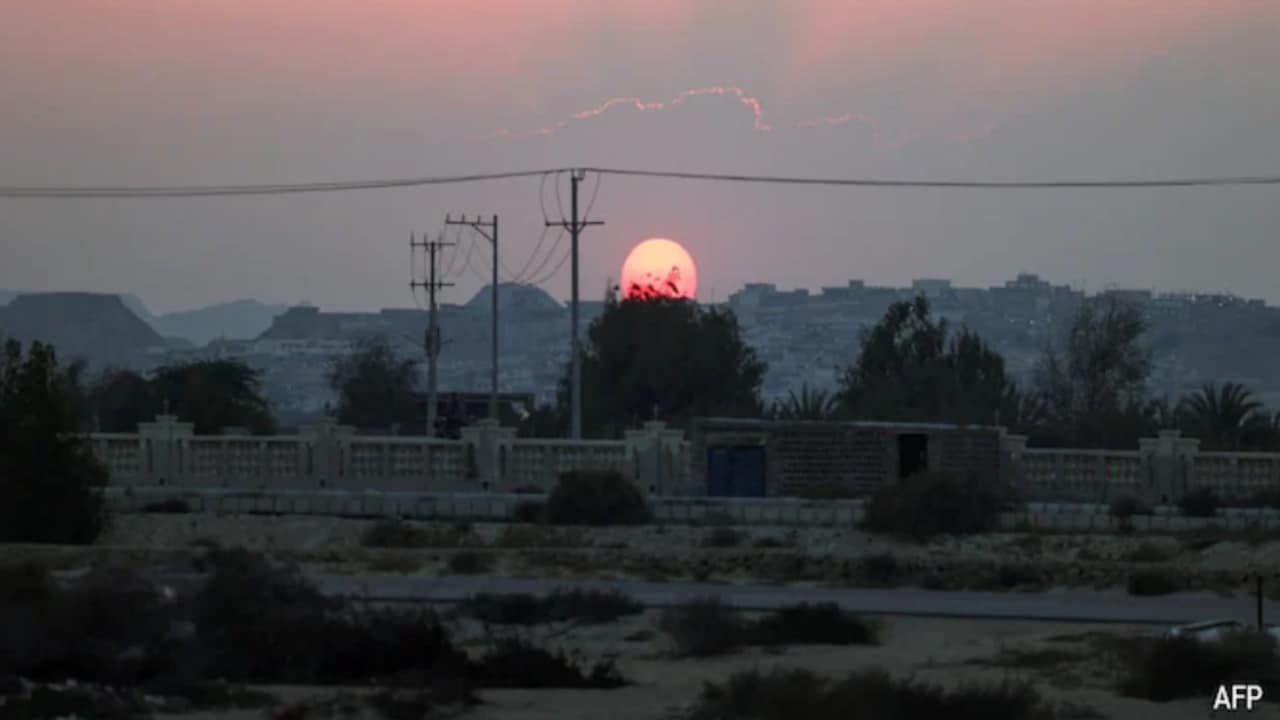
You wake up, check your phone, and see a breaking headline about loud booms echoing across a sensitive geopolitical flashpoint. That is exactly what happened when several sudden explosions shook Iran's Qeshm Island, leaving regional observers scrambling for details. Reports from the official IRNA news agency, citing local sources, indicated that the mysterious sounds seemed to originate from the direction of the sea.
If you are trying to make sense of what these blasts actually mean, you need to look past the surface-level panic. Most mainstream summaries just repeat the basic wire copy without context. Let's break down what is happening, why this location matters, and what you should actually watch next.
Understanding the Strategic Weight of Qeshm Island
Geography changes everything. Qeshm isn't just some random tourist getaway. It is the largest island in the Persian Gulf, sitting right at the mouth of the Strait of Hormuz.
Think about that placement for a second. A massive percentage of the world's petroleum passes through these narrow waters. When explosions are reported off the coast of Qeshm, military analysts don't shrug it off. They look at maps of shipping lanes, naval choke points, and radar installations.
Local sources told state media that the sounds came from the sea. That detail narrows down the possibilities, but it also creates more questions. Was it a military drill? Was it an offshore incident? Or does it point to something far more volatile brewing in regional waters? Official channels often keep initial reporting sparse to avoid panic or manage information flow. You have to read between the lines.
Why Initial Reports Are Usually Messy
Let us be completely honest about how breaking news works. When an explosion happens in a restricted or sensitive security zone, accurate data takes hours—sometimes days—to emerge.
Initial reports rely heavily on scattered eyewitness accounts, unverified local chatter, and official state releases that serve specific messaging goals. When IRNA reported the sounds coming from the sea, it gave people a directional anchor, but it didn't explain the cause.
Here is a quick checklist of why early reports on maritime blasts are notoriously unreliable:
- Local residents hear acoustic shockwaves miles away, making the exact point of origin hard to pinpoint.
- Military authorities rarely comment immediately on security anomalies.
- State-run media often vet details carefully before releasing confirmation, leading to delayed updates.
- Independent verification inside heavily monitored regions is tough.
You shouldn't jump to catastrophic conclusions every time a loud noise echoes across the Persian Gulf. At the same time, ignoring these maritime anomalies is a mistake.
The Wider Context of Gulf Tensions
You cannot separate the Qeshm Island explosions from the broader backdrop of ongoing friction in the Middle East. Tensions involving regional actors, international shipping security, and constant military posturing create an environment where every loud bang feels like a trigger.
Recent years have seen repeated friction points across Gulf waters. From tanker seizures to electronic warfare and drone activity, the Strait of Hormuz remains one of the most heavily watched bodies of water on earth. When an unexplained event happens near Qeshm, it hits a raw nerve because the margin for error in these waters is virtually zero.
If you want to track how this situation evolves, stop refreshing breaking news feeds every five minutes. Instead, watch for official statements from maritime security agencies tracking vessel traffic, insurance risk adjustments for ships entering the Persian Gulf, and changes in regional air defense readiness. Those concrete indicators tell you the real story long before cable news pundits figure out what is going on.


