A tanker sails through choppy waters, broadcasting signals that say it's an ordinary fishing vessel, while a smaller ship nearby mimics the profile of a massive oil carrier. This cat-and-mouse game plays out daily across global maritime lanes. Vladimir Putin's shadow fleet isn't just surviving international pressure; it's actively wearing disguises to outmaneuver Western enforcement.
If you've watched headlines about the English Channel interception, you know Western governments are trying to clamp down. But stopping a ghost ship is much harder than politicians admit.
The Mechanics of Maritime Deception
Let's look at how these vessels operate. Russia relies on a massive, aging armada of oil tankers to bypass the G7 price cap on crude oil exports. To keep funds flowing for the war in Ukraine, these ship owners throw out rulebooks entirely. They use fake names, switch ownership papers overnight, and sail under false flags.
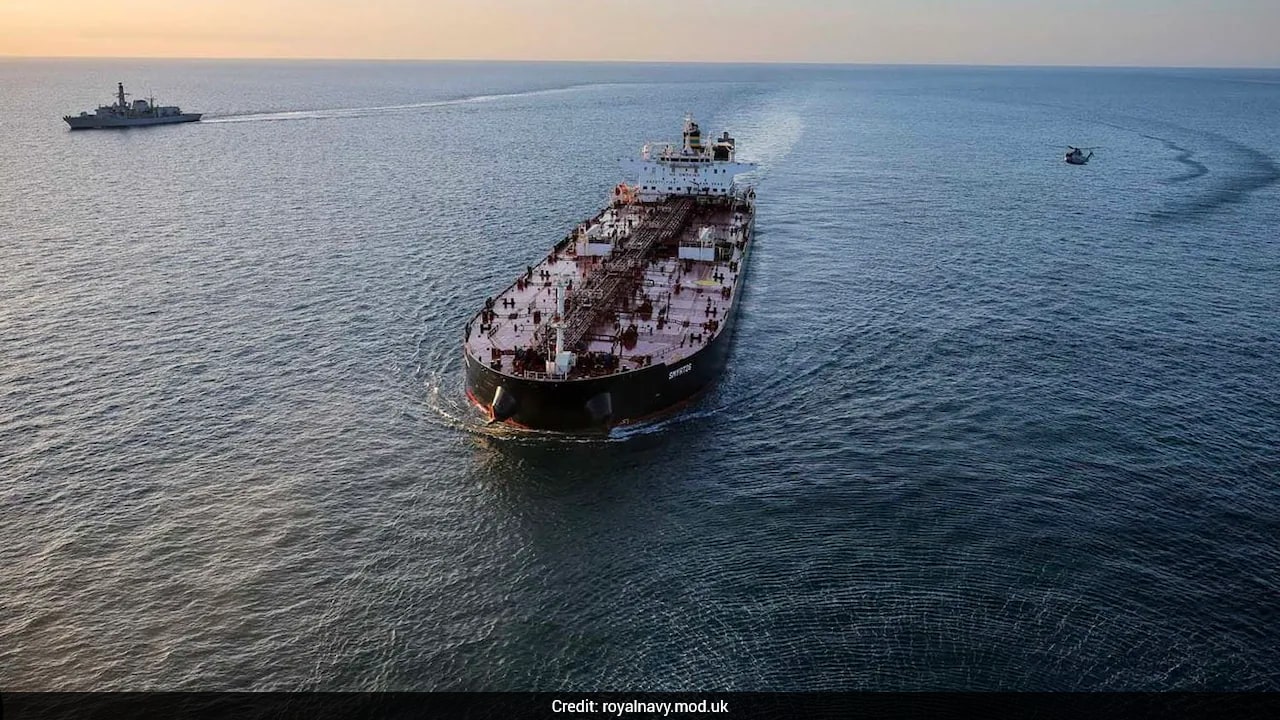
Take the oil tanker Smyrtos. British commandos fast-roped from a helicopter into the English Channel to board and seize it. Why? Because the ship was sailing under a false Cameroonian flag while hauling sanctioned cargo. It's a classic shell game. When one flag state catches on and revokes registration, the operators simply buy credentials from another lax or corrupt jurisdiction, or turn off their Automatic Identification System (AIS) transponders altogether.
Why the English Channel Became a Choke Point
Before British military actions turned up the heat, tankers carrying Russian oil routinely cut straight through the narrow English Channel. It was the fastest route from Baltic ports out to buyers in Asia and Africa.
That calculus changed overnight. Following high-profile operations by the UK military, shipping companies realized the Channel was a hostile gauntlet. Data from researchers at the Royal United Services Institute shows a massive shift. Instead of cutting through British waters, dozens of shadow fleet tankers started veering north, sailing around the perilous tip of Scotland instead.
Longer routes mean higher fuel costs and slower delivery times. Yet, operators gladly burn extra fuel to avoid getting boarded by Royal Marines.
The Danger Beneath the Surface
Beyond the geopolitics of sanctions evasion, this underground shipping network is a ticking environmental and safety disaster. Many shadow fleet vessels are past their prime, lack proper maintenance, and carry zero credible insurance. If an aging, uninspected tanker leaks millions of gallons of crude oil off the coast of Europe, who pays for the cleanup? Nobody. The shell companies vanish into thin air.
Intelligence reports point to even darker risks. Some vessels within these covert networks have been suspected of carrying private military personnel or operating near critical undersea infrastructure like communication cables. They aren't just moving oil; they're operating as floating grey-zone assets.
What Happens Next
Governments are scrambling to find creative ways to police millions of square miles of ocean. Countries like Cameroon are actively trying to shut down fraudulent registrations, but rogue operators just migrate elsewhere.
Russia will keep pushing crude onto these ghost ships because oil remains a primary economic lifeline. As long as the financial incentive outweighs the risk of getting caught, the shadow fleet will keep changing its name, painting over its hull, and hiding in plain sight.