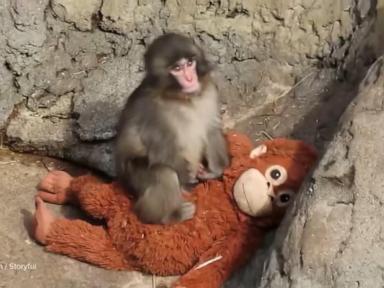
You remember the banner ads. They flashed at you from the edges of every webpage back in the early 2000s, daring you to click and win a prize.
Punch the Monkey wasn't just a silly flash animation. It was a digital marketing wildfire that permanently changed how brands bought attention online. If you spent any time on the web two decades ago, you saw that monkey. You probably clicked it, too. Also making headlines lately: Why People Keep Falling For Whistlindiesel Death Hoaxes.
Let's look at why this specific piece of internet nostalgia deserves a closer spot in our collective memory.
The Birth of Banner Ad Mania
Back in 2000, online advertising was the Wild West. Companies threw money at digital space without knowing what worked. Banner blindness was already setting in. Users simply ignored static rectangles telling them to buy things. Further details regarding the matter are covered by The Hollywood Reporter.
Then came the interactive banner. Developed by MediaPlex for an online client, the concept was brilliantly stupid. A cartoon monkey danced on your screen. A boxing glove waited for your cursor. A flashing text box promised you were the millionth visitor.
It was manipulative. It was annoying. It was wildly effective.
Click-through rates for standard banner ads hovered around a depressing half-percent. Punch the Monkey ads routinely pulled in massive double-digit engagement percentages. People couldn't resist the urge to see what happened when they hit the primate.
The Big Catch Behind the Free Prize
Everyone who clicked learned the hard truth immediately. You never won the digital prize. You never got the free laptop or the cash reward.
Instead, the ad redirected you to a cluttered landing page filled with credit card offers, ringtone downloads, or sketchy subscription services. It was the grandfather of modern clickbait and dark patterns.
Web designers realized a dark truth early on. Frustration drives action. Curiosity keeps people clicking even when logic tells them it's a trap.
We laugh about it now, but this exact psychological loop paved the way for modern mobile game ads. You know the ones. They show someone failing an impossibly simple puzzle just to make you rage-click the download button. The DNA of Punch the Monkey lives on every smartphone today.
Why Brands Loved the Chaos
Marketers didn't care about user goodwill in the dot-com era. They cared about metrics that made spreadsheets look green.
Impressions were cheap. Clicks were currency. The monkey delivered clicks by the millions.
- Low production costs made the ads easy to spin up.
- Universal recognition created instant brand recall.
- High engagement stats kept venture capital flowing into web agencies.
Companies like WildTangent and various early ad networks scaled their entire business models on this exact style of intrusive interactivity. It proved that attention could be bought cheaply if you triggered enough primal curiosity.
The Death of Flash and the End of an Era
Eventually, the internet grew up. Browsers built pop-up blockers. Users learned to spot scams instantly.
Adobe Flash, the underlying technology that powered these animated nightmares, security vulnerabilities and all, finally met its end. Apple refused to support it on iPhones. Major browsers pulled the plug completely by 2020.
Punch the Monkey vanished from active web pages. It retreated into archive sites and nostalgic Twitter threads.
You can't find the original interactive ads running in the wild anymore. They live on only in web history museums and the fading memories of anyone who browsed the web before social media took over.
What Modern Marketers Can Learn Today
We think digital advertising is sophisticated now with AI targeting and programmatic bidding. Yet, the core human triggers haven't changed at all.
People still fall for the exact same traps dressed up in high-definition video formats. We want quick wins. We chase novelty. We click things we know are probably bad ideas just to satisfy a fleeting urge.
The next time you catch yourself staring at a ridiculous, unbelievable ad on your feed, remember the monkey. The tools got shinier, but the game stayed identical.
Stop getting tricked by the flash. Pay attention to the mechanics behind the screen.
Close the tab. Move on.