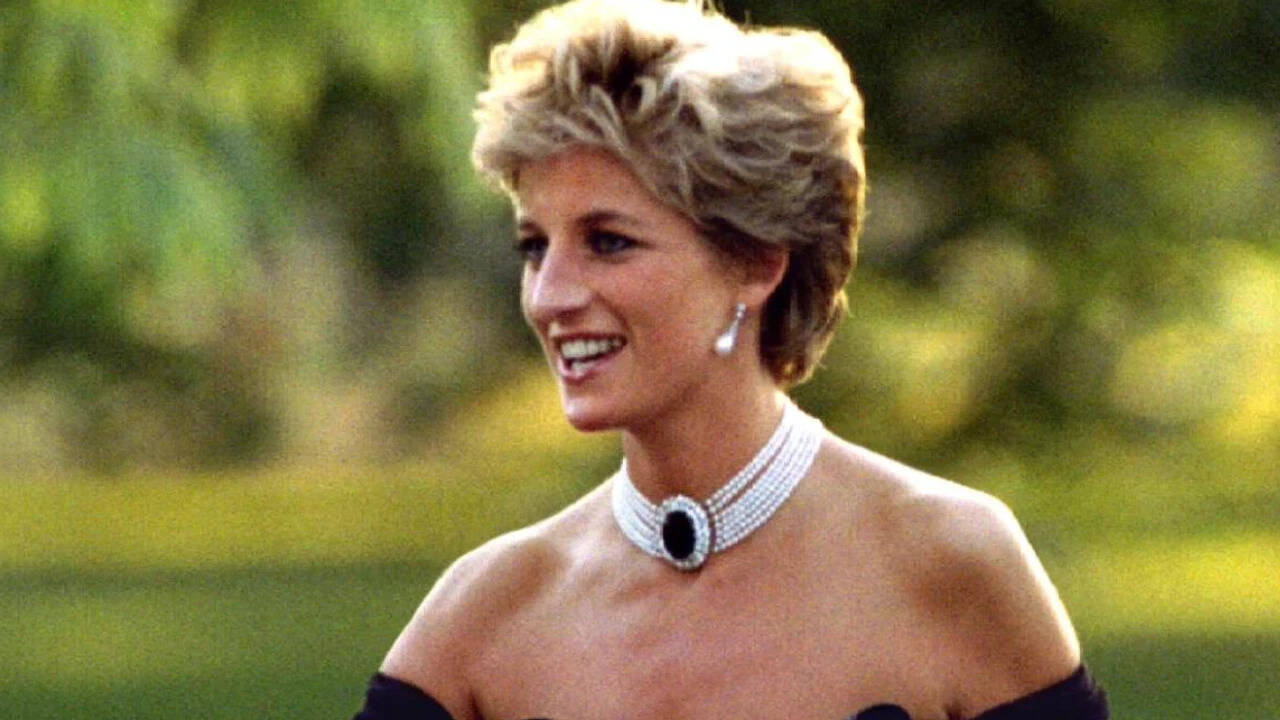
Nearly three decades after a Paris tunnel swallowed her life, Princess Diana refuses to stay buried. We keep digging her up, stuffing her ghost into new costumes, and making her say whatever we need to hear right now.
Every few years, a fresh memoir, a streaming series, or a viral archive video drags her back into the cultural cycle. Charles Spencer drops a book like Swan Song: Diana, My Sister, reigniting tired arguments about palace doors and walking behind coffins. Royal aides dispute the timeline. Booksellers stack paper copies. The public laps it up. If you liked this post, you should look at: this related article.
Why do we do this?
Because Diana isn't a historical figure anymore. She's a blank canvas. For another look on this development, see the latest update from Reuters.
When she was alive, the media hunted her until her car hit a pillar in 1997. In death, we became the paparazzi. We hunt for hidden meanings in her childhood photographs, project our marital grievances onto her doomed marriage to Charles, and turn her wardrobe choices into coded political messages.
Think about how her image shifts across borders. In parts of South Asia, she morphed into an idealized daughter-in-law fighting rigid family structures, earning colloquial titles and imaginary kingdoms in the minds of readers. To a generation of young women on TikTok and Instagram, she's a mental health advocate, a fashion icon, and an anti-establishment rebel all wrapped into one.
None of these versions entirely fit the actual woman. They fit us.
Author Edward White once called her a cultural "cut-and-shut"—a welded vehicle pieced together from wrecked parts of different cars to look whole from a distance. That mechanic's trick defines her legacy. We take the pieces we like—the empathy for AIDS patients, the broken smile outside St Paul's, the revenge dress—and glue them together to build the Diana we want to worship.
The real Diana was complicated, sharp, deeply flawed, and trapped inside an archaic machine that chewed her up. By reducing her to an eternal martyr or a mystical archetype, we strip away her agency. We turn a complex human being into a safe myth.
Stop treating her memory like a mirror for your own life choices. She was a person, not a patron saint of modern therapy culture.
Leave the ghost alone. Let her rest.