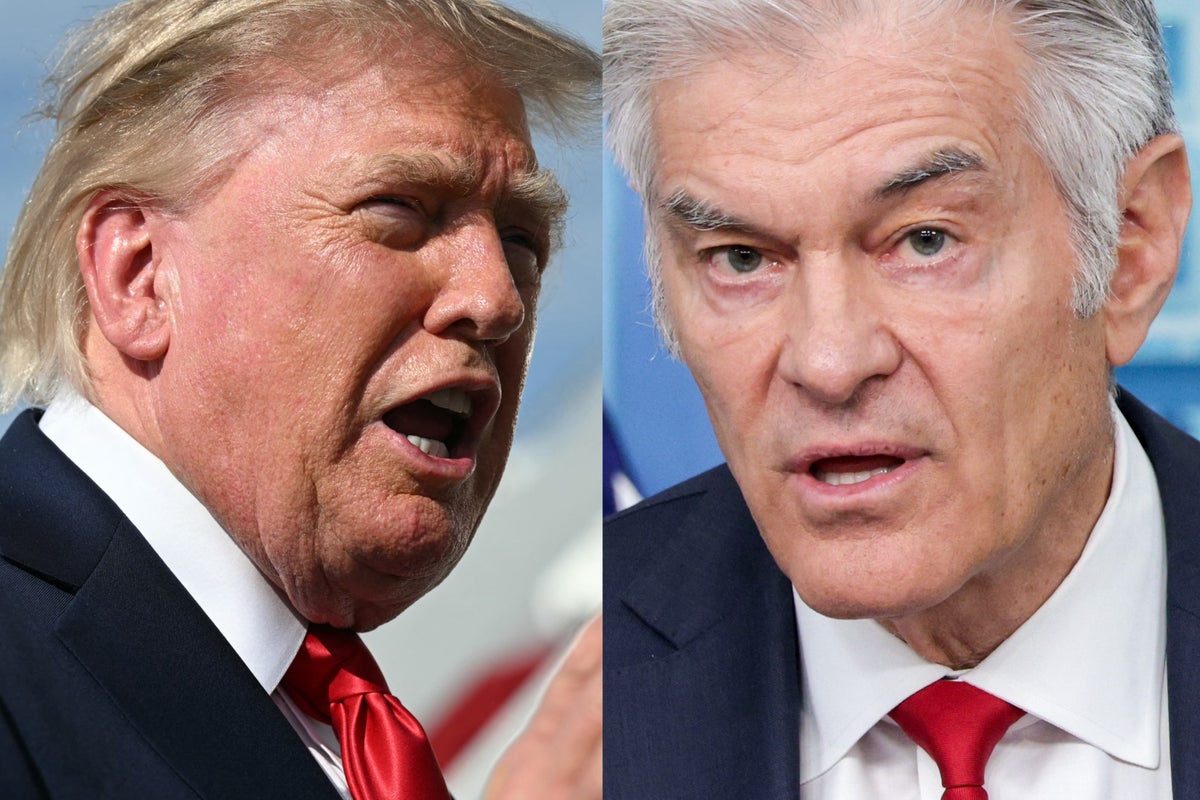
We spend millions on motorcades, armored vehicles, and armed details to protect the commander-in-chief from external threats. Yet, medical professionals argue we routinely ignore an internal risk staring right back at us from the mirror.
Donald Trump's physical health has once again sparked intense debate among healthcare professionals. With his body mass index hovering right at 29.7—sitting a fraction of a point away from clinical obesity—outside physicians are asking a blunt question. Why aren't we treating presidential wellness with the same tactical urgency as physical security?
The Numbers Behind the Oval Office Scale
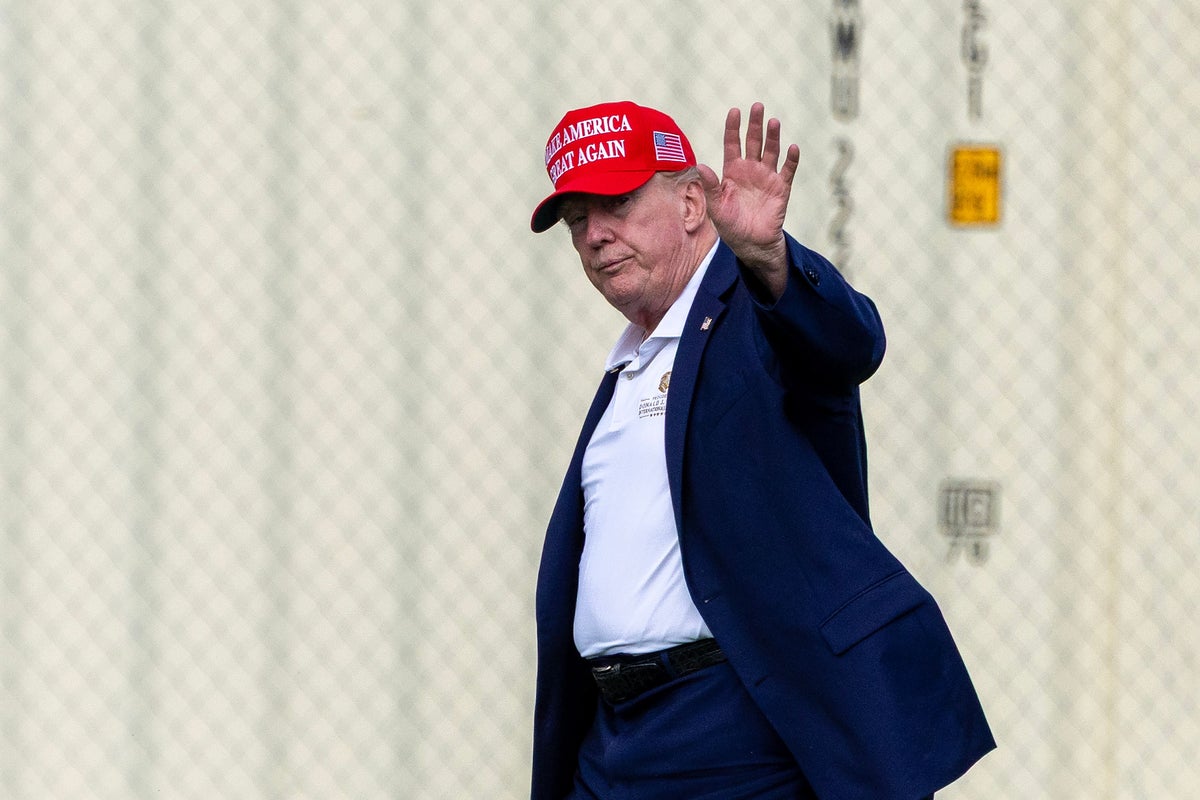
Official medical reports put Trump at 238 pounds on a 6-foot-3-inch frame. While White House physicians routinely clear presidents as fit for duty, independent specialists point out that statistics do not care about political office. Hitting a BMI of 29.7 places an individual squarely at the top end of the overweight category.
Cardiologists and internal medicine specialists note that carrying extra weight at age 79 introduces cumulative strain on the cardiovascular system. When you combine that metric with high-stress environments, unpredictable sleep schedules, and a well-documented fondness for fast food, the math changes. Security details protect against assassins, but they cannot lower blood pressure or clear blocked arteries.
Why Medical Transparency Matters to the Public
Critics argue that a president's personal health is nobody's business. That perspective misses the broader reality of modern governance.
When a leader's health fluctuates, the stability of global markets and geopolitical negotiations feels the impact. Look at past precedents. Past administrations have routinely faced public anxiety over hidden diagnoses, hospitalizations, or sudden cognitive strain. Openness prevents panic. When medical reports brush past weight gain or downplay chronic issues like venous insufficiency with brief summaries, it invites public skepticism.
Real transparency means acknowledging physical vulnerabilities before they become crises. Doctors pointing out these risks aren't trying to score political points. They are looking at actuarial tables and physiological stress markers.
Shifting From Reaction to Prevention
Fixing this disconnect requires a complete overhaul of how we view executive wellness. Instead of treating a physical exam as a PR exercise designed to issue a clean bill of health, independent medical boards should have a standardized role in evaluating fitness.
Dietary guidance and lifestyle recommendations tucked away at the bottom of a presidential medical summary are not enough. If physical endurance is genuinely tied to executing the duties of the free world, then metabolic health needs active management, dietary oversight, and transparent accountability.
Protect the office. Protect the leader. Start with what is on the scale.