When a sitting president heads to tribal land, it makes history. Most commanders-in-chief spend their terms steering clear of sovereign indigenous reservations, leaving a glaring void in executive engagement with Native communities. President Donald Trump's scheduled campaign rally at the Choctaw Nation in Durant, Oklahoma, throws open a window on this long-standing diplomatic and political vacuum.
Why do presidential visits to Indian Country happen so infrequently? It's not because Native nations lack political significance. Instead, it highlights a persistent institutional oversight where Washington views tribal sovereignty through a transactional, bureaucratic lens rather than a nation-to-nation diplomatic framework.
Tribal leaders are quick to clarify boundaries when national politics steps onto their sovereign ground. Ahead of the event, Choctaw Nation Chief Gary Batton issued a firm statement noting that the Trump 47 Committee rented their facility just like any private organization would. He emphasized that hosting an event at a tribal venue does not translate to an endorsement from the nation or its elected officials. That distinction matters immensely. It draws a bright line between renting a commercial space and securing genuine political alignment with Native voters.
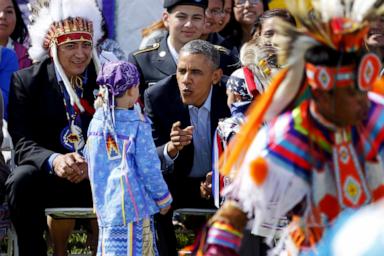
Historically, presidential footprints in Indian Country are vanishingly small. When commanders-in-chief do visit, trips are often calculated for specific optics or regional messaging rather than sustained policy dialogue. Think about past notable stops. Bill Clinton visited the Navajo Nation in 1992, drawing massive crowds and making sweeping promises about self-determination. Barack Obama traveled to the Standing Rock Sioux reservation in 2014, sitting in a circle with youth and elders to hear stories about their lives. These visits generate headlines, but they remain isolated anomalies in decades of presidential travel logs.
The reality on the ground is stark. Campaigns frequently drop into safe, deep-red or deep-blue media markets to juice base enthusiasm ahead of midterm elections, treating tribal venues as convenient arenas rather than engaging with the complex realities of tribal sovereignty, treaty rights, and federal trust responsibilities. When politicians treat tribal nations merely as rental properties for rallies, they miss the chance to address the severe infrastructure, healthcare, and economic hurdles facing indigenous communities every single day.
If you want to understand how Washington truly prioritizes Indian Country, look at the follow-through after the TV cameras pack up and the rally lights go down. Real engagement means honoring treaty obligations, expanding healthcare funding for the Indian Health Service, and consulting tribal nations before pushing policies that impact their lands. Until campaigns treat indigenous sovereignty with actual respect rather than a photo-op backdrop, these rare presidential drop-ins will remain nothing more than campaign theater.
Evaluate political events on tribal land with a sharp eye. Look past the stadium capacity and check whether the candidates have concrete, actionable plans to support indigenous self-governance long after the votes are cast.