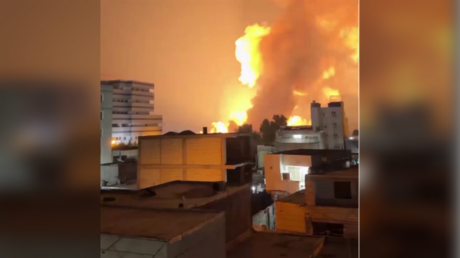
The assassination of Akobo County Commissioner James Kueth Makuach in Jonglei State is not just another tragic blip on the radar of regional instability. It is a loud, chaotic alarm that South Sudan is teetering on the edge of a broader collapse. Over the weekend, opposition forces launched an assault on Walgak, a remote area in Akobo West. When the smoke cleared, Makuach, a government-appointed official who recently defected from the opposition, was dead alongside several senior military officers.
If you think this is just a localized skirmish over remote territory, you are missing the bigger picture. The 2018 peace agreement that technically ended the nation’s brutal civil war is officially on life support. This latest assassination directly exposes the cracks in a fragile power-sharing deal that was supposed to guide the country toward its first-ever general elections, scheduled for December 22, 2026. Instead of preparing for ballots, the country is bracing for bullets.
The Defection That Triggered a Battlefield Reckoning
To understand why Makuach was targeted, you have to look at the political chess board in Juba and Jonglei. Makuach was not always a government darling. Until recently, he belonged to the opposition faction led by Riek Machar. However, after the opposition’s acting leadership removed him from his post earlier this year, Makuach defected to President Salva Kiir’s ruling Sudan People's Liberation Movement (SPLM) in April.
President Kiir’s government immediately turned around and appointed Makuach as the county commissioner of Akobo. There was just one massive problem: under the explicit terms of the 2018 peace deal, the commissioner slot for Akobo County belongs strictly to Machar’s opposition party.
By appointing Makuach, the government effectively ripped up that chapter of the agreement. The opposition viewed the move as an aggressive power grab in an oil-rich, strategic stronghold. When opposition fighters overran Walgak, it was a direct, lethal response to Juba's political maneuvering.
A Crumbling Peace and a Missing Leadership
The structural framework holding South Sudan together has been disintegrating for over a year. The Reconstituted Joint Monitoring and Evaluation Commission, the body tasked with keeping the peace process on track, openly admitted that this renewed violence completely undermines what remains of the 2018 deal.
The political reality on the ground is stark:
- The Opposition Leader is Detained: Riek Machar has been under house arrest and faces heavy treason and conspiracy charges in Juba, completely paralyzing the political leadership of the opposition.
- The White Army Offensive: Ethnic Nuer community militias, known as the White Army, have launched major offensives against government bases, pushing the conflict far past a simple political dispute.
- Regional Military Intervention: Facing severe losses, President Kiir previously requested military assistance from Uganda. The subsequent deployment of Ugandan forces and reported airstrikes have only escalated local resentment and intensified the fighting.
The regional civil society group Community Empowerment for Progress Organization (CEPO) pointed out that Walgak and the broader Akobo area are currently hosting thousands of internally displaced persons who fled earlier fighting in northern Jonglei. These people ran from one war zone only to find themselves trapped in another.
Human Cost and the Shrinking Space for Aid
While political elites in Juba trade angry statements—with SPLM Secretary-General Akol Paul Kordit strongly condemning the "brutal killing" and demanding international intervention—the actual human toll is staggering.
The international medical humanitarian organization Médecins Sans Frontières (MSF) released a devastating report highlighting that attacks on healthcare facilities, civilian structures, and aid workers are skyrocketing. Between January 2025 and April 2026, MSF treated thousands of people for violence-related injuries across the country, noting a massive 77 percent increase in gunshot wounds compared to previous years.
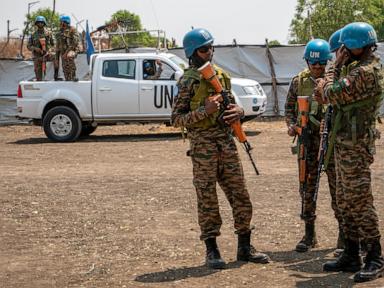
Even worse, the protective umbrella for these civilians is actively folding. Just last month, the United Nations withdrew its peacekeepers from a key base in the region, citing budget constraints. This left a security vacuum that opposition and government forces were all too eager to fill. When the UN pulls out, local populations are left entirely defenseless against retaliatory raids.
Real Next Steps for Regional Stability
Stopping a total relapse into full-scale civil war requires immediate, pragmatic action from both domestic and international actors. The current strategy of holding a flawed election while political leaders are jailed or assassinated is a recipe for disaster.
- Enforce an Immediate Localized Ceasefire: The Ceasefire and Transitional Security Arrangements Monitoring and Verification Mechanism (CTSAMVM) must immediately deploy investigators to Akobo to establish a localized truce before retaliatory forces from Juba arrive.
- Halt Political Appointments Outside the 2018 Framework: The ruling party must freeze all unilateral appointments of local officials in opposition-designated areas to prevent further localized targeted assassinations.
- Establish Secure Humanitarian Corridors: International donors must condition future diplomatic engagement on the immediate guarantee of safe passage for medical groups like MSF, ensuring that hospitals and aid convoys are completely off-limits to all combatants.