July 25, 2016. Monday afternoon. Niantic dropped a digital bomb on an already hyper-connected city, and Hong Kong was never the same.
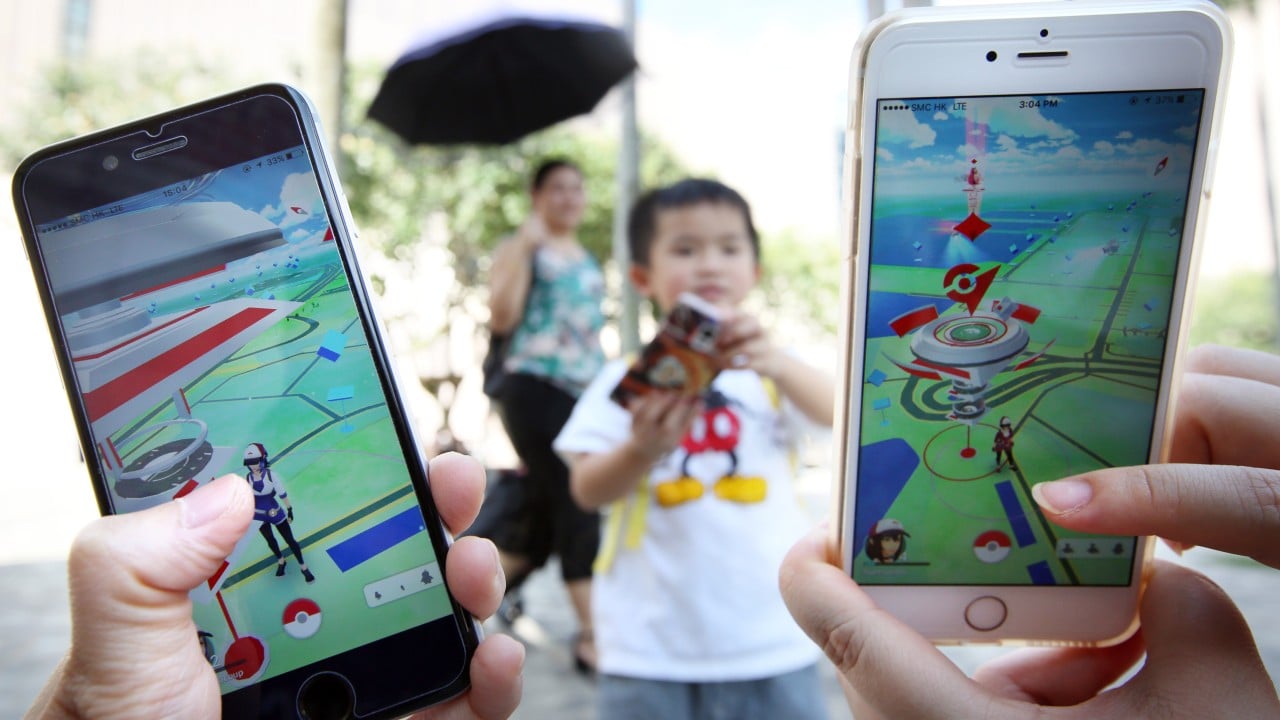
Streets filled with glowing screens almost instantly. Office workers abandoned their usual lunch spots, trading air-conditioned food courts for scorching pavement. Teenagers, corporate executives, and grandparents stumbled across MTR stations, mall corridors, and public parks with their eyes glued to smartphones. The reason was simple: Pokemon Go had officially arrived in the territory, making it only the second place in Asia to get the augmented reality phenomenon.
If you weren't there, it's hard to describe the sheer absurdity of the scale. Thousands of people packed into places like Times Square in Causeway Bay, Tuen Mun parks, and Tin Shui Wai chasing invisible digital pocket monsters. Public space in Hong Kong is already tight, fiercely contested, and constantly crowded. Throwing an app that turned every landmark, fountain, and MTR exit into a spawn point or a gym created an entirely new kind of urban chaos.
The Madness of the 2016 Launch
Nintendo and Niantic didn't just release a mobile app; they hacked human behavior. The game relied on GPS tracking and camera overlays to make virtual creatures appear against the backdrop of real-world alleys and towers. In a vertical metropolis where people usually rush past each other with downcast eyes, Pokemon Go forced everyone to look up, stop dead in their tracks, and interact with absolute strangers over a digital Pikachu or Snorlax.
Local telecommunications companies watched the madness unfold and immediately pounced, rolling out specialized data plans tailored entirely for gamers who refused to log off. Construction sites that normally worried about routine safety hazards had to put up explicit warning posters telling obsessed players not to wander into dangerous zones. Police officers routinely showed up to disperse massive crowds gathering late at night in public housing estates and parks, bewildered by lines of hundreds of people standing shoulder-to-shoulder in absolute silence, flicking virtual Pokéballs at thin air.
Colliding Worlds and Unexpected Landmarks
What made the Hong Kong craze uniquely fascinating was how the game's hidden mechanics interacted with the city's complex social fabric. Niantic built its gym and Pokéstop locations using location data recycled from an older game called Ingress. That meant points of interest often mirrored real history and recent political scars.
Certain landmarks born out of the 2014 pro-democracy demonstrations—such as sections of walls covered in messages—suddenly doubled as high-value virtual battlegrounds. Players found themselves congregating around politically charged sites not to protest, but to level up their avatars. It created a surreal juxtaposition where modern mobile entertainment collided directly with the heavy political reality of a restless city.
Why the Craze Actually Succeeded
Most mobile fads burn bright and crash within a week. Pokemon Go survived because it weaponized nostalgia and forced real-world socialization. People who spent their childhoods playing Game Boy versions of Red and Blue in the late 1990s suddenly had an excuse to recapture those years on the streets.
It wasn't just about catching creatures. It was about shared community panic and joy. When a rare monster spawned near Victoria Harbour or a quiet housing estate courtyard, word spread instantly through WhatsApp groups and word of mouth, triggering a stampede of hundreds of people moving in complete unison.
The fever eventually cooled down as server issues, battery drain, and safety crackdowns set in. Yet that specific summer window remains an unmatched moment in digital history. For a few wild weeks, Hong Kong stopped being just a dense financial hub and turned into a massive, cooperative playground.
Charge your portable power banks, check your local community map headings, and head out to see what digital ghosts are still hiding in your neighborhood tonight.