Geopolitics and private wealth rarely stay separate for long, especially when billions of dollars in Middle Eastern energy infrastructure are on the table. The recent revelations surrounding high-level diplomatic appointments and massive regional construction blueprints have exposed the tangled web connecting statecraft with commercial investments. When you look closely at how energy corridors get redesigned, you realize that political influence and private capital operate behind closed doors long before any public contract ever gets signed.
The core issue involves diplomatic appointments holding onto financial ties linked to firms driving massive regional projects. Specifically, questions have risen around special envoys maintaining longstanding financial relationships with investment firms and corporate founders backing ambitious infrastructure maneuvers. While investigators have found no direct proof that these individuals stand to personally profit from the pipeline itself, the optics alone ignite fierce debates about potential conflicts of interest in high-stakes foreign policy.
The Strategic Push Behind the Hormuz Bypass
Why are governments rushing to spend billions on alternative export routes right now? The Strait of Hormuz remains one of the most volatile and strategically critical bottlenecks on the planet. When regional tensions spike or military friction threatens maritime transit, global oil supplies instantly face catastrophic threats.
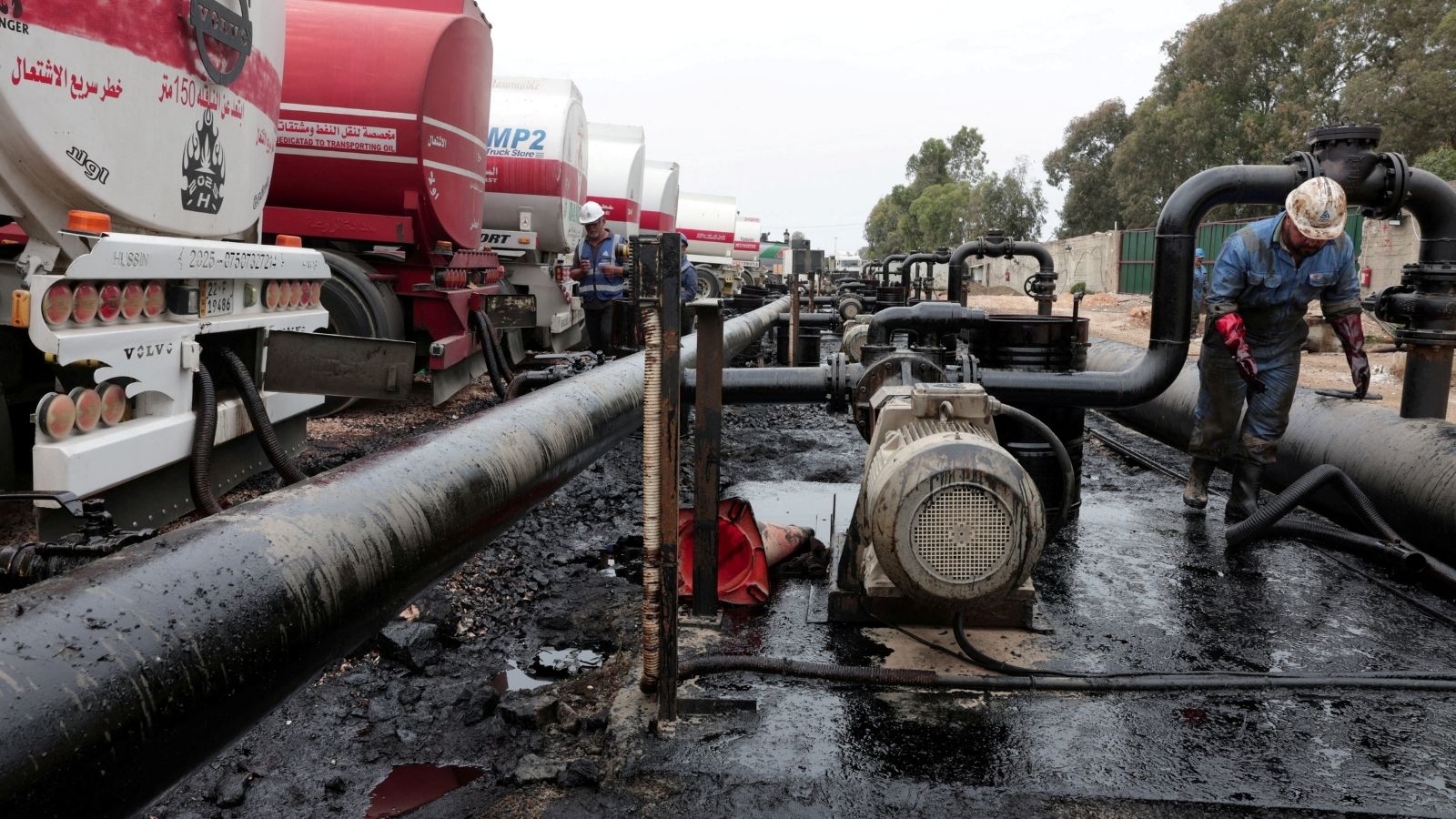
To solve this vulnerability, leaders have revived plans for massive overland energy corridors. A notable $15 billion pipeline proposal aims to route oil away from the Persian Gulf, carrying petroleum through Iraq and Syria straight to Mediterranean ports. Major governments view this as a primary infrastructure priority of immense bilateral and regional strategic significance. American firms and specialized consortia have lined up to handle reconstruction, turning a decades-old dream into a concrete commercial reality.
Navigating the Thin Line Between Diplomacy and Business
Critics argue that maintaining private commercial ties while steering diplomatic negotiations creates an untenable gray area. When an envoy acts as a key negotiator between Washington, Baghdad, and regional capitals while simultaneously keeping historical financial connections to investment players like Ziad Ghandour's TI Capital, eyebrows naturally raise.
Transparency advocates point out that even if legal boundaries aren't explicitly crossed, the appearance of favoritism undermines public trust. Foreign policy should ideally prioritize national security and economic stability without the shadow of private financial entanglement. Yet, Washington insiders know that seasoned dealmakers often come straight from the corporate world, bringing their existing networks with them.
What This Means for Future Energy Corridors
The push to bypass maritime chokepoints won't slow down anytime soon. Energy security drives every major power play in the Middle East. As long as regional chokepoints remain susceptible to geopolitical leverage, private firms and state actors will continue pushing multi-billion-dollar engineering alternatives.
Watch how these projects unfold on the ground rather than getting bogged down entirely by political gossip. The real story isn't just about who sits on what board or holds financial stakes; it's about a complete reshuffling of how oil moves from Middle Eastern wells to Western markets. Keep your eyes on execution timelines, corporate consortium announcements, and actual pipeline construction milestones rather than just the initial political noise.