Two weeks of heavy bombing just stopped. But don't mistake a temporary military lull for genuine peace between Washington and Tehran.
The U.S. military has officially pressed pause on its airstrikes against Iran. Behind closed doors, regional mediators are scrambling to piece together a new diplomatic pathway. President Donald Trump balances twin threats of rapid military escalation with active back-channel negotiations. Yet, finding a lasting exit ramp from this five-month conflict remains an uphill battle.
The Core Dispute Over the Strait of Hormuz
You need to look at the map to understand why this conflict refuses to die. The Strait of Hormuz handles roughly twenty percent of the world's daily oil supply. Following an interim ceasefire deal signed back in June, a fierce battle for control erupted over these critical waters.
Iran demanded that cargo vessels stick to a coastal route close to its territory, raising the specter of mandatory transit fees. In response, international shipping companies began using a southern route along Oman's coast under U.S. naval overwatch. When Iran attacked those vessels, the conflict spiraled.
The U.S. military retaliated hard. Bombing runs targeted coastal defenses, infrastructure in southern provinces, and deeper targets inside Iran. Michael Singh, managing director at the Washington Institute for Near East Policy, points out that these heavy strikes served a clear tactical purpose: forcing Tehran back to the negotiating table.
Can Diplomacy Outrun Military Momentum?
Right now, regional mediators report that a compromise is actively taking shape. The blueprint centers on restoring the June ceasefire framework by letting Iran manage vessel transit through the strait, but with significantly fewer restrictions on international shipping.
At the same time, enforcement remains brutal. The U.S. Navy continues a strict blockade of Iranian ports. Federal forces recently disabled a Mozambique-flagged vessel in the Gulf of Oman after it ignored multiple warnings and tried to breach the blockade.
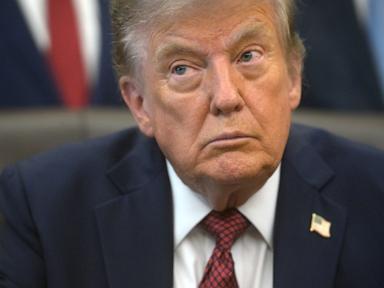
Trump laid out his two-pronged exit strategy directly to reporters in the Oval Office. He stated that the administration can either take the regime apart piece by piece through continuous military pressure or negotiate a settlement right now.
The Domestic and Regional Pressures
Political stakes are climbing fast. Rising gas prices linked to the shipping disruptions threaten Republican prospects in the upcoming November midterm elections. Yet, Trump has largely brushed off those economic warnings.
Adding to the tension, Israeli Prime Minister Benjamin Netanyahu is heading to Washington for high-stakes talks. Israel launched the war alongside the U.S. back on February 28, but has stayed notably absent from these recent American airstrikes. Analysts suggest this restraint could be a deliberate signal to Tehran that Washington wants to keep the conflict contained. Or, it might just be the calm before a wider storm if Israel jumps back into the fray.
Leadership dynamics inside Iran add another layer of volatility. Hardliners worry that any compromise with Washington will look like weakness, potentially threatening their grip on power.
Watch the duration of this current military pause. If the quiet stretches across multiple days without new escalations, real diplomatic progress might actually be happening. If not, the bombing restarts.