Politicians lie, cheat, and bend the rules. We expect it. But risking your entire political career, a seat in parliament, and a potential prison sentence over a measly £100 bet? That is a special kind of stupid.
When the British public first heard that high-ranking officials were betting on the date of the 2024 general election, it sounded like a bad comedy sketch. Now, the joke has officially ended in Southwark Crown Court. Craig Williams, the former parliamentary private secretary and right-hand man to ex-Prime Minister Rishi Sunak, just pleaded guilty to cheating at gambling.
He isn't alone. Amy Hind, the wife of the Conservative Party's former deputy digital director, also admitted to the same offense.
This isn't just a quirky British tabloid story about a few guys trying to make a quick buck down at the local betting shop. It is a massive breach of public trust that shows exactly how broken the culture at the top of British politics became.
The Inside Track to a Bad Bet
To understand why this is such a big deal, you have to look at how much access Craig Williams actually had. He wasn't some low-level staffer eavesdropping outside a meeting room. He was in the room.
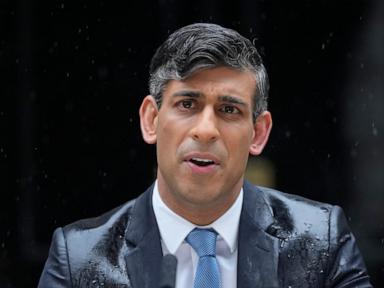
As Sunak's personal aide, Williams sat in top-secret planning sessions at 10 Downing Street and Conservative headquarters. He knew exactly when the Prime Minister was going to step out into the pouring rain and announce the July 4 election date.
Instead of keeping that information secure, Williams pulled out his phone. Prosecutors revealed he placed three separate wagers using the Ladbrokes betting app, including stakes of £250, £100, and £22.50.
Think about the sheer arrogance required to do that. You are sitting at the heart of government, handling information that could shift the political landscape of a G7 nation, and your first thought is to log into a gambling app to win a few hundred quid.
It gets worse when you look at Amy Hind's attempts. The prosecution detailed how she tried to dump massive amounts of money into the market once she got the inside scoop from the party apparatus. She tried to stake £767 and £700 on a July election in mid-May. Those massive chunks of cash failed to go through, but she eventually managed to secure a £100 bet at lucrative 11-1 odds.
Why the System Flags the Powerful
The scammers got caught because the British betting system actually works when it comes to tracking weird money.
In the UK, gambling is completely legal, highly regulated, and deeply embedded in sports and political culture. You can bet on the next prime minister, the next premier league manager to get fired, or whether it will snow on Christmas.
Because of this, betting companies use highly sophisticated algorithms to track unusual activity. When Craig Williams placed his bet, it triggered an immediate red flag. Why? Because Williams is registered as a Politically Exposed Person (PEP).
Important Note: Financial institutions and betting operators are legally required to perform enhanced due diligence on PEPs because these individuals have high-level access to state secrets and public funds.
When a guy who literally walks into Downing Street every day suddenly wagers a hundred pounds that an election will happen in a surprise month, the bookmakers don't just pay out the winnings. They call the Gambling Commission.
The Defense that Smelled Like Garbage
When the story first leaked during the actual election campaign, Williams tried to downplay it. He put out a video on social media admitting to a "huge error of judgment" but boldly claimed it was "not an offense."
That aged terribly.
By pleading guilty to violating Section 42 of the Gambling Act 2005, Williams has legally admitted that using confidential information to secure an unfair advantage is, in fact, a criminal offense. It carries a maximum penalty of two years in prison.
The political fallout was swift and brutal. The Conservative Party pulled its funding and support for his reelection campaign. Voters in Montgomeryshire noticed, and they booted him out of office during the Labour landslide victory. He went from being a rising political star with a direct line to the Prime Minister to a disgraced civilian waiting for a judge to decide if he belongs behind bars.
The Tip of the Iceberg
If you think this ends with Williams and Hind, you're wrong. This scandal goes much deeper, and the legal drama will drag on for years.
While Williams and Hind pleaded guilty, 12 other co-defendants stood in that same courtroom and pleaded not guilty. The Gambling Commission’s investigation, dubbed Operation Scott, pulled back the curtain on a widespread network of alleged cheaters.
The list of people heading to trial reads like a roster of political insiders and security personnel:
- Russell George: A member of the Welsh Senedd who has since been suspended by the Tories.
- Paul Place: A consultant employed directly by the Conservative Party.
- Charlotte Lang: A political strategist and former parliamentary candidate.
- Jacob Wilmer: The brother of the Conservative Party’s deputy chief of staff.
- A close protection police officer who was literally tasked with guarding Rishi Sunak's life.
Because so many people are fighting the charges, the court has scheduled trials all the way out into September 2027 and January 2028. Williams won't even receive his final sentence until these trials conclude. He gets to sit and wait while his former colleagues fight for their freedom.
Stop Treating Politics Like a Casino
The real takeaway here isn't the mechanics of the Gambling Act or the odds on a July election. It is the toxic mindset of the people we elect to run things.
When politicians treat state secrets like insider information on a horse race, it degrades the entire democratic process. They didn't see the election date as a critical moment for the future of the country. They saw it as a market inefficiency they could exploit for pocket change.
If you want to protect your own organization or just navigate the modern world without ending up like Craig Williams, take these practical steps:
- Audit your data access immediately: Look at who has access to sensitive information within your business or project. If they don't absolutely need it to do their job, cut them off.
- Establish absolute boundaries: Make it crystal clear in your contracts and codes of conduct that using internal, non-public knowledge for personal financial gain—no matter how small the amount—is an immediate fireable offense that will be reported to the authorities.
- Don't rely on self-regulation: The Tories didn't catch their own people; the algorithms at Ladbrokes did. Build automated checks and balances into your systems rather than trusting people to "do the right thing."