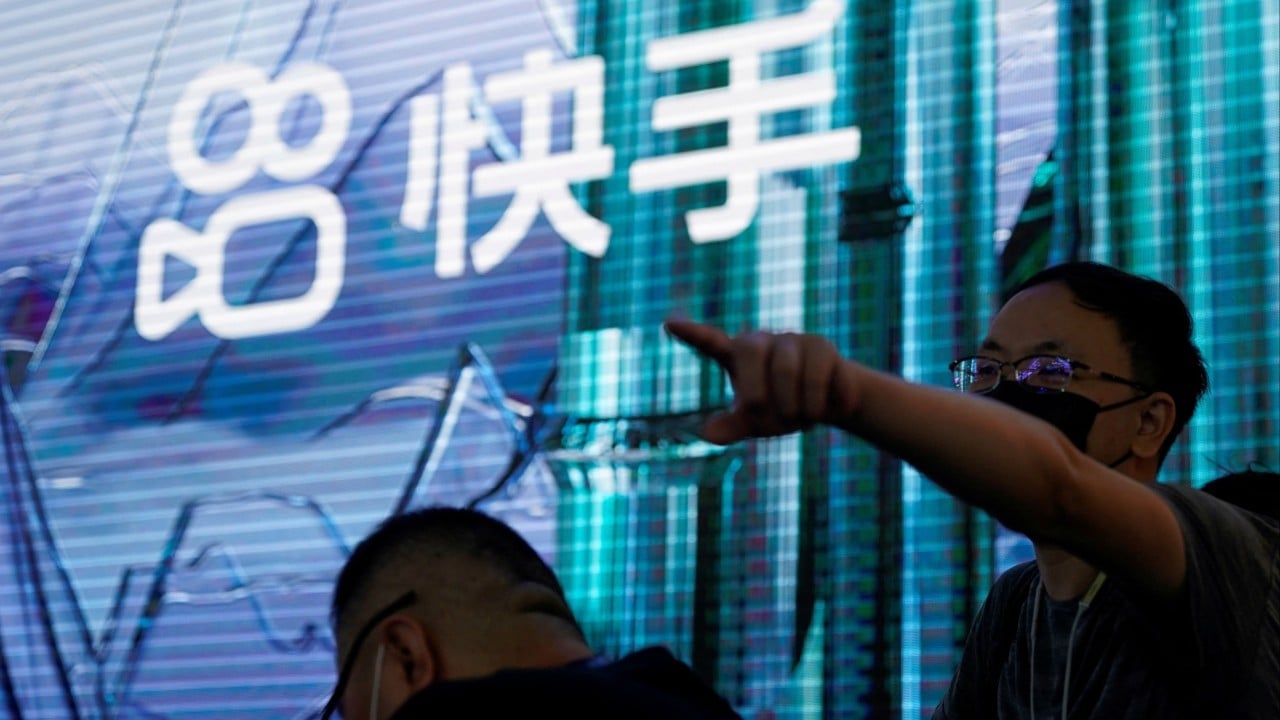
The headlines look alarming. Kuaishou shares plunged up to 10% intraday in Hong Kong after tech giant Tencent abruptly slashed its stake in the short-video platform, cashing out nearly $1.5 billion. Coming immediately after Kuaishou’s AI subsidiary, Kling AI, finalized a massive financing round valuing the video generator at $18 billion, it looked like a classic vote of no confidence.
But it isn't.
If you look past the immediate market panic, you see a completely different playbook. Tencent didn't dump Kuaishou because it lost faith in short video or generative AI. It did it to fundamentally rebalance its bets.
The Billion Dollar Shell Shock
Let's look at the numbers. According to filings with the Hong Kong Stock Exchange, Tencent executed a massive over-the-counter block trade, offloading roughly 273 million Class B shares of Kuaishou. That dropped Tencent's ownership from 15.68% to 9.37%. It took the tech titan below the 10% threshold, meaning it's no longer considered a major shareholder.
Morgan Stanley and Goldman Sachs handled the massive block trade at a steep discount, between 3.2% and 6.2% of the closing price. That discount is what triggered the initial selloff, dragging Kuaishou shares down 6% by the close.
Markets hate when a cornerstone backer leaves the room. But what the market missed is where that money is going.
Why Tencent is Funding the Subsidiary While Shorting the Parent
The timing of this divestment is too precise to be an accident. Just days before this stock selloff, Kuaishou's breakout generative video unit, Kling AI, neared the completion of a massive funding round.
Kling AI raised up to $3 billion, locking down a post-money valuation of $18 billion. The round drew an unexpected syndicate of backers. Alibaba, Baidu, and yes, Tencent itself all wrote checks.
This creates a fascinating dynamic:
- Tencent is aggressively trimming its position in Kuaishou's legacy short-video business.
- Tencent is directly funding Kuaishou's AI engine.
Why would Tencent sell the parent company to fund the spin-off? Because the risk profiles are entirely different.
Kuaishou's domestic short-video growth is plateauing. Monetizing hundreds of millions of users via live-stream e-commerce is getting expensive and highly competitive. Kling AI, however, is a rocket ship. The AI video app clocked an annualized revenue run rate of $500 million in March 2026, up from $240 million just three months prior. Its Q1 revenue blew past 650 million yuan, growing over 300% year over year.
By shifting capital directly into Kling AI, Tencent sidesteps the overhead of Kuaishou’s legacy business and buys a front-row seat to the most dominant text-to-video tool in China.
The Cross-Border Revenue Trap
There’s another angle to this deal that almost everyone is ignoring: where Kling AI’s money actually comes from.
A staggering 75% of Kling AI’s revenue originates outside of China. It boasts more than 100 million registered users across 224 countries. This means Kling isn't just fighting domestic rivals like ByteDance or Baidu; it's actively pulling software-as-a-service dollars from the US and European markets.
That international footprint is why global private equity firm General Atlantic stepped up to help anchor this round. It’s a bold move, considering geopolitical tensions and Beijing's historical hesitation around US capital entering sensitive AI layers.
But Kling’s heavy international revenue makes it an incredibly attractive asset for a standalone public listing. Kuaishou has already tipped its hand, signaling plans to push for a Kling AI IPO in Hong Kong within the next 12 months.
What to Do Next
Don't let the short-term drop scare you away from watching how this tech reshuffle plays out. The real moves are happening under the surface.
- Watch the lock-up period: Tencent’s remaining 9.37% stake in Kuaishou is bound by a 90-day lock-up agreement. Keep an eye on that window; any hints of further block trades will tell you if Tencent is entirely liquidating its legacy portfolio.
- Track the pricing wars: Kling AI is sitting on a fresh multi-billion dollar war chest. Expect them to aggressively subsidize compute costs and lower subscription fees to starve out independent Western video platforms like Runway or Pika.
- Follow the infrastructure play: Watch Alibaba Cloud and Tencent's cloud divisions. Kling AI burns an ungodly amount of compute power to render its 15-second, multi-shot video clips. A lot of the money raised in this round will go straight back into buying processing power from the very tech giants that just funded it.


