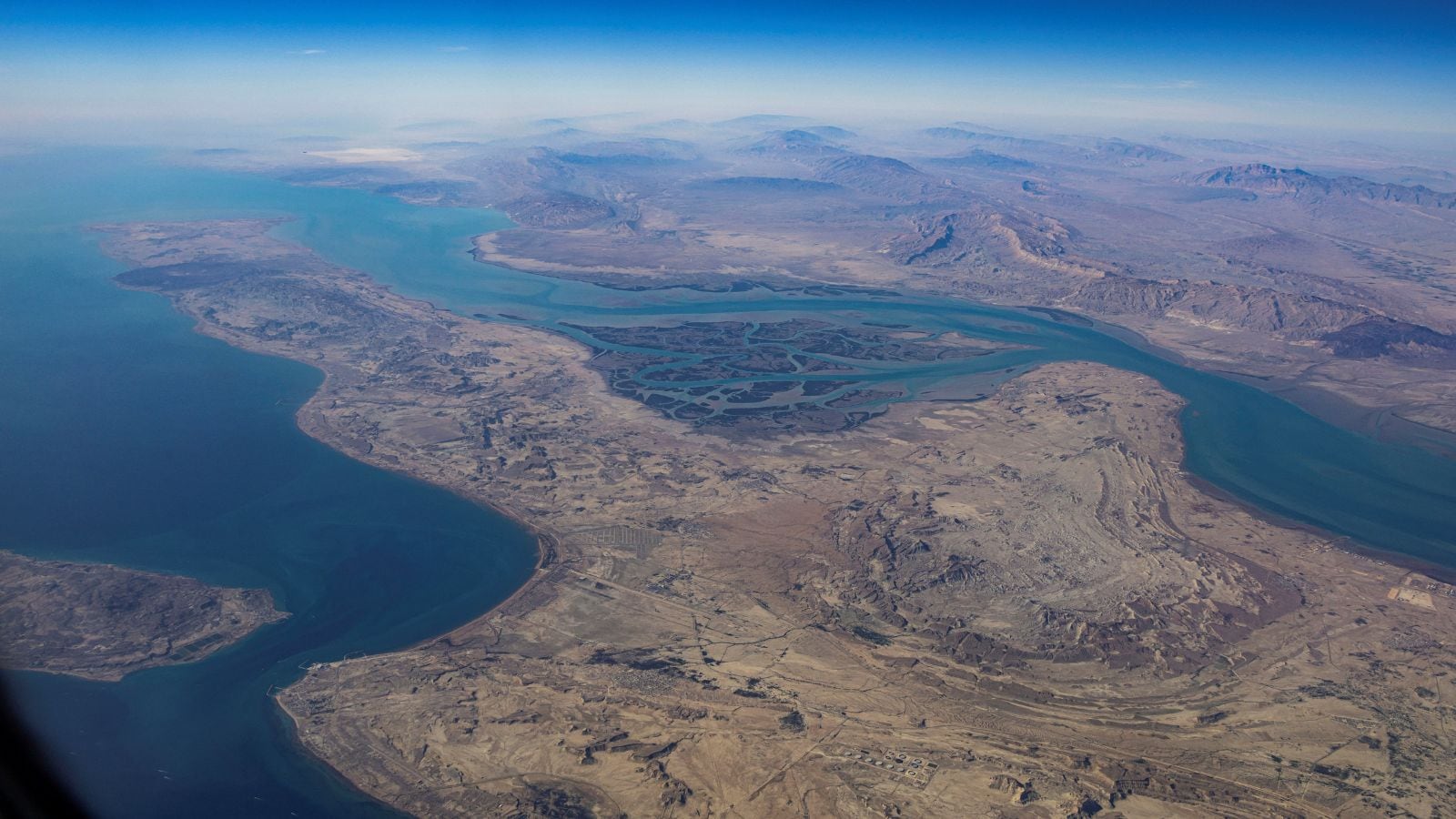
The Strait of Hormuz is basically the jugular vein of global energy supply. When it gets pinched, fuel prices spike everywhere. Iran recently announced an agreement with Oman on a specific shipping route through this critical waterway. Sounds like a breakthrough, right? Not so fast.
If you look past the headlines, this announcement is mostly tactical posturing. Tehran claims they’ve locked down geographic coordinates for safe passage with Muscat. But Washington isn't stepping aside that easily, and the underlying naval blockade remains a massive roadblock.
Why the Iran-Oman Arrangement Changes the Board
For months, the chokepoint has stayed mostly shut due to ongoing conflict involving the U.S., Israel, and Iran. Roughly a fifth of the world's oil and liquefied natural gas used to move through here. When traffic stopped, global markets panicked.
Tehran's foreign ministry spokesperson, Esmaeil Baghaei, pointed out that a joint statement is hovering in the final drafting stages. The core idea involves splitting traffic. Regional insiders note that under this framework, inbound vessels would use an Iranian-monitored lane, while outbound ships would clear via Omani waters.
Iran wants to charge service fees for security and environmental upkeep. That is the real sticking point.
The Washington Disconnect
President Donald Trump's administration has made reopening the strait an urgent priority ahead of looming political deadlines. White House officials want normal, toll-free movement restored immediately. Treasury Secretary Scott Bessent recently emphasized that Washington expects total freedom of navigation without gatekeepers.
Allowing Tehran to dictate terms or collect tolls hands them immense strategic leverage. American officials know this. They aren't going to lift their port blockades if it means validating an Iranian chokehold on global commerce.
Baghaei added a classic caveat: the deal works unless "third parties" interfere. That's diplomatic code for blaming the United States if things fall apart.
What Happens to Energy Markets Next
Traders are reacting cautiously. Brent crude has hovered around $79 a barrel as news of the talks trickles out. Markets want stability. They hate ambiguity even more.
Previous interim understandings—like the short-lived June memorandum—collapsed quickly when tit-for-tat strikes resumed. Relying on a bilateral handshake between Tehran and Muscat doesn't bypass the hard reality of a U.S. naval presence actively enforcing restrictions.
You shouldn't expect an instant flood of tankers just because a committee in Oman finished drawing lines on a map. Until Washington and Tehran agree on who actually polices the lanes—and whether money changes hands—the bottleneck stays real.
Watch the port blockades, not the press releases. That tells you the truth.
Iran & Oman Appear Divided On A Potential Shipping Fee At Strait Of Hormuz
This video provides a detailed breakdown of the ongoing disputes between Iran and Oman regarding proposed shipping fees and control over transit through the Strait of Hormuz.
http://googleusercontent.com/youtube_content/1