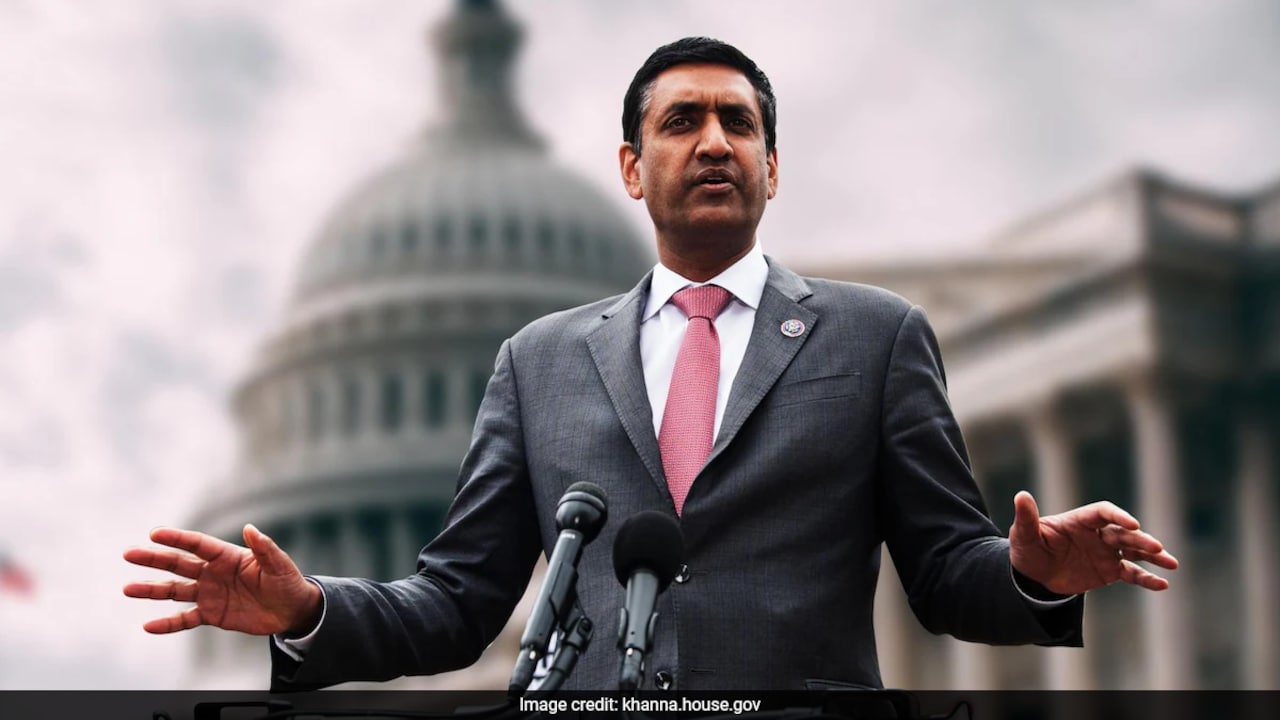
You probably saw the headlines about US Representative Ro Khanna getting blocked by armed Israeli settlers in the West Bank. It sounds like a standard flashpoint story. A progressive politician goes to a tense region, things get hairy, and everyone goes back to their political corners. But if you look closely at what happened in the ruins of Khirbet Zanuta, the real story isn't just about a stranded politician. It's about a massive shift in how American lawmakers see the region, and it might just reshape the future of US foreign policy.
Khanna, a prominent California Democrat, bypassed the sanitized, pre-approved official itineraries during his July 2026 trip. Instead, he went straight to a southern West Bank hamlet that had been completely emptied after violent settler raids. While inspecting a destroyed local school, his group was surrounded by men armed with American-made M4 rifles. They couldn't leave. For more than an hour, a sitting US congressman was trapped on a dirt road, calling the US Embassy for help while the Israel Defense Forces (IDF) seemingly sided with the men holding him.
The Reality of the West Bank Standoff
The details of the confrontation matter because they break the usual diplomatic script. Khanna didn't mince words when describing the men who blocked his vehicle. He called them "hoodlums" and pointed out the dark irony that they were holding American citizens at gunpoint using weapons manufactured right here in the United States.
According to Khanna's aide, Cameron Kasky, the standoff lasted over an hour before officers who appeared to be Israeli police finally stepped in to disperse the crowd. The IDF later claimed its troops moved in to clear the road as soon as they received reports of a civilian blockage. But Khanna's firsthand account paints a very different picture. He noted that when the military arrived, they initially backed the settlers, not the Americans.
This isn't an isolated incident, but it's rare for an American official to experience it directly. Rights groups like Yesh Din have documented thousands of complaints regarding settler violence and military complicity over the years, noting that fewer than 1% of these cases ever lead to an indictment. When a lawmaker sees that power dynamic play out in person, the abstract debates in Washington suddenly get very real.
Why This Trip Changes the 2028 Calculus
Khanna didn't just stumble into this. He chose a West Bank itinerary designed entirely by Palestinians to get an unfiltered view of the territory. This happened at the exact same time another prominent Democrat weighing a future White House bid, Rahm Emanuel, was in Tel Aviv warning that current Israeli policies are actively eroding American support.
The fallout from this trip is going straight into the upcoming primary cycles. Khanna openly admitted the experience made him even more resolved to consider a 2028 presidential run. He slammed the Democratic party establishment as "clueless" about how much of a moral litmus test this issue has become for the base.
For years, Washington treated unconditional aid to Israel as a given. Now, lawmakers are getting cornered by the very weapons they voted to fund. Khanna's stance is clear: if politicians won't speak up against the human cost of the occupation, they are morally compromised.
What Happens Next
This incident will likely trigger a push for stricter oversight on how American-made weapons are distributed and used in the West Bank. You can expect Khanna and other progressive lawmakers to demand formal investigations into why US citizens—and elected officials—are being detained by civilians carrying American military hardware.
If you want to track how this changes US policy, watch the upcoming defense budget debates. The real test won't be the public statements or the social media posts; it will be whether lawmakers start placing explicit, legally binding conditions on foreign military financing. Keep an eye on the House Foreign Affairs Committee over the next few weeks to see if Khanna's experience translates into actual legislative pressure.