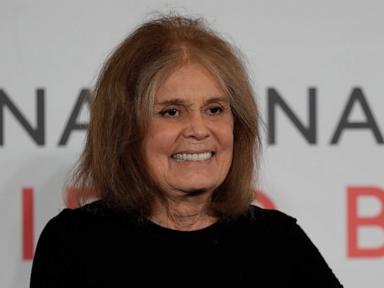
Gloria Steinem didn't invent modern feminism. But she made it impossible to ignore. When she passed away at the age of 92, the media flooded the internet with the usual sanitized tributes. They called her a trailblazer. They called her an icon.
Most retrospectives miss what actually made her effective. Steinem wasn't just a symbol on a magazine cover. She was a master strategist who understood how media worked long before social media algorithms existed.
The Media Pioneer Behind the Icon
Let's clear up a common misconception right away. People often think Steinem spent her entire life marching in the streets with a megaphone. In reality, her superpower was the written word.
Back in 1969, she wrote a piece for New York magazine about abortion called "After Black Power, Women's Liberation." It was raw, honest, and deeply personal. She didn't hide behind academic jargon. She talked about her own life because she knew personal stories punch through political noise faster than any statistics report.
When she co-founded Ms. Magazine in 1972, critics predicted it would fail within six months. They thought women only wanted to read about recipes, fashion, and romance. Ms. Magazine sold out its first 300,000 copies in eight days.
Why did it work? Because Steinem trusted her readers. She treated women as intellectual equals who cared about politics, finance, and bodily autonomy.
Beyond the Aviator Glasses
People love to focus on her aesthetic. The signature aviator glasses, the blonde streak in her dark hair, the fitted black sweaters—they became shorthand for a movement. But reducing her to a fashion statement ignores the grit required to sustain decades of public scrutiny.
She faced brutal pushback from both sides of the political spectrum. Traditionalists called her a home-wrecker. Radical factions sometimes accused her of being too mainstream or too polished. She took the hits and kept traveling across the country, speaking at college campuses, union halls, and community centers.
She listened to women who didn't look like her or share her background. Her time spent living in India during her youth fundamentally shaped her worldview. She realized that oppression wasn't isolated to American living rooms; it was a global structural failure.
What Her Death Means for Modern Politics
Her passing lands at a strange, turbulent time for gender rights. With the overturning of Roe v. Wade and ongoing fights over reproductive freedom, the baseline rights her generation fought for are actively rolling backward.
Younger activists sometimes view second-wave feminism as outdated or out of touch with modern intersectional realities. But Steinem spent her later years expanding her definition of inclusion. She repeatedly argued that true equality must cross racial, economic, and geographic lines.
If you want to honor her legacy, don't just post a quote on social media. Read her work. Look at how she organized. Pay attention to how she handled institutional power—not by begging for a seat at the table, but by refusing to play by rigged rules.
The work she started remains unfinished. The rest is up to you.
Feminist icon Gloria Steinem's legacy
This video explores Gloria Steinem's incredible historical footprint and enduring impact on women's rights through archival footage and local reporting.
-p-800.png)