Summer in Europe used to mean lazy beach days and unhurried road trips. Now, it means watching the horizon for smoke. When flames crossed into Greece, hitting areas near Thessaloniki and the tourist-heavy Chalkidiki peninsula, it wasn't just a local emergency. It was another stark warning that southern Europe's summer crisis has evolved into something far more dangerous.
If you think these disasters are strictly driven by rising thermometer readings, you're missing the bigger picture. Greece's fierce outbreaks—featuring 60 separate blazes in a single 24-hour stretch—are fueled by a dangerous mix of dry vegetation, violent winds, and human error. Official data points to an uncomfortable truth: roughly 85% of Greek wildfires start through human negligence. Someone sparks a piece of machinery, drops a cigarette, or lights an outdoor barbecue when they shouldn't. Nature provides the tinder, but people strike the match. If you enjoyed this article, you might want to look at: this related article.
The Real Threat Beyond the Flames
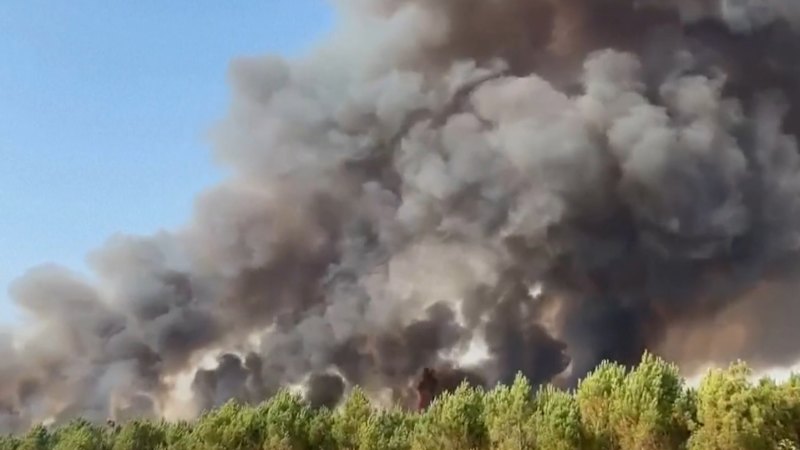
Flames get the headlines, but smoke is the silent threat that catches travelers and locals off guard. When a recycling plant near the Oraiokastro suburb of Thessaloniki caught fire, authorities didn't just evacuate nearby homes. They ordered residents across the city's districts to stay indoors, seal their windows, and lock their doors against toxic industrial smoke.
You don't need to be standing directly in a wall of fire to be affected. Smoke plumes travel for miles, turning clear blue skies into hazy orange nightmares and wreaking havoc on respiratory health. For another angle on this story, check out the latest coverage from The Guardian.
Meanwhile, the crisis stretches far beyond Greek borders. Down in Portugal, firefighters battled colossal blazes near Vouzela that devoured thousands of hectares, requiring emergency reinforcements from Spain and Italy. In southern France, ferocious fires forced thousands to evacuate near Perpignan, disrupting daily life and even impacting major sporting events like the Tour de France.
How to Handle Summer Travel Risk
People love to panic online whenever a European wildfire makes international news. Entire trips get canceled over distant rumors. That's a mistake. Greece isn't a single monolithic hazard zone. Santorini and Mykonos might be entirely clear while mainland suburbs or specific coastal sectors face evacuation warnings.
If you're heading into regions prone to summer fire activity, you need to operate with a tactical mindset.
- Keep your phone charged with the sound switched on. Greece's 112 emergency system pushes immediate, geo-targeted alerts in both Greek and English straight to every active phone, including foreign roaming numbers.
- Check local conditions hour by hour rather than relying on broad national forecasts.
- Talk directly to your accommodation provider before arrival. Ask if they are operating normally and whether any local restrictions affect your route.
Preparing for the Long Haul
Governments are scrambling to adapt. Greece added specialized monitoring satellites to spot new ignitions before they explode into monsters. Fire crews are positioning massive resources closer to vulnerable pine forests near Athens and major northern hubs.
Yet technology only goes so far when human carelessness remains the primary ignition source. Until local laws enforce harsher penalties for outdoor negligence and travelers respect the sheer fragility of dry Mediterranean ecosystems, these summers will keep testing the limits of European emergency services.
Stay aware, pay attention to local warnings, and never ignore an evacuation order. When the sirens start, you move.