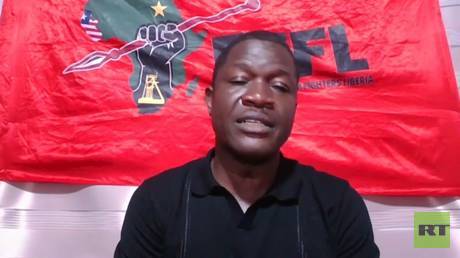
The United States military hasn't executed anyone since 1961. That quiet streak is about to shatter. Defense Secretary Pete Hegseth announced that the upcoming execution of Nidal Hasan—the former Army psychiatrist convicted of killing 13 people and injuring 32 others in the 2009 Fort Hood shooting—will happen via firing squad. But the method isn't even the most controversial part.
The administration plans to livestream the whole thing to the public.
If this goes ahead as scheduled on December 3, 2026, it will mark the first public execution in the United States in nearly a century. It places the country into a very small, heavily criticized group of nations that broadcast capital punishment to the masses.
Why the Pentagon Chose a Firing Squad
Hasan was originally slated to receive a lethal injection. That standard protocol shifted when Pentagon officials, backed by presidential approval, recommended changing the method to a firing squad. Hegseth called the decision a "no-brainer" in media interviews, noting that the military hasn't used a firing squad since World War II.
The legal path here has been long and exhausting. Hasan represented himself during his 2013 trial, where he offered virtually no defense, telling jurors he had "switched sides" in a jihadist effort to stop soldiers from deploying to Afghanistan and Iraq. His appeals wound through the system for over a decade, with the Supreme Court declining to hear his final challenges.
Now, the sentence is set for Fort Hood, Texas.
The Livestream Debate and Global Outrage
The decision to broadcast the execution has triggered swift international backlash. The United Nations human rights office (OHCHR) warned immediately that livestreaming a firing squad execution constitutes a form of cruel, inhuman, or degrading treatment, equating it to a public execution. UN officials stressed that breaking this absolute prohibition violates international human rights laws and the right to life.
Domestically, the reaction is sharply divided. Supporters of the move argue that severe crimes demand severe, highly visible consequences. They believe open accountability serves as a definitive deterrent.
On the other side, legal scholars, mental health professionals, and human rights advocates are sounding alarms. Psychiatrists warn that broadcasting an execution could induce severe trauma or PTSD in everyday viewers. Lawmakers from multiple parties have begun questioning the constitutionality of a public execution under the Eighth Amendment, predicting a wave of last-minute legal motions and court battles that could delay the proceedings further.
What Happens Next
The December 3 date is locked in, but the legal battles are only accelerating. As courts weigh the constitutionality of turning a military execution into an open digital broadcast, the precedent being set will ripple across the American justice system for decades.
Watch the filings closely over the coming weeks. The outcome will redefine how the state exercises its ultimate power in the digital age.
Pentagon Plans To Livestream Nidal Hasan's Execution by Firing Squad Sparks Outrage
This video provides coverage and analysis regarding the Pentagon's announcement to publicly livestream the upcoming execution.
http://googleusercontent.com/youtube_content/1