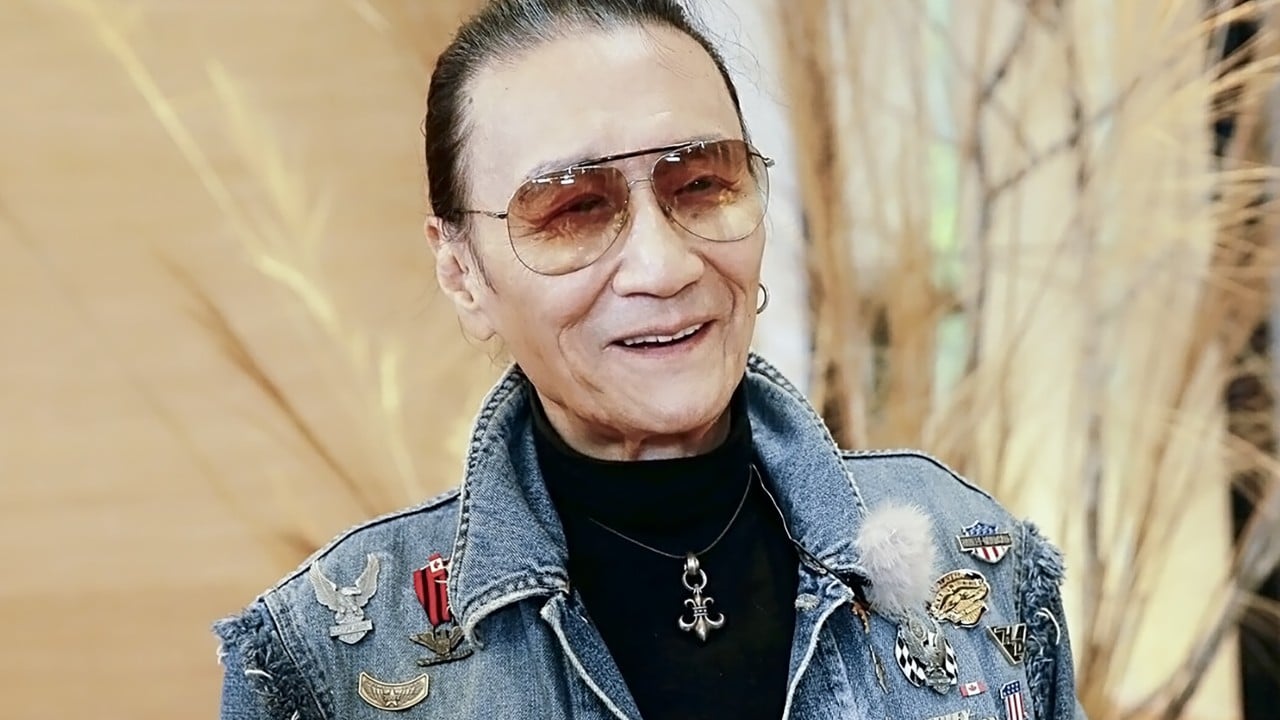
Hong Kong cinema just lost its greatest style icon. Patrick Tse, the legendary actor affectionately known to generations of fans as "Sei Gor" or Fourth Brother, passed away peacefully at the age of 89 on July 20, 2026. His children, Nicholas and Jennifer Tse, shared the news, sparking an immediate wave of nostalgia across the global Chinese diaspora.
For over seven decades, Tse wasn't just a part of the entertainment industry. He embodied it. He witnessed the evolution of Hong Kong film from black-and-white Cantonese classics to the high-octane global blockbusters of the 1980s and 1990s. While modern audiences might know him best as the father of pop icon Nicholas Tse, or for his trademark aviator sunglasses, his artistic legacy runs far deeper than his public persona. He defined what it meant to be a leading man in an era when the rules of modern stardom were still being written.
He stayed cool until the very end. His son Nicholas recounted how his father always insisted on appearing perfect in front of the camera, living by the golden rule that the show must go on. Understanding his long path helps you appreciate why his death marks the true end of a golden age.
The Undeniable Gravity of Fourth Brother
Born Tse Ka-yuk in Guangzhou in 1936, he moved to Hong Kong as a kid and grew up alongside the city itself. The post-war years were tough, but the local entertainment scene was ready to explode. Tse actually failed an actor training course at the Lan Kwong Film Company in 1953. It didn't stop him. He quickly caught the attention of producer Poon Bing-kuen and joined Dihua Film Company, making his lead debut in the 1954 movie Save Your Water Supply.
He had a rare kind of screen presence. It was an effortless blend of slick charm, sharp features, and a slightly rebellious edge that Cantonese cinema desperately needed at the time. The 1950s and 1960s saw him rapidly rise to superstar status. He became the definitive heartthrob of the era. He starred in dozens of romance films, melodramas, and martial arts features.
He didn't stick to easy roles. He pushed the boundaries of what a mainstream actor could do. His performance in Patrick Lung Kong’s 1967 classic The Story of a Discharged Prisoner is a prime example. He played an ex-convict trying to go straight in a society that refused to forgive him. The film was groundbreaking. It directly inspired John Woo's iconic gangster masterpiece A Better Tomorrow decades later. Tse brought a raw, tragic humanity to a role that could have easily been a cartoonish caricature. That was his gift. He made you care about flawed men.
Defining Cool Across Multiple Generations
By the time the 1970s rolled around, Tse was bored with just acting. He wanted control over the stories he was telling. He jumped behind the camera, working as a director, writer, and producer. He created films like Madness of Love in 1972 and The Splendid Love in Winter in 1974. This era showed his deep understanding of modern romance and social dynamics, solidifying his reputation as a true auteur of local pop culture.
Then came the television boom. Instead of fading away as new movie trends emerged, Tse transitioned to the small screen with massive success. He joined television network TVB and instantly reinvented himself for a new generation of viewers.
His work in television became legendary. In the 1980 drama The Shell Game, he played Law Sei Hoi, a master gambler whose slick moves and supreme confidence captivated millions. The show was so popular that it essentially birthed the entire gambling movie genre that dominated Hong Kong box offices for the next fifteen years. If you love the God of Gamblers movies starring Chow Yun-fat, you owe a massive debt to Patrick Tse.
He followed that up with unforgettable performances in classic wuxia adaptations. He played Yeung Tit-sum in the definitive 1983 television adaptation of The Legend of the Condor Heroes. He showed incredible emotional range, moving away from his usual suave persona to portray a tragic, honorable warrior burdened by fate. He proved he could out-act anyone in the room, with or without his signature charm.
Aging With Grace and Making History at Eighty Five
Many stars of his generation retired quietly, but Tse refused to fade into the background. Even as he aged, he kept reinventing his relationship with the public. Younger moviegoers got a taste of his villainous brilliance in Stephen Chow’s 2001 international smash hit Shaolin Soccer, where Tse played Team Evil’s ruthless boss, Hung. He chewed the scenery with absolute delight, showing the world he still had that menacing charisma.
His ultimate artistic triumph arrived much later. In 2019, the Hong Kong Film Awards honored him with a Lifetime Achievement Award. Most people assumed that was the final exclamation point on his career. They were wrong.
In 2021, he starred in the indie drama Time, directed by Ricky Ko. He played Chau, an aging, retired assassin who spends his days chopping noodles in a run-down apartment, feeling abandoned by a rapidly changing city. It was a deeply vulnerable performance. For the first time in decades, Tse took off his trademark sunglasses on screen. He allowed the audience to see the wrinkles, the sadness, and the quiet dignity of an old man facing his own mortality.
The industry took notice. At the 40th Hong Kong Film Awards in 2022, Tse won the Best Actor award. At 85 years old, he became the oldest recipient of the prize in the history of the academy. It wasn't a sympathy vote. It was a well-deserved recognition of a master craftsman delivering one of the finest performances of his life. He proved that true talent doesn't have an expiration date.
How to Explore the Cinematic World He Left Behind
If you want to understand the history of modern Asian cinema, you have to watch Patrick Tse’s work. You can't just read about him. You need to see how he moved, how he spoke, and how he controlled the energy of a scene. Here is the perfect roadmap to experience his career milestones.
Start with his early masterwork, The Story of a Discharged Prisoner from 1967. Look at how he uses his body language to convey the crushing weight of societal rejection. It gives you an immediate look at the roots of the heroic bloodshed genre that made Hong Kong movies famous worldwide.
Next, dive into the television archives and look for clips of The Shell Game from 1980. Pay attention to his poise, his hand gestures while handling playing cards, and his intense vocal delivery. You will instantly see where an entire generation of actors got their inspiration.
Finish your study by streaming Time from 2021. Watch it right after his earlier films. The contrast is staggering. Seeing the ultimate symbol of suave elegance transform into a lonely, forgotten elder is a masterclass in screen acting. It shows an artist completely stripped of his vanity, relying entirely on raw emotion to tell a story.
Search for these titles on specialized Asian film streaming platforms, or check out the physical media restoration projects curated by organizations like the Hong Kong Film Archive. Seeing his evolution will completely change how you view modern filmmaking. Patrick Tse spent his entire life making sure the audience walked away smiling. The best way to honor his memory is to keep watching.