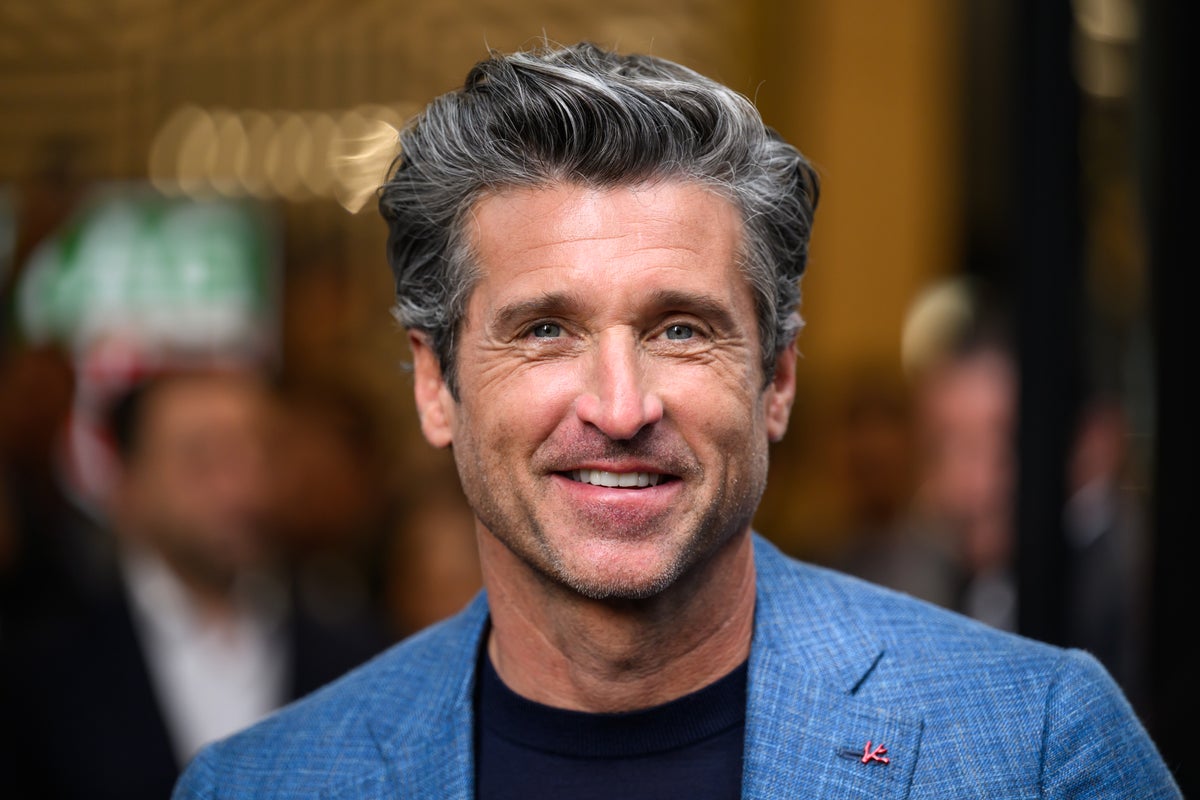
The political rumor mill loves a famous face, especially when a high-stakes election falls apart in real-time. That is exactly what happened in Maine this week. Following the sudden collapse of the Democratic campaign, folks scrambled for a savior. Eyes turned immediately to Hollywood. Specifically, they turned to a native son who played a doctor on television for years. Yet the state received a sharp dose of reality instead. The latest Patrick Dempsey decision shows that treating real-world politics like a television drama is a losing strategy for everyone involved.
By pulling his name out of the running before a full-blown draft campaign could even start, Dempsey did something rare for a major celebrity. He showed genuine restraint. He recognized his own limits. More importantly, he refused to let his fame be used as a quick fix for a structural party disaster. The state is facing real issues like housing shortages and healthcare access. A Hollywood actor stepping into a Senate race would have turned a serious policy fight into a circus.
The Sudden Fall of Graham Platner
To understand why people wanted McDreamy to save the day, you have to look at the wreckage of the race he refused to enter. Just a month ago, Maine Democrats thought they had a solid path to challenging Republican Senator Susan Collins. They had nominated Graham Platner. He was a Marine veteran. He was an oyster farmer. He possessed the kind of down-home, working-class profile that political consultants dream about.
Then everything broke.
An accusation of past sexual assault from a former girlfriend hit the news. Platner strongly denied the allegation, calling it completely false. But the damage was done instantly. Within days, party leaders began withdrawing their endorsements. The state party publicly blasted his campaign for creating a massive distraction. By Wednesday, Platner officially announced his withdrawal from the race.
His exit left a massive vacuum. The state party suddenly had no nominee for a race that could determine control of the Senate. Under Maine election rules, the Democratic state committee now has to scramble to select a replacement. It is a messy, frantic process. In the panic, party insiders began throwing around any big name they could think of. Dempsey was at the top of the list.
The Patrick Dempsey Decision and the Reality of Local Roots
Dempsey did not let the speculation fester. He shut it down with an op-ed in the Portland Press Herald. His piece was titled simply, "Why I'm not running for US Senate." He wrote that he had given the idea serious thought over several days. He acknowledged the problems facing his home state.
He asked himself a single question. Do I truly want to serve in Congress?
The answer was a flat no.
"After a lot of thought, I realized the answer is no. Not because public service isn't honorable — it absolutely is. But because I believe I can contribute more effectively through the life I've already built."
- Patrick Dempsey, Portland Press Herald
Dempsey is 60 years old. He grew up in the Lewiston-Auburn area. Unlike many Hollywood stars who abandon their home states completely, Dempsey has kept a real foot in Maine. He founded the Dempsey Center. The organization provides free, quality support and care to people impacted by cancer. It is a highly respected institution in the state.
He realized that trading real, tangible charity work for the hyper-partisan gridlock of Washington was a bad deal. He chose his current life over a grueling political campaign. It was a smart move. Running for office requires a specific kind of thick skin. It means spending hours on the phone begging rich donors for cash. It means watching your past get picked apart by opposition researchers. Dempsey already has money, fame, and a legacy he can be proud of. Why ruin that by entering a political meat grinder?
Moving Beyond Fame in Maine Politics
The temptation to draft a celebrity is easy to understand. Fame brings immediate name recognition. It brings an instant national fundraising network. When you are going up against an entrenched incumbent like Susan Collins, those assets look incredibly attractive. Collins has survived decades of political shifts in Maine. Beating her requires millions of dollars and total state saturation.
But star power does not automatically translate to votes. Mainers are notoriously independent. They pride themselves on knowing their candidates. They value local town halls, firm handshakes, and deep policy knowledge. A candidate who spent the last two decades on Hollywood sets would face immediate skepticism from rural voters in the second congressional district.
We have seen this play out nationally. Celebrity candidates often struggle when the glitter wears off and the policy debates begin. Dempsey recognized this trap. In his op-ed, he did not endorse any of the potential replacements. He did not even mention Platner by name. Instead, he called for a candidate who offers a new approach to governance. He stated plainly that he wants integrity above all else.
The Democratic Scramble Ahead
With Dempsey out, Maine Democrats must face their reality without a magical Hollywood ending. The state committee has a tight window to pick a new nominee. The party is already seeing internal friction. Some party leaders accused Platner’s team of trying to tip the scales for specific insiders before he officially exited.
Several actual politicians and business figures are now eyeing the spot. Dan Kleban is one of them. He is the co-founder of Maine Beer Company. He ran in the primary earlier this year before exiting and backing Governor Janet Mills. Kleban has already signaled that he is prepared to step up if the party taps him. Other names like state lawmaker Valli Geiger have bounced around the rumor mill.
The party cannot afford a long, drawn-out internal civil war. Whoever steps into the race will start at a massive disadvantage. They will have just a few months to introduce themselves to the entire state, build a staff from scratch, and raise millions of dollars. Meanwhile, Susan Collins is sitting on a massive campaign war chest. She is already running a disciplined, organized operation.
Actionable Next Steps for Following the Race
The next few weeks will decide the future of this Senate seat. If you want to keep tabs on how this political drama unfolds without getting lost in the social media noise, follow these steps.
Watch the State Committee Votes
Track the official announcements from the Maine Democratic Party. The choice of nominee will not happen through a public primary. It will happen through a vote of the state committee members. Look at who controls those committee blocks.Monitor the Fundraising Filings
Check the Federal Election Commission reports over the next month. The replacement candidate needs to raise millions almost overnight. If the national party does not dump money into the state immediately, Collins will cruise to victory.Look at the Geography
Pay attention to where the new nominee comes from. To beat Collins, a Democrat needs to win big in southern coastal cities like Portland while limiting losses in the more conservative, northern rural counties. A candidate with no appeal outside of Cumberland County is doomed.
Dempsey made the right call by staying on the sidelines. Now, the actual politicians have to do the hard work. The Hollywood script is officially dead. The real campaign begins now.