Corporate activism usually stops at a catchy Instagram post. Patagonia doesn't play that game. The outdoor gear giant is back in court, and this time they are directly challenging the Trump administration's decision to slash millions of acres from public lands in Utah.
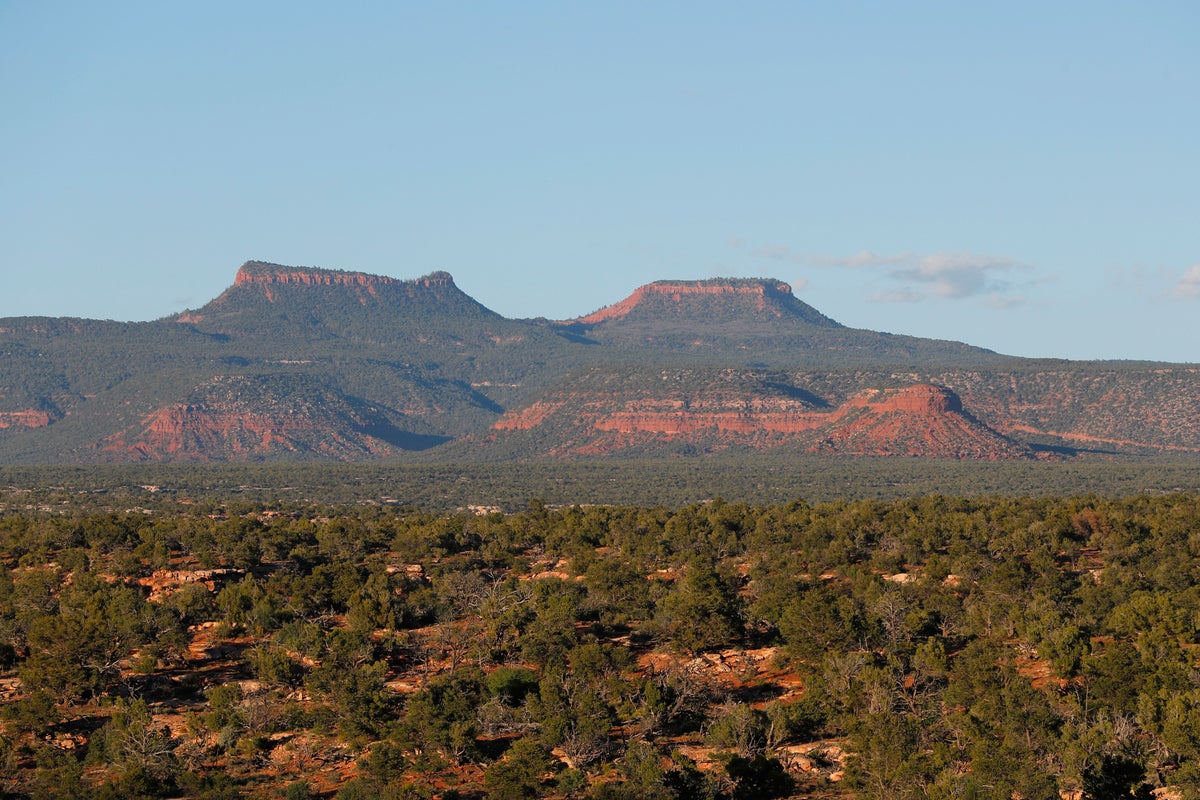
When the White House moved this summer to shrink Bears Ears and Grand Staircase-Escalante national monuments by roughly 90 percent, it triggered an immediate firestorm. Now, Patagonia has joined a coalition of Indigenous and environmental groups to revive legal battles first started years ago. They want the courts to block these massive reductions, arguing that a president simply lacks the legal muscle to undo monument protections created under the Antiquities Act. Don't forget to check out our recent coverage on this related article.
The core question driving this legal war is straightforward. Can a president erase what a previous administration protected?
Patagonia CEO Ryan Gellert didn't mince words when announcing the legal challenge. He called the decision a tragic betrayal of Tribal sovereignty that scraps years of delicate, groundbreaking work on public land management. Millions of acres of public ground that were safe from resource extraction are now open for business. At least nine mining claims have already popped up on lands that lost their protected status. To read more about the background of this, NBC News offers an in-depth summary.
Why should you care about a patch of desert in Utah? Because this fight sets a massive precedent for every single acre of public land in the United States. If executive orders can shrink monuments on a whim, no national park, wilderness area, or historic site is safe from the next political cycle.
The Antiquities Act of 1906 gave presidents the authority to reserve historic landmarks and structures. For over a century, presidents from both parties used it to protect land. But the text of the law contains a glaring omission. It says nothing about a president’s power to shrink or abolish an existing monument.
Legal experts have debated that silence for decades. Past administrations, including those of Barack Obama and Bill Clinton, used the law to establish massive tracts. Bears Ears holds a special place in this history. It was the very first national monument created at the direct request of Native American nations. The Hopi Tribe, Navajo Nation, Ute Mountain Ute Tribe, Ute Indian Tribe, and the Pueblo of Zuni fought hard for its designation.
Crucially, Bears Ears established a new standard for co-management. Native American nations worked side-by-side with federal agencies to care for sacred ground. That progress hit a brick wall when the first Trump administration slashed the boundaries, and those frustrations returned with the recent policy shift. Indigenous leaders point out that centuries of federal land dispossession were briefly countered by co-management plans, only to have that work shelved for political convenience.
Utah political leaders see it differently. Governor Spencer Cox and the state's congressional delegation cheered the downsizing. They argued that past Democratic administrations abused the Antiquities Act to lock up areas larger than the state of Delaware. State officials claim these multi-million-acre designations hurt local economies and choke off access to vital energy resources.
The Interior Department defended the white house policy by calling it commonsense conservation. Officials argued that the changes restore economic lifeblood, open recreation opportunities, and secure national independence through local resources.
Patagonia's involvement goes beyond selling jackets. The company famously changed its corporate structure to put the planet as its only shareholder, meaning its profits directly fund environmental battles. When they sue the federal government, it's not a publicity stunt. It's an extension of their business model.
The lawsuit seeks to reactivate old litigation from 2017. Those previous lawsuits were frozen when the Biden administration restored the monument boundaries. Now that the executive branch has reversed course again, the courts must decide the boundaries of presidential authority once and for all.
If you want to track how this impacts public lands, keep an eye on federal district courts in the coming months. Support organizations actively fighting for Indigenous land rights or participate in public comment periods when land management plans open up for review. Pay attention to how your local representatives vote on public land transfers. Protect the spaces you use before they end up on a mining lease.