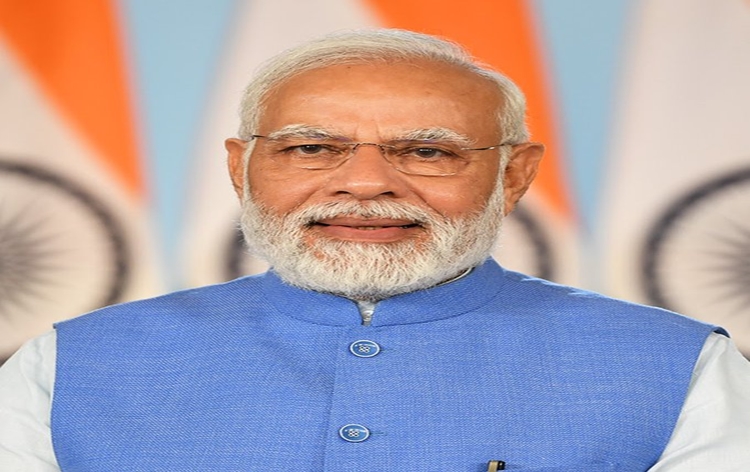
Indian Prime Minister Narendra Modi just landed in Paris for the final stretch of his multi-day European tour. Most media reports treat these state visits like a routine checklist of handshakes, photo ops, and stale press releases. They tell you he left the G7 Summit in Evian, packed his bags, and flew to the capital. They focus on the waving flags and the shouting crowds at the hotel.
That view misses the real story completely. This is not just another diplomatic stop. It is a carefully timed play to position India at the center of the global technology map.
The relationship between Paris and New Delhi is shifting from traditional defense deals toward something entirely different. They are building an alliance centered around artificial intelligence and deep technology infrastructure. If you want to understand where global tech policies are actually being made right now, look at what is happening between these two nations.
From the G7 in Evian to the Streets of Paris
Before touching down at the airport, the Prime Minister spent two intense days at the G7 Summit in Evian. Western media often paints these summits as exclusive clubs where wealthy nations dictate global rules. India keeps showing up to disrupt that narrative.
During the dedicated sessions on technology, the conversation focused heavily on establishing common guardrails for building and deploying software systems safely. The Indian delegation presented what they call the MANAV Vision. The idea is simple but tough to execute. It demands that software engineering practices prioritize safety by design, using shared frameworks and testing rules so that smaller, developing nations do not get left behind.
The diplomatic back-and-forth in Evian also brought some unexpected political theater. On the sidelines of the main meetings, US President Donald Trump gave a remarkably candid assessment of the Indian leader. Trump publicly described him as a tough negotiator. He noted that behind the calm public exterior lies a fierce political operator who knows exactly how to protect his country's economic interests. That blunt admission highlights a growing reality. Western leaders no longer see India as just a massive consumer market. They see it as an aggressive competitor on the global stage.
Betting Heavy on VivaTech 2026
The true focal point of the Paris trip is VivaTech 2026, which is Europe's absolute largest startup and technology exhibition. This year, India took over the single largest national pavilion at the entire venue. That is a massive statement of intent.
The agenda in Paris focuses on getting capital into the hands of working engineers. The scheduled meetings connect top French venture capitalists and corporate executives directly with Indian innovators. This is where the real work happens. It is about locking down funding for early-stage enterprise software and finding paths to scale manufacturing operations globally.
The two countries have officially designated 2026 as their joint Year of Innovation. They are attempting to link Paris's deep pools of institutional venture capital with India's massive army of software engineers. The strategy relies on mutual survival. European tech firms are desperately looking for engineering talent to compete with Silicon Valley. Indian startups need sophisticated European regulatory expertise to enter western markets cleanly. It is a practical trade.
The Diaspora Factor Is Not Just for Show
When the plane taxied in, hundreds of people from the local Indian community lined up outside the hotel. Cultural groups like the Dhoad Gypsies of Rajasthan traveled in to perform traditional music. It looked like a festival.
Political critics often dismiss these high-profile diaspora rallies as expensive public relations exercises. That is a naive way to look at modern soft power. The Indian diaspora in mainland France stands at roughly 119,000 residents, with another 350,000 living across French overseas territories. These are not just spectators. They are highly educated professionals working inside Europe's top aerospace firms, medical research labs, and financial institutions.
When a prime minister spends an entire evening speaking directly to these communities, it keeps them tied to the economic goals back home. These professionals act as the actual bridge for technology transfers, intellectual property deals, and early-stage investments. They are a living extension of a nation's foreign policy.
What Happens Right Now
The economic map is changing fast. If you are tracking international business or global tech investments, the old assumption that everything important happens between Washington and Beijing is officially dead. This specific bilateral track bypasses the standard corporate channels entirely.
The next immediate steps for enterprises watching this space are clear. Keep an eye on the joint regulatory frameworks coming out of the VivaTech announcements this week. They will likely dictate how software compliance works across the European Union and South Asia for the next decade. Pay attention to the venture capital flows moving between Paris and Bengaluru. The funding commitments made in these private hotel suites over the next forty-eight hours will shape the next generation of independent enterprise tech companies.