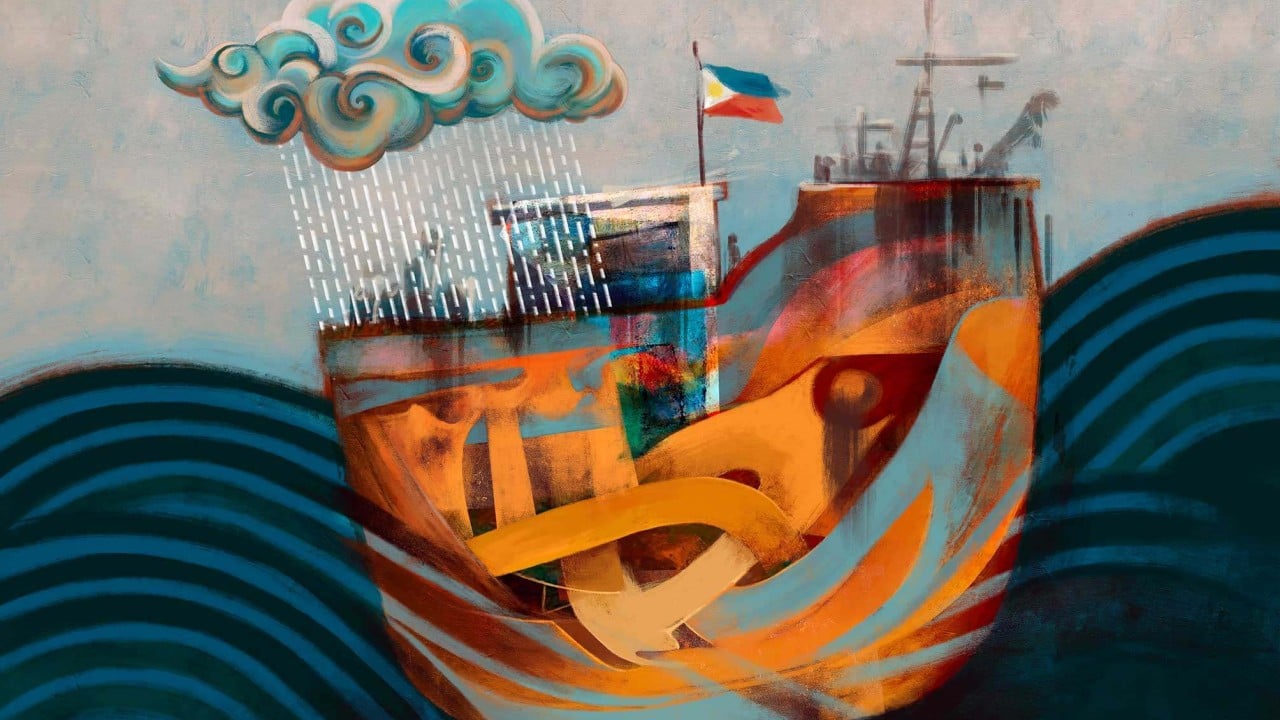
Handshakes and verbal understandings don't stop coast guard ships from ramming each other near Second Thomas Shoal. If you want peace in the South China Sea, you need binding ink on actual paper. Right now, Beijing and Manila rely far too much on spoken words that get twisted the second a patrol boat crosses an invisible line.
Diplomacy in this region has a massive trust deficit. Every time Philippine supply ships head toward the BRP Sierra Madre, local commanders hold their breath. They're playing a high-stakes game of chicken without a rulebook that both sides actually signed and respect. Words are cheap. Clear, enforceable maritime agreements are the only currency that matters. Discover more on a related topic: this related article.
The Cost of Ambiguity
Ambiguity breeds conflict. When maritime boundaries look like a messy puzzle, naval captains make split-second decisions that spark international crises. You can't run a multi-trillion-dollar trade route on vague interpretations of historical maps.
Let's look at what actually happens on the water. Fishermen lose their livelihoods while diplomats argue over semantics. Ships get water-cannoned. Equipment gets damaged. All because nobody bothered to write down a precise definition of what constitutes a provocation. Additional analysis by USA.gov explores similar views on the subject.
Here is why verbal treaties fall apart under pressure:
- Governments change and disavow past oral understandings.
- Domestic political pressure forces leaders to look tough.
- Local operational commanders interpret vague rules differently.
You've got modern warships bumping hulls in waters rich with natural gas and vital fishing grounds. Relying on gentleman's agreements in this kind of environment is sheer recklessness.
Why Code of Conduct Talks Crawl
ASEAN and China have spent decades talking about a Code of Conduct. Decades. Meanwhile, land reclamation transforms reefs into military outposts practically overnight.
The negotiation process moves at a snail's pace because neither side wants to lock themselves into a corner. Beijing prefers bilateral talks where they hold all the economic cards. Manila leans on international law, specifically the 2016 arbitral ruling that invalidated sweeping historic claims.
Neither approach works in isolation. Bilateral pressure crushes the smaller nation, while purely legal victories gathering dust in courtrooms don't stop physical blockades. You need a middle ground where practical, written protocols govern daily interactions at sea.
What Real Written Agreements Must Include
If diplomats want to fix this mess, they have to stop drafting useless non-binding declarations. Declarations are nice PR exercises, but they lack teeth.
Real agreements require strict operational constraints. They need to outline minimum safe distances for vessels. They need dedicated, secure communication channels between naval headquarters that actually get answered on the first ring.
- Clear Right-of-Way Rules: Stop guessing who yields when two patrol craft meet near a disputed feature.
- Defined Supply Procedures: Codify how resupply missions to grounded outposts happen without interference.
- Independent Dispute Mechanisms: Establish third-party oversight to review maritime incidents quickly before misinformation spreads online.
Moving Past the Status Quo
Ignoring the problem won't make it go away. The current cycle of escalation and temporary de-escalation wastes billions of dollars and puts thousands of lives at risk.
You need to push for transparency at every level of maritime governance. Demand that leaders trade closed-door ambiguity for public, verifiable commitments. The alternative is waiting for a miscalculation that spirals out of control. Write the rules down, sign them, and enforce them.