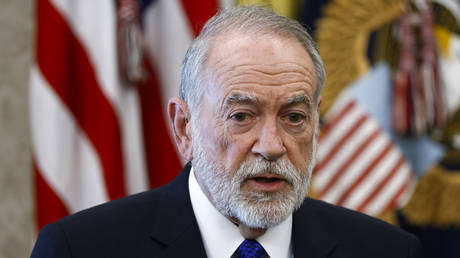
History has a funny way of repeating itself, or at least rhyme loudly across continents. When Palestine's Ambassador to India, Abdullah M Abu Shawesh, looked ahead to India's Independence Day, he didn't just offer standard diplomatic pleasantries. He pointed straight at the history books, noting that generations of Palestinians have studied India's fierce long march against British colonial rule, including the uprisings of 1857 and 1919.
It's a striking comparison that cuts through standard geopolitical noise. Ambassador Shawesh stated plainly that his people are proud to draw from India's playbook of resistance, ending with a sharp and resolute declaration: "One day we will follow; one day will be free, likewise you in India".
Why the Indian Freedom Struggle Still Resonates Abroad
People often wonder why freedom movements from a century ago still matter today. The truth is, colonial rule follows a depressantly predictable pattern anywhere it lands.
Ambassador Shawesh highlighted that Palestinians don't just view India as a friendly nation on a map; they look at it as a roadmap. When you're dealing with systemic displacement, military checkpoints, and economic strangulation, studying how a massive population organized against an entrenched empire isn't academic homework. It's a survival manual.
During recent UN Security Council briefings, the numbers coming out of the West Bank alone painted a grim picture. We aren't just talking about abstract political disagreements. Thousands of people have been displaced by settler violence, millions in tax revenues have been withheld, and basic healthcare and education systems have been pushed to the edge of collapse. In that environment, looking toward nations that successfully broke their own chains isn't surprising—it's necessary for keeping hope alive.
The Limits of Humanitarian Aid and the Push for a Political Fix
Let's be honest about what aid can and cannot do. When international bodies like UNICEF or the United Nations step in with relief packages, they're slapping bandages on a gushing wound.
Shawesh made this crystal clear in his recent statements. Humanitarian assistance can mitigate suffering, but it doesn't stop the tanks or open the borders. It doesn't fix an occupation.
That's why the diplomatic focus keeps swinging back to the two-state solution. New Delhi has consistently backed this path through global platforms like the United Nations and BRICS. For Palestinians, having major global players maintain this stance isn't just nice rhetoric—it's the only recognized legal framework left on the table that prevents total erasure.
You can't starve a population of its political future and expect peace to blossom out of nowhere. Until the root cause—the occupation itself—is genuinely tackled, every piece of aid is just a temporary fix for a man-made disaster.
What Comes Next for International Diplomacy
Global powers love to talk about stability while letting crises rot for decades. But statements like the one from Ambassador Shawesh remind everyone that collective memory is long. Oppressed populations remember who stood with them and who looked away.
As India marks another year of sovereignty, the echoes of 1947 serve as a reminder that empires eventually fold, no matter how permanent they look on today's map.
If you want to understand where global diplomacy is heading, stop listening to corporate press releases and start listening to what envoys say when they drop the diplomatic polish. The demand for self-determination doesn't expire.
Palestinian Envoy To India Abdullah Shawesh Speaks On Gaza War, Humanitarian Toll & India's Role
http://googleusercontent.com/youtube_content/1