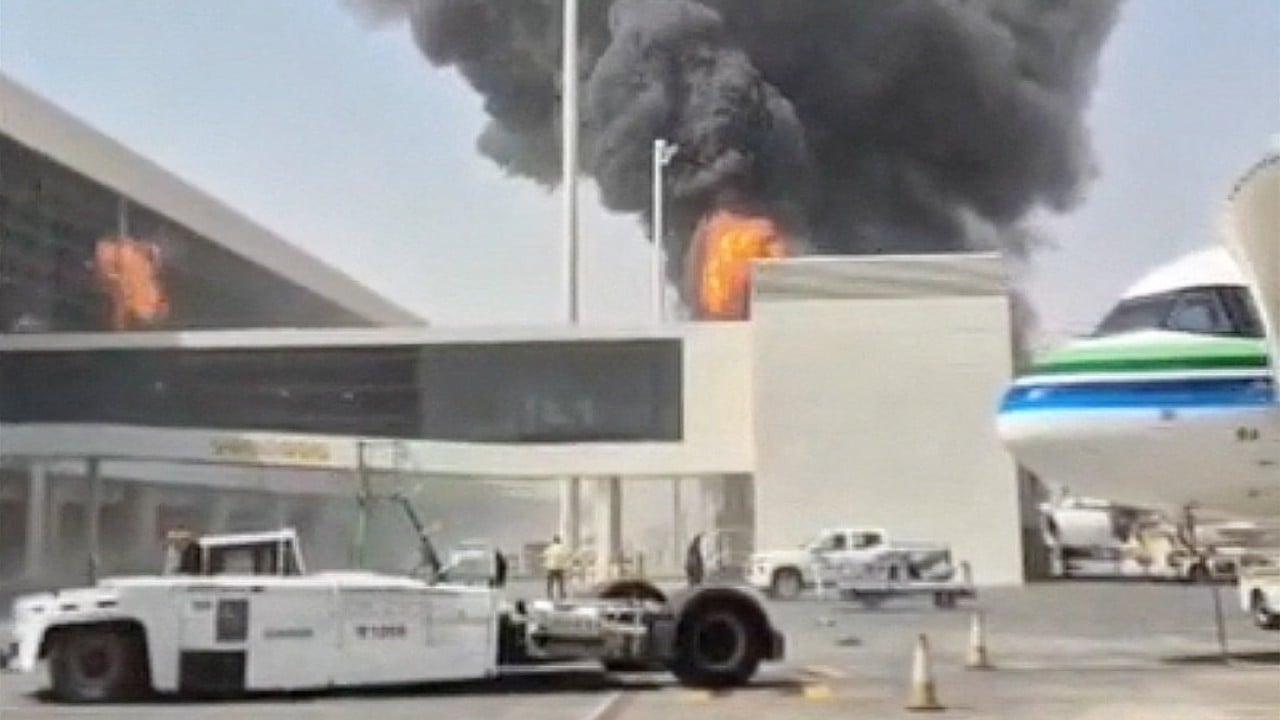
When regional security fractures, traditional alliances face a brutal reality check. For months, escalating drone and missile barrages launched by Yemen's Houthi movement have tested Gulf air defenses to their absolute limits. Facing acute shortages of Western-made interceptors, Saudi Arabia has had to look far beyond Washington and traditional European suppliers to secure its airspace. The kingdom's recent turn toward non-traditional partners reveals a massive shift in Middle Eastern defense architecture, where equipment built in Beijing and deployed by Islamabad is stepping in to fill the void.
You might wonder why Saudi Arabia is suddenly relying on Pakistan and Chinese-made military hardware. The answer comes down to pure operational necessity and resource scarcity. Western defense manufacturing lines are completely backlogged, and stockpiles of high-end interceptor missiles have dwindled amid multiple global conflicts. When threats multiply faster than replenishment rates, you take defense systems wherever you can find them. Pakistan, long equipped with advanced Chinese defense systems such as the HQ-9 air defense network and JF-17 fighter jets, has stepped up to offer tangible military backing to Riyadh.
Integrating foreign hardware into an existing, heavily Western-aligned defense grid isn't simple. Saudi military infrastructure has spent decades relying on American Patriot batteries and European radar systems. Bringing in Chinese-origin equipment flown or operated with Pakistani assistance means managing complex interoperability hurdles. Yet, when airport facilities are burning and airspace faces active threats, armies find creative ways to make disparate systems talk to each other.
The presence of Chinese military technology in Middle Eastern skies also signals a wider geopolitical pivot. Beijing has steadily expanded its footprint across the Gulf through diplomatic mediation and major economic deals, but defense cooperation remained a sensitive boundary. Now, by proxy through Pakistan's military exports and joint security pacts, Chinese-engineered missiles and radar platforms are actively deployed in defense of Saudi territory. This creates an ironic twist in modern arms markets. Western nations spent decades trying to block Chinese defense dominance, only to watch supply chain bottlenecks push Gulf capitals straight into Beijing's broader defense ecosystem.
Critics often question whether these secondary systems can truly match the performance of elite American or European interceptors. In actual combat conditions over the Arabian Peninsula, theoretical specs matter less than operational availability. If an HQ-9 battery can successfully track and destroy an incoming ballistic threat when Patriot inventories are running dry, it proves its worth instantly. Modern warfare rewards pragmatism over brand loyalty.
Riyadh's defense strategy moving forward will likely remain diversified, combining remaining Western platforms with newly proven regional assets. Watch for an acceleration in joint military exercises between Pakistan and Gulf states, as well as tighter coordination on defense production and maintenance sharing. The monopoly of Western arms supremacy in the Middle East is fading, replaced by a messy, multipolar reality where survival dictates every procurement choice.