International diplomacy gets dirty, but Islamabad just took things to a whole new level.
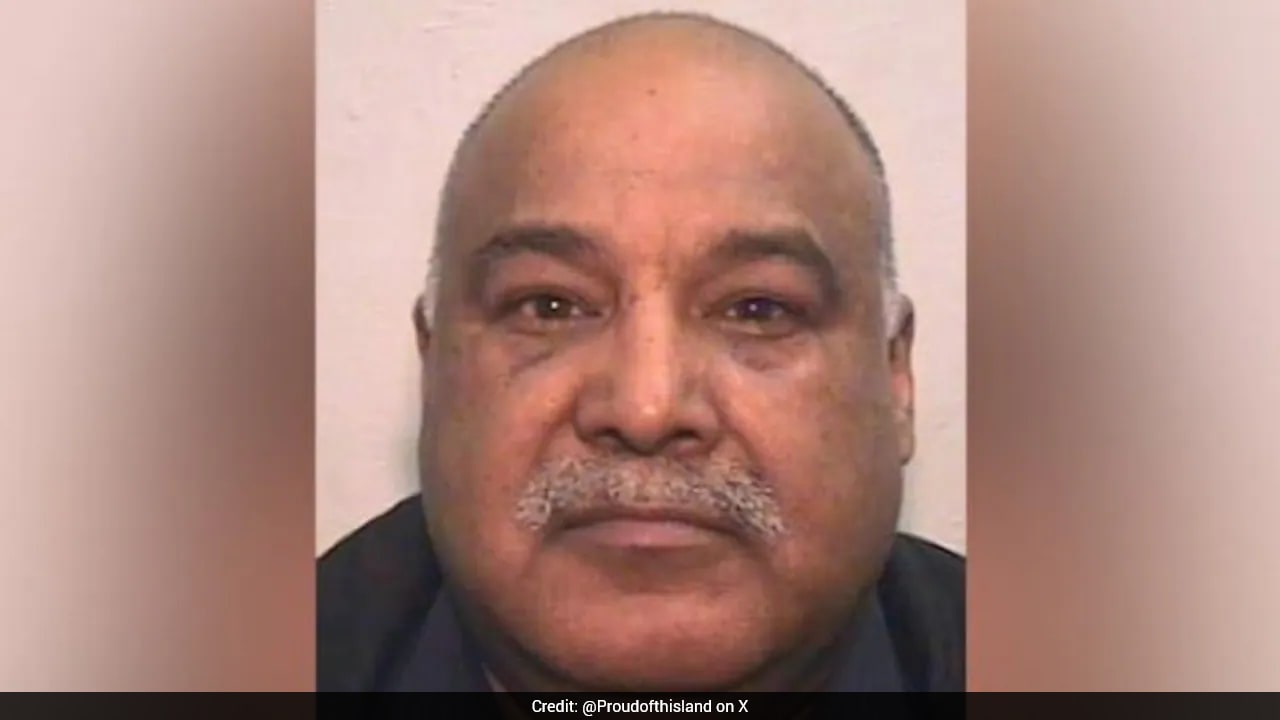
The Pakistani government is using a notorious, convicted child rapist from Britain's infamous Rochdale grooming gang scandal as a literal bargaining chip. They've told the United Kingdom that if London wants them to accept the deportation of 73-year-old Shabir Ahmed, Downing Street needs to start handing over political dissidents.
It's a jaw-dropping demand. Instead of a straightforward conversation about removing a man convicted of 30 horrific child rape offences, Islamabad is tying his repatriation directly to the extradition of critics who speak out against Pakistan's powerful military establishment and its army chief, Asim Munir.
The Shocking Deal On The Table
For nearly a year, British and Pakistani officials have been quietly battling over what to do with Shabir Ahmed. Known to his victims by the chilling moniker "Daddy," Ahmed was a ringleader of the grooming gang that preyed on vulnerable young girls in Rochdale. He was jailed in 2012 and served 14 years before his recent release on licence.
Britain wants him gone. Ahmed was stripped of his British citizenship back in 2016. But sending him back to his country of birth has hit a massive geopolitical brick wall.
Initially, Islamabad refused flatly. Their ministers publicly argued that Ahmed renounced his Pakistani nationality decades ago. They claimed he hadn't held a Pakistani passport since he was a teenager and basically told the UK to deal with its own trash.
Now, the tone has shifted. A senior Pakistani official confirmed to The Telegraph that Islamabad is willing to think "out of the box" and bypass standard procedures. The catch? The UK must listen to Pakistan's demands regarding political activists living safely in London.
Who Islamabad Is Really After
Pakistan's wishlist of targets isn't a secret. The state is aggressively hunting down vocal critics of General Asim Munir's regime and the military-backed government. Top of that list includes:
- Shahzad Akbar: The former asset recovery minister and close aide to ousted Prime Minister Imran Khan.
- Adil Raja: A former military officer turned YouTuber and digital journalist who frequently leaks anti-establishment intelligence.
- Altaf Hussain: The London-based founder of the Muttahida Qaumi Movement (MQM), who has lived in British exile for decades.
Last winter, Pakistan formally demanded the extradition of Akbar and Raja, accusing them of spreading "fake news" and running anti-state propaganda. British authorities ignored the requests, citing human rights protections and freedom of speech laws.
Islamabad is furious about that. They accuse the UK of blatant double standards, arguing that British soil is being used to destabilize Pakistan while London hides behind the shield of free speech.
"Pakistan cannot be railroaded into agreeing to terms and conditions that are suitable only to the UK," a Pakistani official stated. He even claimed the UK tried to threaten visa restrictions and aid cuts to force their hand.
The Windrush Loophole Protecting A Monster
You're probably wondering how a man stripped of his British citizenship is walking around the UK instead of sitting on a plane. It comes down to a massive legal loophole.
Ahmed arrived in Britain from Punjab in 1967 when he was just 14. Because he arrived before January 1, 1973, he is technically protected by Section 7 of the Immigration Act 1971. This specific provision was originally designed to protect the rights of Commonwealth citizens—most notably the Windrush generation—who had settled legally in the UK.
Because of that decades-old law, British authorities can't just deport him without navigating a maze of legal challenges. It's an absolute mess.
Alex Norris, Britain's minister for border security and asylum, recently admitted to the House of Commons that "all options are on the table," including rushing emergency legislation through Parliament to repeal the relevant sections of the 1971 Act.
What Happens Next
Britain faces a terrible choice. If they change the law to allow Ahmed's deportation, they still need a country willing to take him. If they cave to Pakistan's "out of the box" deal, they compromise their own legal system by trading political asylum seekers for a rapist.
Expect the UK government to push forward with emergency domestic laws to strip away historical Commonwealth protections for serious criminals. At the same time, look out for the UK leveraging strict visa sanctions against Pakistani officials if Islamabad continues to use a child abuser to play diplomatic poker. Don't expect London to hand over General Munir's critics anytime soon; doing so would set a dangerous precedent that completely breaks British extradition law.