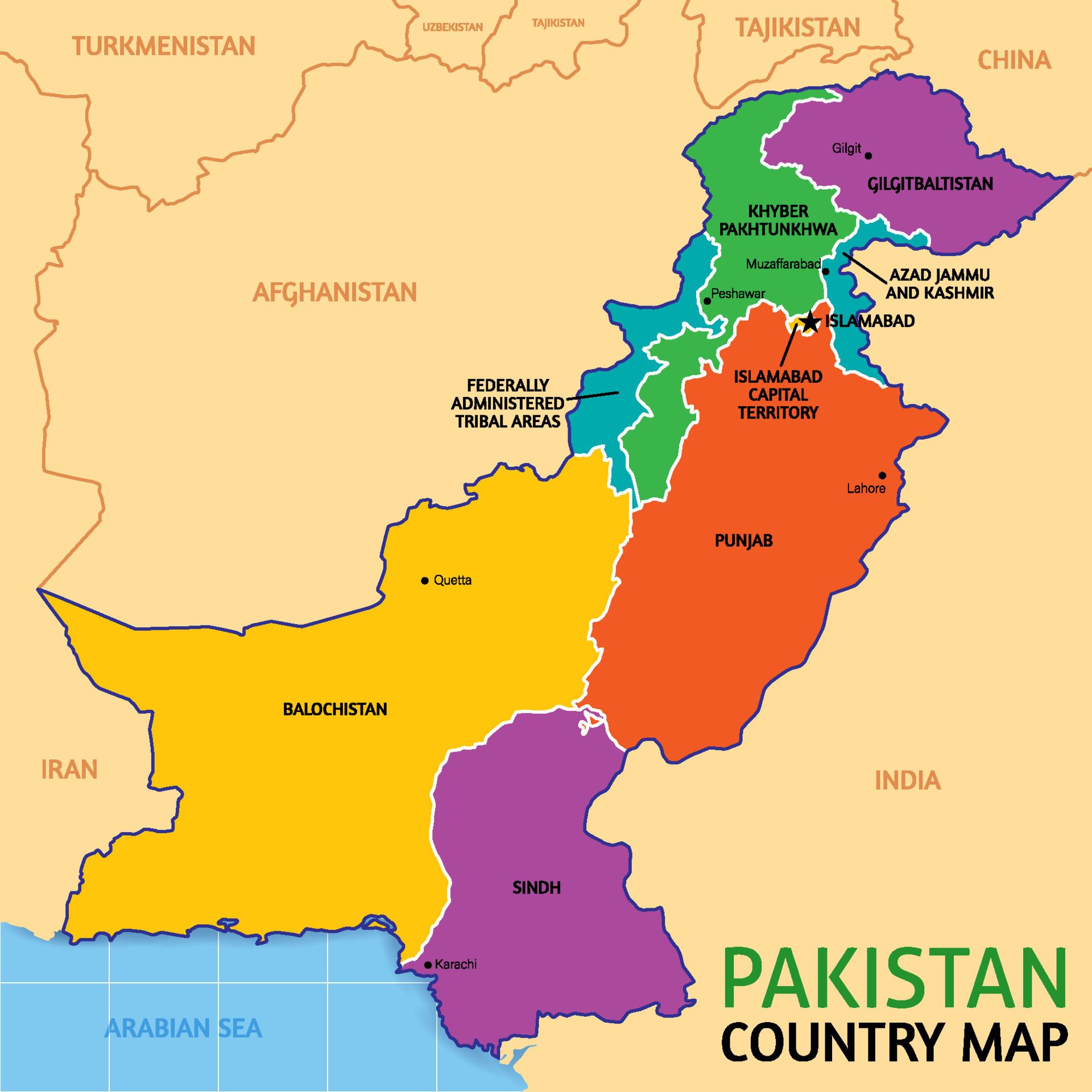
When fighter jets roar across the Durand Line to drop ordnance on eastern Afghan provinces, Islamabad tells the world a simple story. They claim it is self-defense. They argue they are hunting down the Tehreek-e-Taliban Pakistan, known widely as the TTP.
If you stop there, you miss the entire board. If you found value in this post, you might want to read: this related article.
The military campaign unfolding between Pakistan and Afghanistan is not a routine counterterrorism sweep. It is a calculated collision of historical miscalculations, shifting regional power dynamics, and long-term geopolitical ambitions. Pakistan’s cross-border attacks on Afghanistan are about structural dominance, state survival, and a decades-old doctrine that has finally broken under its own weight.
The Myth of the Single Threat
For years, official statements from Rawalpindi and Islamabad have blamed all domestic security failures on safe havens across the Afghan border. True, the TTP uses rugged frontier terrain to stage bloody attacks inside Pakistan. But blaming the entire crisis on a militant faction ignores how that faction was born. For another look on this event, refer to the recent update from The Guardian.
The roots of the TTP go back to native Pakistani insurgencies, such as the 1994 uprisings in Swat led by local clerics long before the Afghan Taliban ever recaptured Kabul. For decades, the Pakistani establishment maintained a rigid policy of categorizing militant groups into useful assets and dangerous enemies. While the state looked the other way or actively abetted proxies to pressure Kabul and counter India, militant infrastructure expanded unchecked.
When the Afghan Taliban swept back to power in 2021, many in Islamabad expected a grateful, obedient administration in Kabul. That expectation turned out to be a fantasy. Instead of cracking down on ideological brethren to please Islamabad, the Afghan Taliban chose pragmatic independence. They refused to act as Pakistan's border guards.
Strategic Depth Has Turned Into Strategic Nightmare
For generations, the holy grail of Pakistan's military planners was acquiring strategic depth against India. The idea was simple: if a conventional war broke out with New Delhi, the military could retreat, regroup, and manage logistics from friendly Afghan territory.
That theory is dead.
By helping nurture Islamist insurgencies across the region for strategic utility, Pakistan built a monster it can no longer control. The blowback has arrived in the form of relentless domestic bombings in cities like Islamabad, Peshawar, and Quetta. The current military escalation is an attempt by a pressured state to regain face and force Kabul into submission.
Yet, bombing sovereign territory and hitting urban centers—such as the devastating strikes reported by human rights monitors—fails to eliminate top insurgent commanders. Instead, it unites local Afghan populations against Pakistan, militarizes the border further, and pushes the Afghan Taliban closer to hedging their bets against Islamabad.
What Happens Next
Security analysts watching the frontier know that conventional airstrikes will not solve a political failure. The Afghan Taliban cannot crush the TTP entirely without risking mass defections of their own hardliners to rival factions like Islamic State Khorasan Province. At the same time, Pakistan’s political and military leadership faces a furious public that demands visible security after every major civilian casualty event at home.
Until Islamabad abandons the illusion that it can dictate terms across the border through brute force, the cross-border conflict will keep escalating. The air raids are loud, but they are symptoms of a deeper structural collapse.
Stop looking at just the TTP. The real war is over who controls the future of the frontier.