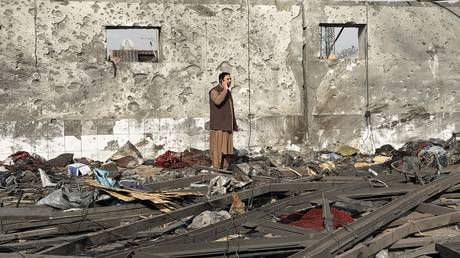
Cross-border tensions just escalated in a major way. Pakistan carried out fresh drone strikes in Afghanistan, targeting ten distinct locations in a single sweep.
If you've been watching South Asian geopolitics, you know this friction isn't new. But launching aerial operations across a sovereign border hits differently. It signals a complete breakdown of diplomatic channels between Islamabad and the Taliban administration in Kabul. If you found value in this piece, you should read: this related article.
Let's break down what's actually happening, why these strikes are taking place right now, and what they mean for regional stability.
The Breaking Point Behind the 10-Location Strikes
Ten locations. That is a massive operational footprint for a targeted cross-border raid. For another perspective on this development, refer to the recent update from BBC News.
Pakistan's military establishment has run out of patience. For months, Islamabad has accused Kabul of harboring militant groups—specifically the Tehreek-e-Taliban Pakistan (TTP)—who use Afghan soil to launch attacks inside Pakistani territory.
Kabul denies it. Yet the border casualties keep mounting.
When intelligence points to safe havens just across the Durand Line, Islamabad feels forced to act. These aren't isolated skirmishes anymore. They are systematic aerial campaigns designed to dismantle insurgent logistics hubs before they can strike urban centers in Pakistan.
Why Afghanistan Is Reacting So Fiercely
You can't bomb a neighbor's territory without immediate blowback.
The Taliban government views these drone strikes as a direct violation of Afghan sovereignty. They've warned of severe consequences. To Kabul, letting foreign drones operate with impunity undermines their legitimacy. They fought for decades to kick foreign military power out of Afghanistan. Seeing drones buzz through their airspace feels like history repeating itself, even if the operators are regional neighbors rather than Western powers.
Locals on the ground pay the highest price. Every time a strike hits, civilian displacement grows. Anti-Pakistani sentiment surges among ordinary Afghan citizens who might otherwise stay neutral in these high-level political feuds.
The TTP Factor That Nobody Wants to Solve
At the center of this storm lies the TTP.
Pakistan expected the Afghan Taliban to crack down on these fighters after the regime retook Kabul. That expectation turned out to be wildly optimistic. Ideological ties run deep. The Afghan Taliban and the TTP share a similar worldview and historical alliance.
Asking Kabul to hunt down their former ideological brothers is a hard sell. Because the Taliban leadership refuses or fails to dismantle these networks, Pakistan has taken matters into its own hands.
It creates a vicious cycle.
- Militants cross over to attack Pakistani security posts.
- Islamabad retaliates with artillery or drone strikes inside Afghanistan.
- Kabul condemns the violation of sovereignty and hardens its stance.
- Cooperation collapses completely.
Where This Conflict Heads Next
Don't expect a diplomatic breakthrough anytime soon.
Both sides are locked into domestic political realities that reward hardline posturing. Pakistan's leadership faces immense pressure from a restless domestic population tired of surging terrorism. Meanwhile, the Taliban in Kabul cannot afford to look weak against external aggression without losing face among their internal hardliners.
When two governments run out of diplomatic options, bullets and drones fill the silence. The ten-location strike marks a stark escalation, proving that the frontier remains one of the most volatile flashpoints on the planet right now. Monitor developments closely, because a miscalculation in the borderlands could easily trigger open conventional conflict.