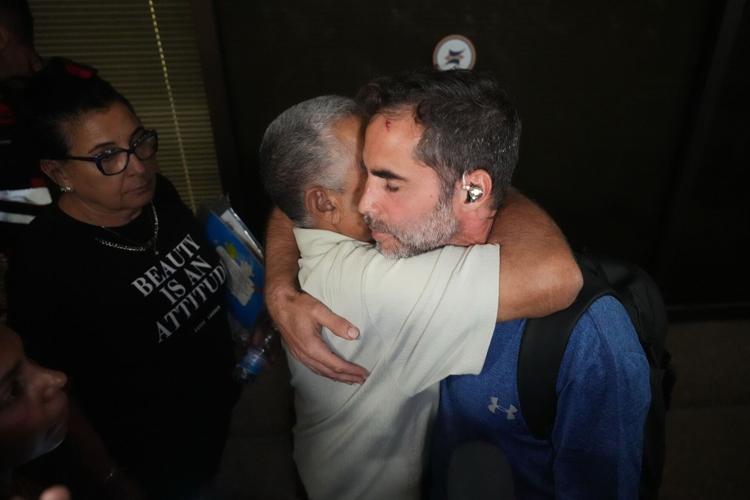
A commercial cockpit is supposed to be a sanctuary of absolute calm and precision. On a Flydubai flight from Dubai to Tel Aviv, that sanctuary turned into a bloody battleground when a co-pilot launched a sudden, vicious knife attack against Captain Smit Machchhar.
Bleeding heavily and fighting for his life at 35,000 feet, the Indian pilot did something extraordinary. He managed to unlock the cockpit door just before his strength gave out, enabling flight attendants and passengers to overpower the attacker and safely land the Boeing 737 at Tabuk Airport in Saudi Arabia. For a deeper dive into similar topics, we suggest: this related article.
Captain Machchhar's quick thinking averted what global leaders are now calling a potential catastrophe.
The Anatomy of a Cockpit Crisis
Commercial aviation relies heavily on strict protocols and the "two-person rule" inside the flight deck. Yet, no manual completely prepares a crew for a rogue colleague turning a physical weapon against the pilot flying the aircraft. For further details on this topic, extensive analysis is available on Al Jazeera.
Mid-air emergencies usually involve engine failures, severe weather, or cabin pressure drops. Human hostility inside the secure flight deck is rare, terrifying, and extraordinarily difficult to defend against. When the co-pilot drew a blade and started stabbing Captain Machchhar, the veteran aviator faced an immediate choice between panic and survival.
With over 13 years of commercial aviation experience under his belt—including 9,750 flying hours and a long stint as a Line Training Captain at SpiceJet—Machchhar kept his composure. He didn't just fight back against the immediate physical assault; he kept his focus locked on the safety of the 174 passengers behind the reinforced cockpit door. By ensuring the flight deck remained accessible to the crew during the struggle, he paved the way for immediate intervention.
Global Fallout and High-Level Recognition
The incident sent shockwaves through international aviation circles. Israeli Prime Minister Benjamin Netanyahu publicly praised the Indian pilot during a media interview, explicitly stating that Machchhar’s heroism prevented a catastrophe comparable to the September 11 attacks.
Back home in India, the response was swift and deeply personal. Prime Minister Narendra Modi placed a direct phone call to Machchhar's family—his father Bhupendrabhai, mother Gitaben, and wife Sonalben—to check on the pilot's condition and express national solidarity. Gujarat Chief Minister Bhupendra Patel announced that the state government will honour the captain with the prestigious Vsisht Gujarat Garima Award for his unparalleled bravery.
Following initial emergency treatment in Saudi Arabia, arrangements were finalised to airlift Captain Machchhar to Abu Dhabi for advanced medical care. Security analysts and political figures, including Union Minister Kirti Vardhan Singh, have since pointed out the alarming security implications of the attack, calling for tighter international vetting and security protocols across global commercial fleets.
What This Means for Future Air Travel
Incidents like the Flydubai flight force aviation authorities to re-examine cockpit security assumptions. For decades, the primary goal was keeping unauthorized outsiders out of the flight deck. Strengthened doors and rigid lockout codes became the global standard after 2001.
This event exposes the terrifying blind spot of that design: what happens when the threat originates from inside the locked room?
Airlines and regulatory bodies now face difficult questions regarding crew mental health screening, real-time monitoring of flight deck behavior, and emergency override mechanisms. While pilots undergo rigorous psychological evaluations during initial hiring and routine renewals, psychological deterioration or sudden violent episodes remain exceptionally difficult to predict.
Captain Machchhar’s recovery is ongoing, but his legacy in modern aviation history is secure. His split-second decisions transformed a targeted assassination attempt into a masterclass in crisis management.
Pay attention to how airlines adapt their internal security measures over the coming months. The next evolution of cockpit safety is already being written.