Imagine sitting in business class on a commercial jetliner, looking forward to landing, when a horrific scream pierces the cabin air: "They're stabbing the pilot!"
That nightmare became reality aboard Flydubai Flight FZ1073 from Dubai to Tel Aviv. Mid-air chaos erupted when the co-pilot allegedly turned on the captain in an apparent attempt to crash the aircraft. With 174 passengers onboard and the plane plunging toward the desert, Indian Captain Smit Machchhar did something extraordinary. Despite severe stab wounds, he managed to unlatch the cockpit door. Passengers rushed in, subdued the attacker, and pulled the aircraft out of a terrifying dive before it made an emergency landing in Tabuk, Saudi Arabia.
Captain Machchhar's quick thinking averted what could have been a catastrophic tragedy. Let's look at what actually happened at 35,000 feet and why this mid-air crisis reveals terrifying vulnerabilities in modern commercial aviation security.
Inside the Cockpit of Flydubai Flight 1073
Commercial aviation relies on a strict two-person flight deck rule for a reason. Redundancy is supposed to guarantee safety. When one pilot is incapacitated, the other takes over. But what happens when the threat comes from inside the flight deck itself?
That is the exact nightmare scenario that played out on Flight FZ1073. According to passenger accounts and reports from Israeli and Saudi authorities, the co-pilot launched a sudden, violent knife attack on Captain Machchhar. The aircraft immediately entered a sharp, terrifying dive. Passengers described looking out the window and watching the desert ground rush toward them at a sickening speed.
Security protocols inside modern cockpits are designed to keep unauthorized people out. Ironically, those exact reinforced doors nearly trapped the passengers and crew on the wrong side of a locked barrier while a violent struggle took place inches away.
Captain Machchhar was bleeding heavily and fighting for consciousness. Yet, in his final reserve of strength, he managed to reach the manual release and crack open the cockpit door. That single action saved 174 lives.
The Heroism That Saved 174 Lives
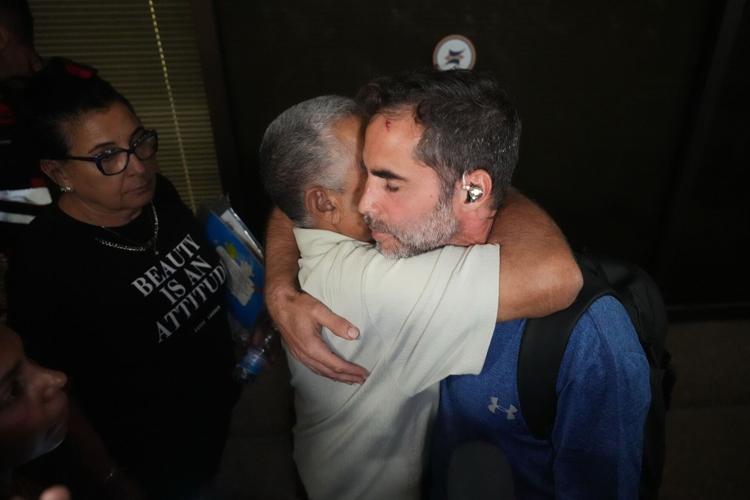
When the cockpit door popped open, passengers didn't hesitate. Tzvika Manes, a business class passenger and bank executive, heard his wife screaming near the front and immediately jumped into action alongside other brave travelers. They swarmed the flight deck, physically overpowered and restrained the co-pilot, and stopped the aircraft from hitting the ground.
The plane diverted rapidly to Tabuk Airport in northwestern Saudi Arabia. Local medical teams rushed the wounded captain to a hospital, where he was listed in stable condition after undergoing surgery.
World leaders quickly took notice. Indian Prime Minister Narendra Modi praised Captain Machchhar publicly, expressing gratitude and sending prayers for his recovery. Israeli officials and international leaders also hailed the Indian aviator as a true hero. Back home in Mumbai and his native Gujarat, neighbors and local officials celebrated his incredible courage.
What This Incident Means for Aviation Security
Incidents like this force hard questions about airline safety protocols. For years, the aviation industry focused almost entirely on locking out threats from the passenger cabin. Reinforced cockpit doors became standard practice worldwide following the September 11 attacks.
But insider threats present an entirely different challenge. How do you stop a pilot who snaps?
Airlines run psychological evaluations, background checks, and routine medical screenings. However, sudden radicalization, personal mental health crises, or acute psychological breaks can bypass even the most rigorous vetting systems. When the person sitting across from you in the narrow confines of a flight deck turns hostile, your safety margins shrink to zero in seconds.
Captain Machchhar survived because of sheer grit, professional discipline, and brute physical resilience. Most pilots train for engine failures, severe weather, and electrical fires. Few train to fight off a co-pilot wielding a knife while maintaining enough composure to unlock the flight deck door.
The investigation into the attacker's motives and background is ongoing. Flydubai temporarily suspended its Israel routes while security audits take place. For the passengers who walked off that plane in Tabuk and eventually made it home to Israel, the flight will forever serve as a stark reminder of how fragile safety really is at 35,000 feet.
Captain Machchhar's recovery will take time. The honors coming his way are entirely deserved. Aviation owes its safety to the people at the controls, and this week, one Indian captain proved that true heroism means fighting for your passengers until your very last ounce of strength is gone.