Another American service member is behind bars in Japan. Local outrage is boiling over once again.
On the southern island of Okinawa, the arrest of 20-year-old U.S. Marine Lance Corporal Devin Jacob Ballard on suspicion of strangling and robbing 39-year-old Anna Yagi has triggered a massive political shockwave. Japan's foreign ministry swiftly summoned the U.S. ambassador, demanding strict discipline and absolute cooperation. For residents who have lived alongside heavy American military footprints for decades, this tragic event is far from an isolated mishap. It opens raw, old wounds. For a more detailed analysis into similar topics, we suggest: this related article.
The Breaking Point in Okinawa
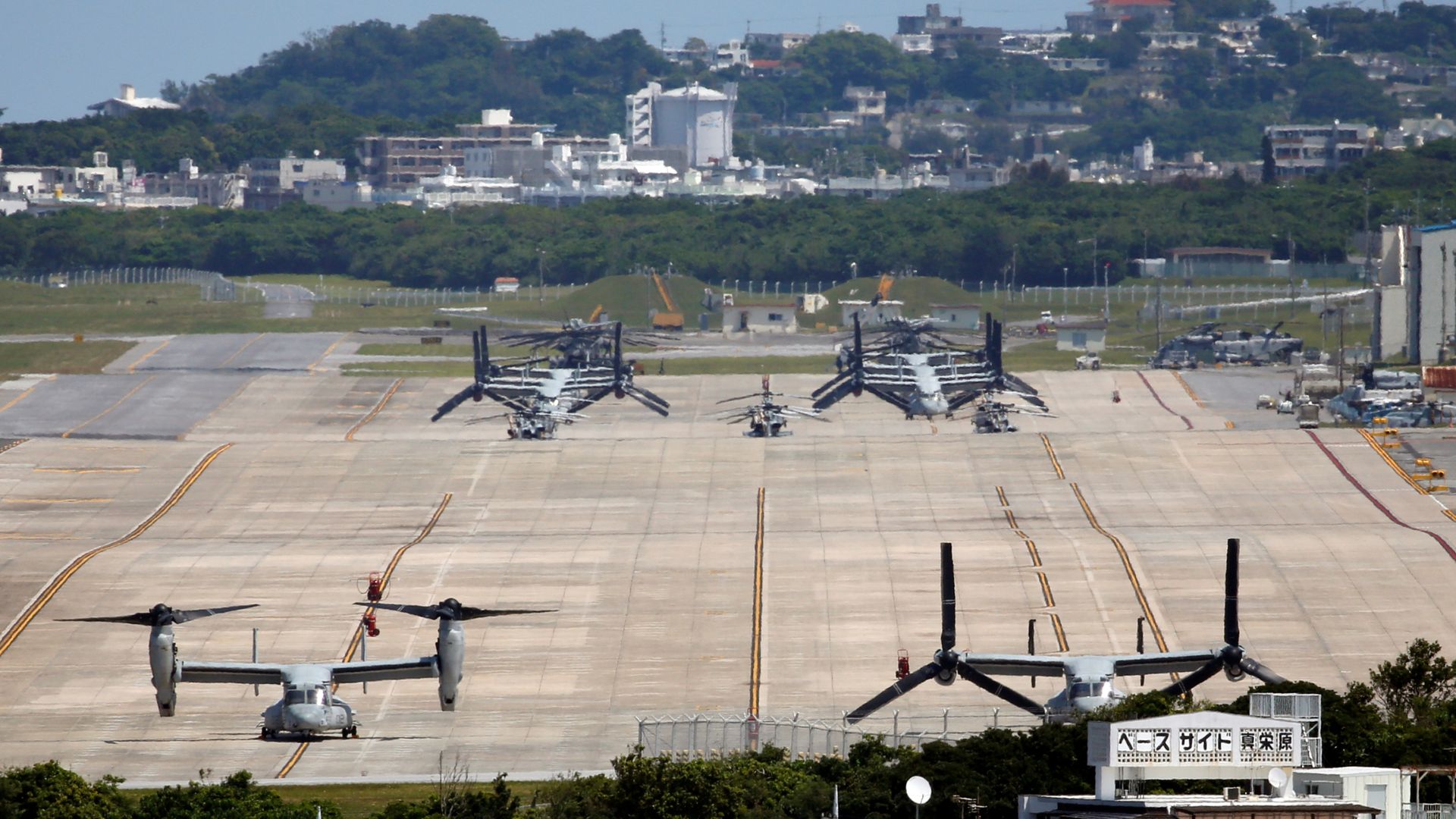
If you have never visited Okinawa, you might not grasp the sheer physical and psychological weight of the U.S. military presence there. More than half of the roughly 54,000 U.S. personnel stationed across Japan are crammed onto this single island. Okinawans shoulder the vast majority of the security burden for the entire bilateral alliance.
When crimes occur, the tension spikes immediately. Newly elected Okinawa Governor Genta Koja did not mince words, calling the murder an absolute outrage that inflicts deep fear onto a population already forced to live next to heavily militarized zones. Local residents in Naha and Okinawa City are asking a blunt question: how many times does this need to happen before real safety measures take hold? For additional details on this development, comprehensive reporting is available at Associated Press.
What Happened on the Ground
According to local police reports, the sequence of events moved quickly after a body was discovered in a Naha hotel room. Security camera footage allegedly captured Ballard entering the building with Yagi and leaving alone shortly after.
Patrolling officers spotted him later in an entertainment district in Okinawa City. His physical description—specifically his shaved head and distinct arm tattoos—matched the surveillance footage. Police arrested him on suspicion of murder and theft, accusing him of taking her wallet and backpack. Ambassador George Glass has since pledged full diplomatic and investigative cooperation, but promises from Washington rarely soothe local anger when a life has been lost.
The Geopolitical Fallout
This case hits at an intensely delicate time for Japanese defense policy. Prime Minister Sanae Takaichi has been pushing hard to ramp up military defense capabilities on the islands and tighten cooperation with Washington to deter regional threats.
Yet, incidents like this hand heavy ammunition to local activists and politicians who fight against base expansions, such as the contentious relocation project to Henoko. Every high-profile crime committed by a foreign service member complicates diplomatic relations and fuels local demands for the reduction or removal of these bases.
Moving Forward From Here
The legal process will now unfold through Japanese authorities, though status of forces agreements historically complicate jurisdiction and custody timelines. If you follow U.S.-Japan security dynamics, keep a close eye on how the military implements new disciplinary restrictions or curfew orders in the coming weeks. Real accountability requires systemic changes within base leadership, not just temporary bans on liberty or alcohol.
Justice for Anna Yagi and her grieving family demands a transparent investigation and an honest reckoning about how foreign military personnel are managed abroad.