Transparency dies when institutions panic. When the New South Wales Law Enforcement Conduct Commission (Lecc) revealed a last-minute legal bid by Police Commissioner Mal Lanyon to shut the public out of upcoming hearings, it didn't just delay an inquiry. It triggered a firestorm over accountability.
The stakes couldn't be higher. Operation Makalu, the watchdog's high-stakes investigation, centers on the chaotic February 9 anti-Herzog protest outside Sydney Town Hall. Viral footage from that day showed officers punching protesters repeatedly and grabbing Muslim worshippers mid-prayer. Ten officers and numerous demonstrators wound up injured. Thirty people faced charges, though courts have already dropped four.
Instead of welcoming daylight, top command tried to pull the curtains shut.
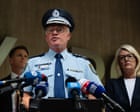
Commissioner Lanyon’s legal team waited until September 9—less than two weeks before public examinations were scheduled to kick off—to argue that opening statements and witness questioning should happen behind closed doors and away from livestream cameras. They claimed the watchdog lacked the power for broad public submissions mid-investigation.
Lecc Chief Commissioner Peter Johnson SC didn't mince words. He called the timing "more than regrettable." The push forced an abrupt delay to the entire proceeding, wasting public resources and fracturing trust further.
Why fight public scrutiny so aggressively? The watchdog's counsel assisting pointed out a glaring reality: senior police officers had already spent months pushing their own public narrative about what went down on George Street. When command tells its version to the cameras, independent oversight needs to match that volume with facts.
Public concern has simmered for months, especially across Western Sydney's Islamic communities and among civil liberties advocates. Sue Higginson from the NSW Greens didn't hold back, labeling the closed-door attempt an extraordinary move to shield command structures and political decisions from public exposure.
The compromise hashed out by the watchdog means a hybrid approach: factual matters will face private examination first, paving the way for public sessions targeting systemic issues later this month.
Yet the damage to institutional credibility is already done. When police forces attempt to shield their own actions from public gaze, they feed the exact skepticism they claim to combat. Real accountability doesn't hide in private hearing rooms. It stands under the bright lights of public inquiry.