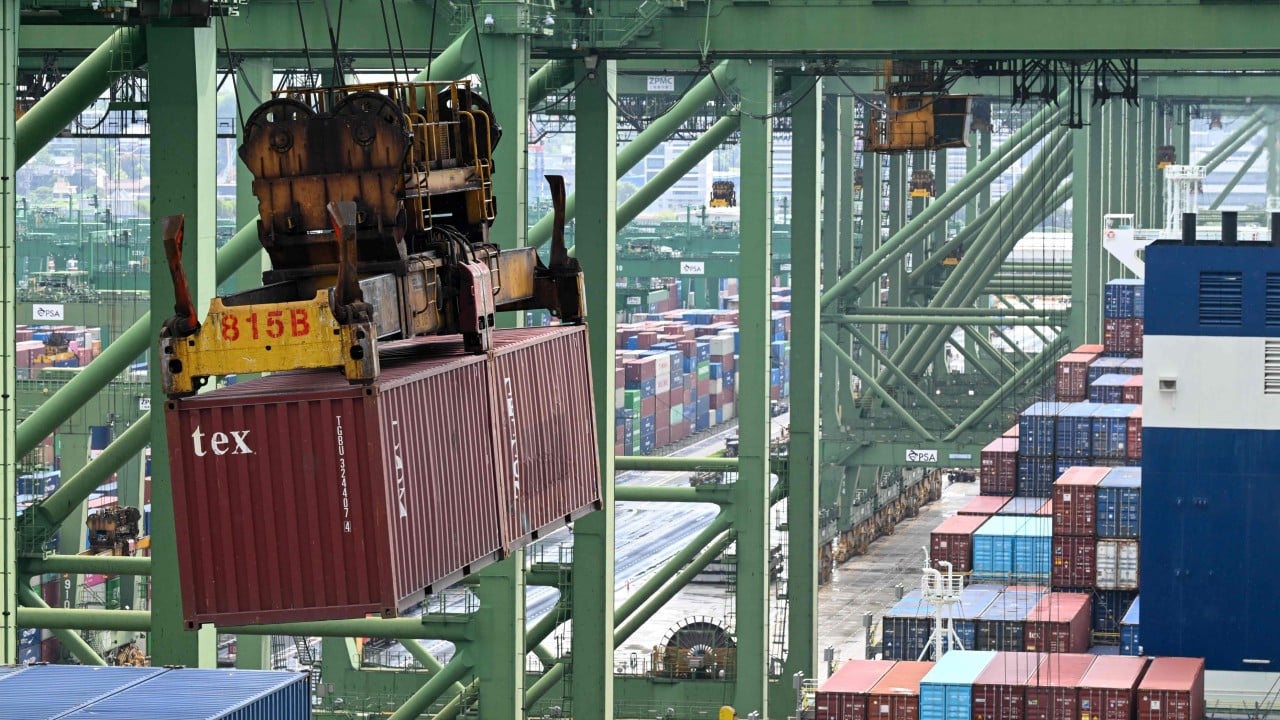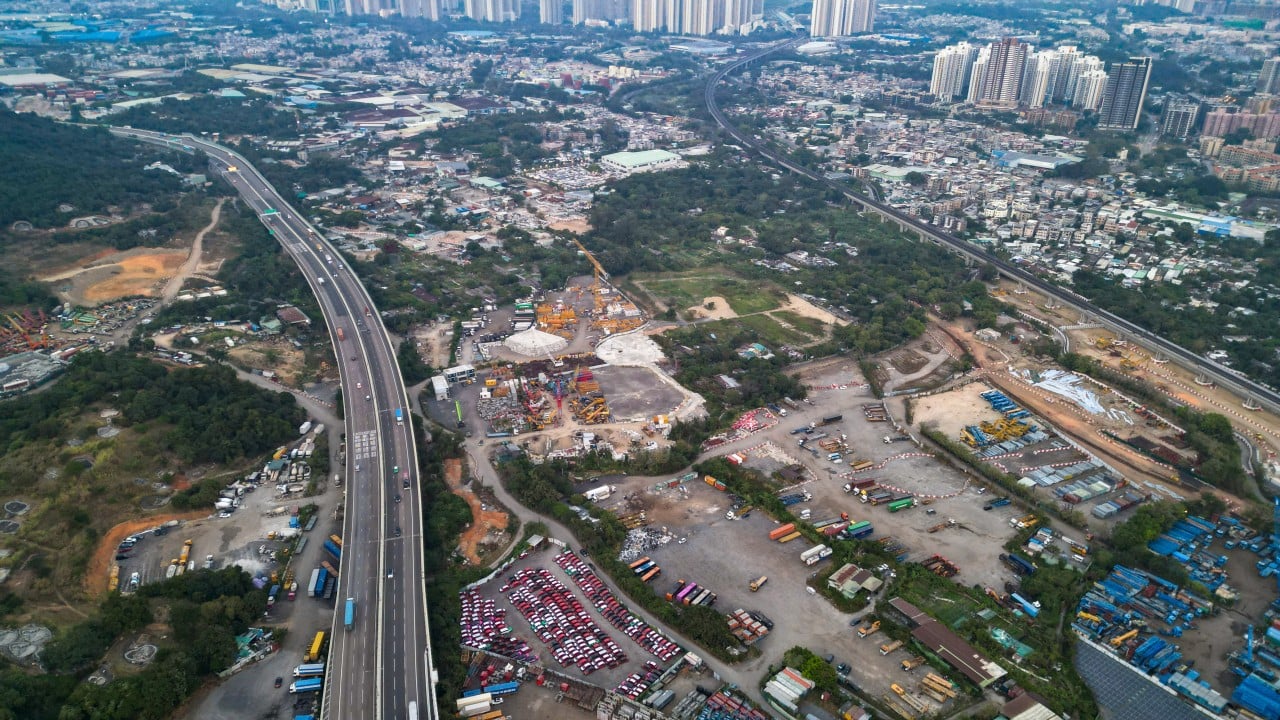
Hong Kong just took a massive gamble on how it sells land, and the crowd looks thin. When the clock struck noon on Friday, July 3, 2026, the government’s inaugural pilot tender for the Northern Metropolis in Hung Shui Kiu closed with exactly two bids on the table.
For a city used to decade-long property booms where dozens of developers fought like wolves over every square meter of concrete, two bids sounds like a flop. It isn't. If you found value in this piece, you should read: this related article.
If you judge this purely by headcount, you miss the point entirely. The real story isn't the quantity of the bids, it's the DNA of the bidders.
Secretary for Development Bernadette Linn Hon-ho wasn't spinning face-saving rhetoric when she publicly cheered the turnout the next morning. The government intentionally rigged this system to kill off the traditional, isolated model of property speculation. They wanted a different animal, and they got one. For another look on this development, see the recent coverage from MarketWatch.
The End of the Solo Developer Era
Look closely at who actually showed up to play. Henderson Land Development threw its hat in the ring, maintaining its traditional solo stance. The magic, however, lies in the mega-consortium that stood opposite them. Sino Land didn't just partner with the usual financial suspects. They built a diverse alliance featuring China Merchants Land, China Resources Land, China Overseas Land & Investment, CTG Investment, and the mainland e-commerce powerhouse JD.com.
Let's think about that structure for a second.
Historically, Hong Kong land sales were simple. A developer bought a plot, built high-rise apartments or a shopping mall, collected the cash, and walked away. The actual economic utility of the space wasn't their problem.
The Hung Shui Kiu pilot site completely flips that script. Spanning 11 hectares, it splits the layout right down the middle: 2.6 hectares for residential living and 5.5 hectares strictly for industrial, innovation, and technology use, alongside public walkways and community amenities.
A traditional developer has no idea how to run an advanced robotics lab or a logistics hub. A tech firm doesn't want to manage residential zoning and foundation pile-driving. By forcing these distinct worlds together, the government essentially acted as a corporate matchmaker. They created a framework where a tech giant like JD.com sits at the exact same table as a master builder like Sino Land.
The Real Power of the Two Envelope System
The real reason the bidder room felt empty is that the government intentionally made the entry price incredibly steep, not in dollars, but in execution capability.
This tender doesn't go to the highest bidder. It uses a strict two-envelope evaluation system where the financial premium proposal accounts for a mere 30% of the total score. The remaining 70% relies entirely on non-premium, qualitative factors.
Tender Score Weighting Breakdown:
[30%] Financial Premium Proposal
[70%] Strategic Value, Industry Execution, & Job Creation
If you want to win this site, your bid has to prove you can do the heavy lifting:
- Attract tier-one global technology firms.
- Guarantee rapid, efficient construction timelines.
- Commit to long-term capital investment.
- Generate high-value, sustainable local employment.
This completely locks out speculative buyers who buy land just to hoard it on their balance sheets while waiting for asset prices to recover. It's an operational test. If you don't have the operator network, you don't even bother filling out the paperwork. That's why we only see two bids. The barrier to entry worked exactly as designed.
Market Realities the Government Must Face Next
While the diversity of the Sino-led consortium proves the strategic concept works, the government can't just rest on its laurels. The market environment in 2026 is brutally demanding. Industry data from CBRE Hong Kong highlights that industrial vacancy rates remain stubborn, and the required 165,000 square meters of minimum innovation and technology gross floor area for this project is a massive chunk of space for the market to digest all at once.
If officials want the next two large-scale land disposal areas slated for 2027 to succeed, they need to fix a couple of glaring structural issues.
First, the fixed six-month tender window is an administrative relic. Forcing a multi-company consortium to coordinate a multi-billion dollar, 50-year developmental roadmap before a rigid clock runs out is unnecessary stress. Moving to a rolling tender format where qualified bids are assessed on absolute merit would keep the development pipeline moving smoothly.
Second, the current building code needs a desperate update for modern industrial realities. Current rules frequently penalize developments with high ceilings via "double floor area counting." High-spec AI data centers require vertical clearance above 6 meters for cooling infrastructure, and modern automated logistics hubs need more than 10 meters. The city needs specific zoning rules for the Northern Metropolis that prioritize industrial functionality over rigid, legacy real estate metrics.
The Next Moves for Smart Investors
The Tender Assessment Panel, led by the Permanent Secretary for Development, is currently analyzing the submissions. They plan to announce the official winner by the end of August 2026.
If you are tracking the Hong Kong property market or looking to position your business in the Greater Bay Area, don't watch the land premium price tags. Instead, closely monitor the operational milestones set by the winning consortium. The real value lies in how fast they can convert that 5.5-hectare tech zone into functional, high-density commercial space.
Watch the specific corporate partnerships that emerge from the winning team over the next twelve months. That will show you the exact blueprint for how public-private partnerships will shape Hong Kong's economic northern border for the next generation.