Your company's remote hiring process has a massive blind spot, and state-sponsored hackers are exploiting it daily.
Federal law enforcement just exposed a sprawling operation where North Korean information technology workers secured remote roles at more than 70 American companies. These operatives didn't just steal code or data. They funneled millions straight back to Pyongyang's sanctioned weapons programs using a surprisingly low-tech strategy: "laptop farms" planted right inside U.S. living rooms.
If you thought remote work security stopped at VPNs and multi-factor authentication, you're missing the entire threat vector.
The Anatomy of the Laptop Farm Scheme
The mechanics behind this operation are both brazen and mundane. Instead of hacking into corporate servers from an underground bunker abroad, North Korean operatives outsourced the physical presence to domestic accomplices.
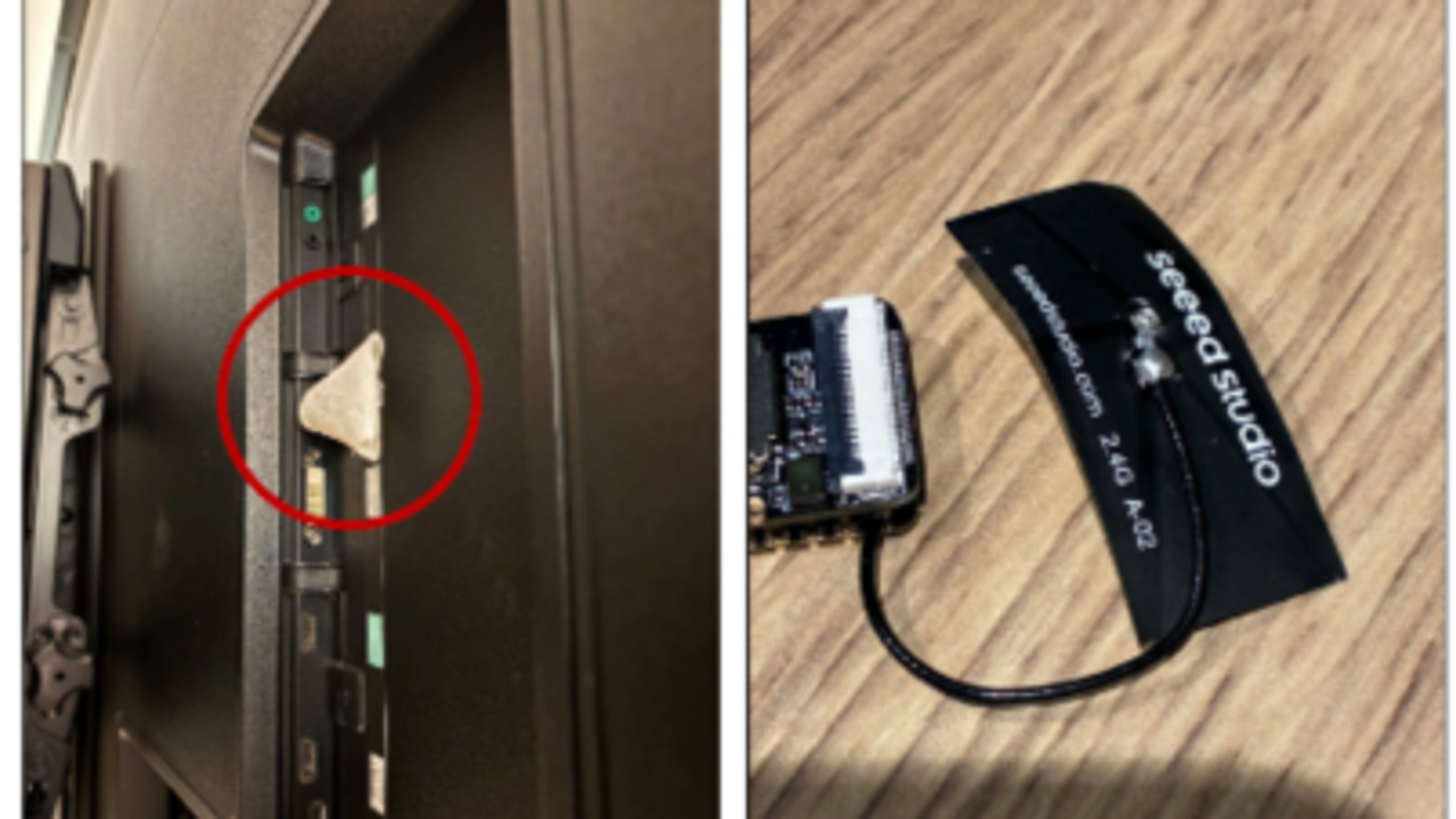
Between September 21 and September 25, the FBI raided more than 40 residences in Texas. They seized approximately 187 laptops and KVM (keyboard, video, mouse) switching devices. Cybersecurity firm CrowdStrike tracks this specific threat cluster under the name "Famous Chollima."
Here is how the scam works in practice:
- Domestic facilitators—such as Michael James Bostelle in Pennsylvania and Juan Cecilio Pena Carrillo in Texas, who were recently arrested by the Department of Justice—host banks of corporate-issued laptops in their homes.
- The actual coders, sitting overseas, log into these American-hosted machines remotely to complete daily tasks, attend Zoom standups, and collect hefty salaries.
- Stolen or fabricated identities of real Americans are used to pass background checks and compliance filters.
The scheme generated at least $3 million in illicit revenue. More importantly, it highlights how easily remote trust can be spoofed when human HR processes fail to verify who is actually behind the keyboard.
Why Traditional Hiring Screens Fail
Most human resources departments rely on digital resumes, virtual video interviews, and standard background checks. That system assumes applicants are operating in good faith. It falls apart completely when confronted with organized crime syndicates backed by a nation-state.
When North Korean operatives infiltrate U.S. tech jobs, they leverage several tactics that standard onboarding misses:
- Proxy Interviews: They often use deepfakes or hire proxies to sit through initial video screenings, or they claim technical difficulties with webcams during technical interviews.
- Identity Theft: The indictment noted that over 25 American identities were compromised to establish tax profiles and bank accounts.
- Coercion and Intimidation: When companies catch on, these actors don't always walk away quietly. Federal authorities warn that operatives have used U.S.-based facilitators to make in-person threats of physical violence or corporate data leaks against employers who try to remove unauthorized accounts.
You cannot solve this with a better firewall. You have to fix your human verification loop.
How to Protect Your Engineering Team Today
You don't need to ban remote work to stay secure, but you do need to tighten your operational security immediately. Blindly trusting standard remote onboarding practices is no longer an option.
Take these concrete steps right now:
- Mandate Hardware Security Keys: Require physical FIDO2/WebAuthn hardware security keys (like YubiKeys) for all internal repository access. A remote proxy sitting overseas cannot authenticate if the physical key sits in a U.S. residence—unless the local handler is actively collaborating, which brings us to the next point.
- Implement Continuous Behavioral Monitoring: Watch for anomalies in commit patterns, unusual login hours relative to the employee's stated time zone, and unexpected network routing.
- Require Periodic In-Person or Verified Check-Ins: For high-privilege access, mandate verified video check-ins with unannounced technical questions, or require trusted local contractors to pass rigorous verification standards.
- Audit Existing Payroll and Tax Outflows: Cross-reference employee banking details with residential addresses. If a developer's bank account routes through suspicious crypto-mixing services or doesn't match tax withholding profiles, flag it for immediate review.
State-sponsored schemes will keep evolving as long as remote companies prioritize speed over verification. Stop assuming your HR funnel is bulletproof. Verify every single link in your engineering chain before the next raid happens at your doorstep.