You think you have time until the smoke appears on your own street. That is the first mistake most people make when an out-of-control wildfire breaches a community line. By the time you smell the burning pine, the window for a calm, organized exit has usually slammed shut.
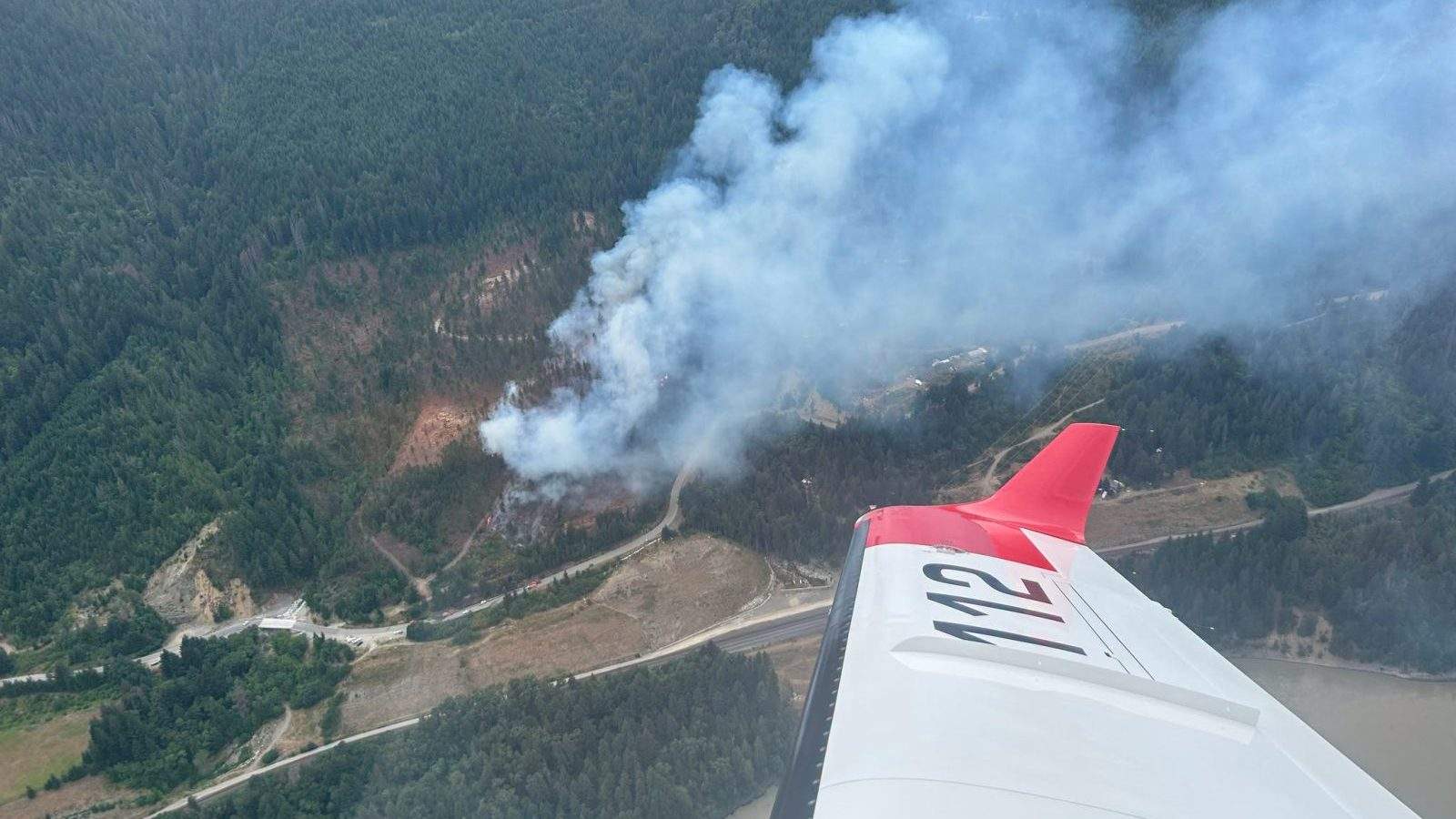
Right now, residents along Chaumox Road near North Bend are learning this lesson in real-time. A fast-moving, human-caused fire just outside Boston Bar has jumped to 100 hectares, forcing immediate evacuations for roughly 60 properties. The Fraser Valley Regional District quickly declared a local state of emergency as the BC Wildfire Service struggles against a stubborn blaze moving upslope on the west side of the Fraser River. Don't miss our earlier post on this related article.
If you live anywhere near the Fraser Valley, or in any community bordered by dense timber, this isn't just another headline to scroll past. It's a loud warning. The reality of modern wildfire behavior means the old way of building a "to-go bag" and hoping for the best doesn't cut it anymore.
The Anatomy of the Fraser Valley Wildfire Threat
The current crisis near Boston Bar highlights exactly why the Fraser Canyon geography is a nightmare for emergency crews. You have steep terrain, erratic wind patterns funneled by the river, and highly flammable fuel loads. The BC Wildfire Service deployed heavy equipment, initial attack crews, and multiple aviation resources, but battling a fire that is actively throwing spot fires north of Brunswick Creek is incredibly difficult. To read more about the background of this, The Guardian offers an excellent breakdown.
Weather is not doing anyone any favors either. Environment Canada predicts temperatures hovering around 30°C with absolutely zero rain in the immediate forecast. When the ground is this dry, even small embers carried by the wind can instantly spark new blazes miles away from the main fire front. In fact, smoke from this specific Fraser Valley incident has already drifted far enough to be clearly visible over the Okanagan.
Most people assume the biggest threat is the main wall of fire. It isn't. The real danger comes from the airborne embers that fly ahead of the main body, landing on roofs, getting sucked into attic vents, and trapping residents before the actual forest fire arrives.
What the Official Alerts Miss About Emergency Preparedness
When local officials issue an evacuation alert for the entire community of Boston Bar, the standard advice is always the same: grab your government ID, pack up your pets, and get ready to leave.
That advice is accurate, but it leaves out the practical logistics of an actual chaotic exit. If you wait for the official order to start planning, you are already behind. Based on how fast these incidents scale up, you need a dynamic plan that accounts for real-world chaos.
The True Grab-and-Go Checklist
Forget the generic emergency kits sold online. You need a functional kit built for speed.
- Hard Data Protection: Do not rely on cloud storage when cell towers are threatened or overwhelmed by heavy emergency traffic. Keep copies of home insurance policies, birth certificates, and medical records on a physical USB drive stored right by the front door.
- Pet Management Realities: Packing pet food is easy, but people regularly forget to pack secure crates, sturdy leashes, and veterinary records. Reception centers, like the temporary setup established at the Hope Recreation Centre conference hall, have strict protocols for displaced animals.
- Prescription Continuity: Keep a physical, up-to-date list of every critical medication your family requires, along with the contact info for your pharmacy. If you have to bolt at 2:00 AM, you will not remember the exact dosages.
Defensive Strategies You Can Implement Right Now
You can't control the weather, and you can't stop an out-of-control wildfire once it gains momentum in the hills. What you can do is drastically alter how vulnerable your specific property is to flying embers before an alert ever lands on your phone.
The concept of defensible space isn't complicated, but it requires immediate effort.
Clear out the dead leaves and dry pine needles that accumulate in your gutters and along your roofline. Move any stacks of firewood, propane tanks, or patio furniture at least ten meters away from your home's exterior walls. If an ember lands on a clean metal roof, it dies. If it lands in a pile of dry leaves sitting next to vinyl siding, your house becomes part of the fuel load.
Next Steps for Local Residents
Stop waiting for the sky to turn orange before you take action.
- Map Out Two Distinct Routes: Look at the local road network right now. If your primary highway out of town gets blocked by emergency vehicles or active fire, you must know the secondary backroads immediately.
- Establish a Family Check-In Point: Cell service frequently drops or gets clogged during regional emergencies. Pick an out-of-area relative or a specific location outside the valley where everyone knows to meet if communication lines fail.
- Monitor Official Channels Constantly: Keep a battery-powered radio handy and track updates directly from the BC Wildfire Service mobile app and the Fraser Valley Regional District emergency portal rather than relying on rumors circulating on social media.