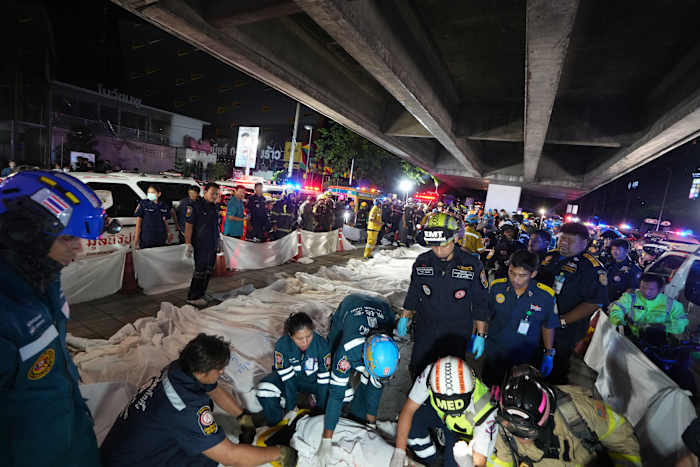
A night out shouldn't cost your life. Yet, around midnight on Sunday, July 12, 2026, a crowded venue in Bangkok turned into a death trap. A massive fire tore through the Rong Beer Na Lat Phrao bar and restaurant in the Chatuchak district, leaving at least 27 people dead and 63 injured. It’s a gut-wrenching disaster that feels infuriatingly familiar to anyone tracking nightlife safety in Thailand.
People went out to hear live music, grab a drink, and unwind. Instead, they were caught in a stampede of fire and toxic smoke. The tragedy exposes a dark reality that building inspectors and venue owners have ignored for years. If you step into a crowded bar tonight, you might assume you're safe. This incident proves you can't take that for granted.
The Reality of the Rong Beer Na Lat Phrao Disaster
The fire didn’t start slowly. Witnesses and performers say it happened in a flash. Musicians on stage noticed smoke billowing from a circuit breaker right next to the performance area. Seconds later, the power cut out, plunging the entire venue into pitch-black darkness. Then, an explosion shook the building.
Thick, toxic smoke filled the air instantly. Panic took over. Patrons rushed toward the front entrance, which was already a wall of fire. Videos shared on social media show terrifying footage of screaming crowds fleeing into the street, some with their clothes literally on fire.
Rong Beer Na Lat Phrao Fire: The Numbers
• Confirmed Dead: 27
• Hospitalized: 63
• Patients in Critical Condition: 22
• Time to Control Fire: 35 minutes
For those who couldn't make it out the front door, options vanished quickly. Firefighters arrived to find a scene of absolute devastation. While they knocked down the main flames in about 35 minutes, the damage was done. Inside, they made a horrific discovery. Dozens of victims were piled up in the restrooms at the back of the pub.
Why Tragedies Like This Keep Happening
Bangkok Governor Chadchart Sittipunt pointed directly to the main killer: smoke inhalation. But the deeper issue is structural failure. Thai Prime Minister Anutin Charnvirakul visited the scene and noted that the victims ran to the back bathrooms because there were no viable fire escapes in that direction.
Worse, initial investigations suggest the emergency exits that did exist may have been blocked or locked. It’s a lethal combination seen in nightclub fires globally:
- Highly flammable soundproofing materials along the walls and ceilings.
- Electrical overloads from heavy stage lighting and sound equipment.
- A complete lack of illuminated, clear exit paths when the main grid fails.
Many victims didn't even have identification on them, making the immediate sorting and identification process a nightmare for local hospitals.
A History of Ignored Warnings
This isn't an isolated accident; it's a systemic pattern. Thailand has a notorious track record of lax enforcement regarding venue safety codes.
Look at the timeline. In 2022, a fire at a music pub in eastern Thailand killed 14 people under similar circumstances. Go back to 2009, and you find the infamous Santika Nightclub fire in Bangkok, where 66 people died and over 200 were injured on New Year's Eve. The Santika blaze was triggered by indoor fireworks, but the high death toll resulted from the exact same culprits: blocked exits, no emergency lighting, and a lack of clear escape routes.
We keep seeing the same script play out. Regulations exist on paper, but venue owners frequently bypass them to maximize space or cut costs, while inspectors turn a blind eye.
How to Protect Yourself in a Crowded Venue
You can't control whether a business follows the law, but you can control your own exit strategy. When you walk into any crowded bar, club, or concert venue, you need to change how you look at the space.
Don't just look for the bar or the stage. Take five seconds to scan the room. Find at least two exits. Remember that the main entrance will always be the bottleneck because everyone tries to leave the way they entered. If that door is blocked by fire, you need an alternative.
Pay attention to overcrowding. If a venue feels packed to the point where moving around is difficult, it's a hazard. Trust your gut and leave. If the room lacks visible, lit exit signs, or if you notice exposed wiring near the stage, take your business somewhere else. It's simply not worth the gamble.
The tragedy at Chatuchak is a grim reminder that structural safety isn't an afterthought—it's a matter of survival. Demand better safety standards from the places you frequent, and never enter a venue without knowing exactly how you'll get out.