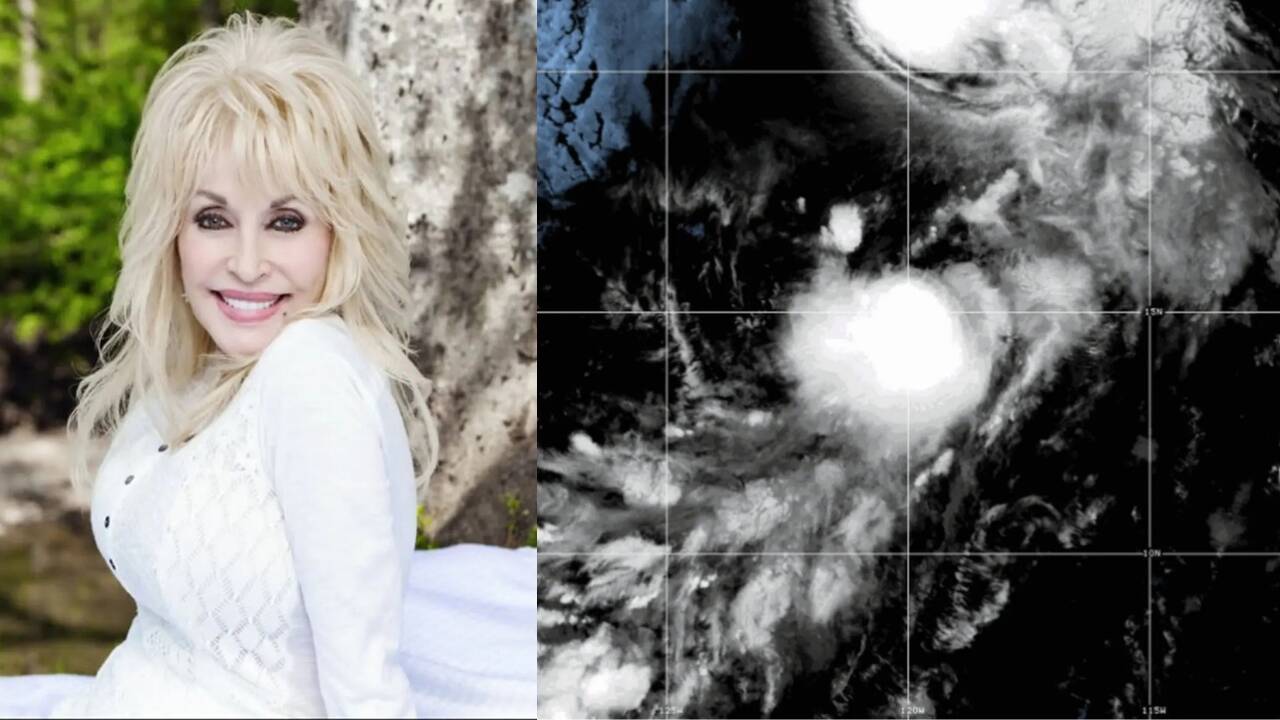
The internet loves a poetic twist. When country music legend Dolly Parton passed away, meteorologists and pop culture fans simultaneously noticed a strange alignment. The very next tropical storm system brewing in the Atlantic basin is queued up to bear the name Dolly.
Naturally, social media reacted as if the cosmos had scripted a dramatic tribute. But behind the striking timing lies a rigid bureaucratic system that was locked into place years ago. The storm won't be named out of grief or reverence. It's just alphabetical rotation meeting atmospheric conditions. For another perspective, see: this related article.
How the Atlantic Naming Machine Actually Works
If you've ever wondered who gets to decide what a hurricane or tropical storm is called, look to the World Meteorological Organization (WMO). They don't pull names out of a hat when a disturbance forms off the coast of Africa.
Instead, the WMO maintains six rotating lists for Atlantic tropical cyclones. These lists recycle every six years. The names on the 2026 roster were designated long in advance, meaning the slot for Dolly was stamped into official documents years before anyone knew what kind of year 2026 would turn out to be. Similar insight on this matter has been shared by The Guardian.
The sequence is dead simple. Names run alphabetically, alternating between male and female monikers. For this year, the season started with Arthur, moved to Bertha, and hit Cristobal. With those three already checked off the register, the fourth spot on the list naturally falls on Dolly.
What It Takes to Earn the Name
A weather disturbance doesn't get a human name just by showing up on a satellite map. Mother Nature has to clear a specific performance threshold first.
A system must reach tropical storm strength, packing maximum sustained winds of at least 39 mph (63 kph). Right now, the National Hurricane Center is tracking a cluster of showers and thunderstorms moving off the west coast of Africa near the Cabo Verde Islands.
Forecasters are watching to see if this disturbance organizes into a tropical depression. Only if it intensifies further and crosses that 39 mph threshold will forecasters officially bestow the name Dolly upon it. If the system fizzles out into harmless rain, the name stays on the table for the next eligible storm.
When Names Disappear for Good
While the standard lists rotate like clockwork every six years, not every name gets a second act. When a hurricane causes catastrophic damage or massive loss of life, the WMO steps in to retire it permanently.
For instance, following the devastating 2025 season, the name Melissa was formally retired after a destructive Category 5 system tore through parts of the Caribbean. When that specific six-year cycle rolls back around in 2031, Molly will step in as the replacement.
Dolly hasn't earned that kind of historic infamy yet. Its current claim to fame is entirely tied to a calendar marker and a tragic pop culture coincidence.
A Quieter Season Than Usual
The potential arrival of Dolly also highlights a slower-than-average hurricane cycle. Early predictions from the National Oceanic and Atmospheric Administration pointed toward a below-normal season overall, largely influenced by prevailing weather patterns like El Niño.
Fewer storms mean the alphabet gets used up much slower. In a hyper-active year, we might be staring down names deep into the alphabet by late August. Instead, we are only sitting at the letter D.
Keep an eye on regional weather alerts if you live along vulnerable coastlines. Whether the next system spins up into a major threat or dissolves into the ocean, the name attached to it is nothing more than a coincidence of the calendar.