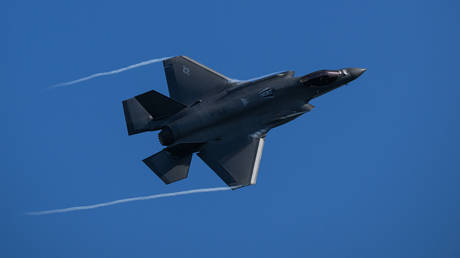
Red carpets roll out and fighter jets scream across the Washington sky. Donald Trump and Xi Jinping are back in the same room. It's Xi's first trip to the American capital in more than ten years, and Washington is pulling out all the stops.
You’ve probably seen the headlines about the pomp and circumstance on the South Lawn. But beneath the military reviews and the state dinner guest lists featuring tech royalty like Elon Musk, Jensen Huang, and Sam Altman, a much bigger realignment is happening. Treasury Secretary Scott Bessent announced an immediate extension of the current trade truce, pushing the expiration date from November 10 out to January 10. If you found value in this piece, you might want to look at: this related article.
Trade ceasefires are great for calming nervous markets. Still, the reality of US-China relations in 2026 is far more complicated than a simple temporary fix.
What’s Actually Driving the Washington Summit
For years, Washington watchers expected a permanent, hardline decoupling. Hawks inside the administration wanted total economic separation. Yet Trump's approach during this summit looks remarkably transactional and pragmatic. For another perspective on this event, see the latest coverage from The New York Times.
Xi arrived declaring that the two superpowers should act as partners rather than rivals. It's a classic diplomatic talking point, but it lands differently when paired with actual policy movement. Beyond the tariff extensions, both administrations are launching a formal artificial intelligence dialogue.
Why does AI matter here? Because compute power and next-generation models are the new nuclear arms race. Keeping lines of communication open prevents accidental escalation in a sector moving faster than any bureaucratic agency can regulate.
The Taiwan Question That Won't Go Away
You can't talk about a presidential summit without addressing the elephant in the room. Taiwan remains the most volatile flashpoint in international politics.
Earlier this year, comments from the White House regarding American arms sales being used as a negotiating chip caused genuine panic in Taipei. Xi is pressing hard on this issue during closed-door sessions. Trump's willingness to treat core geopolitical commitments as negotiable assets keeps foreign policy veterans on edge.
Administrations change, but the core security dilemma in the South China Sea doesn't.
Who Wins When Tech Titans Break Bread
The evening state dinner brought together an unusual mix of political muscle and Silicon Valley giants. When you seat the head of OpenAI next to the leader of the world's second-largest economy, you aren't just hosting a social event. You're mapping out the infrastructure of the future.
Tech executives need regulatory predictability. China needs access to global hardware supply chains and stable export channels. By looping corporate heavyweights into the diplomatic fold, both governments are outsourcing parts of their economic diplomacy to the private sector.
If you're watching global markets or managing cross-border supply chains, this summit signals a brief window of stability. Take advantage of the breathing room. Trade lines are open for a few more months, but the underlying friction hasn't vanished. Nothing stays settled for long when two unpredictable leaders hold the steering wheel.