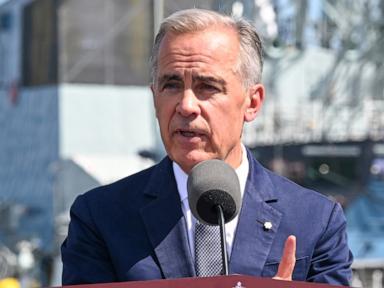
Donald Trump just announced what he calls the biggest oil deal in human history.
The agreement ties the United States directly to 65 billion barrels of proven crude in Venezuela. Following the dramatic political shifts in Caracas earlier this year, the administration wasted no time locking down long-term energy access. Under the terms, private operators secure 100-year concessions across 17 oil fields, while the U.S. government bags a 35% stake through the Department of Defense and secures the right to buy 20% of the production at direct cost.
If you want to understand how Washington plans to rewrite hemispheric energy dominance, you need to look past the political grandstanding and examine the mechanics.
The Mechanics of the Agreement
How does a deal of this magnitude actually function on the ground?
The arrangement centers around North American Blue Energy Partners taking charge of 17 major fields. Instead of traditional foreign direct investment that leaves assets vulnerable to sudden nationalization, the framework builds structural financial incentives directly into the corporate ownership. The U.S. State Department gains the right to purchase a guaranteed percentage of the off-take at raw production cost.
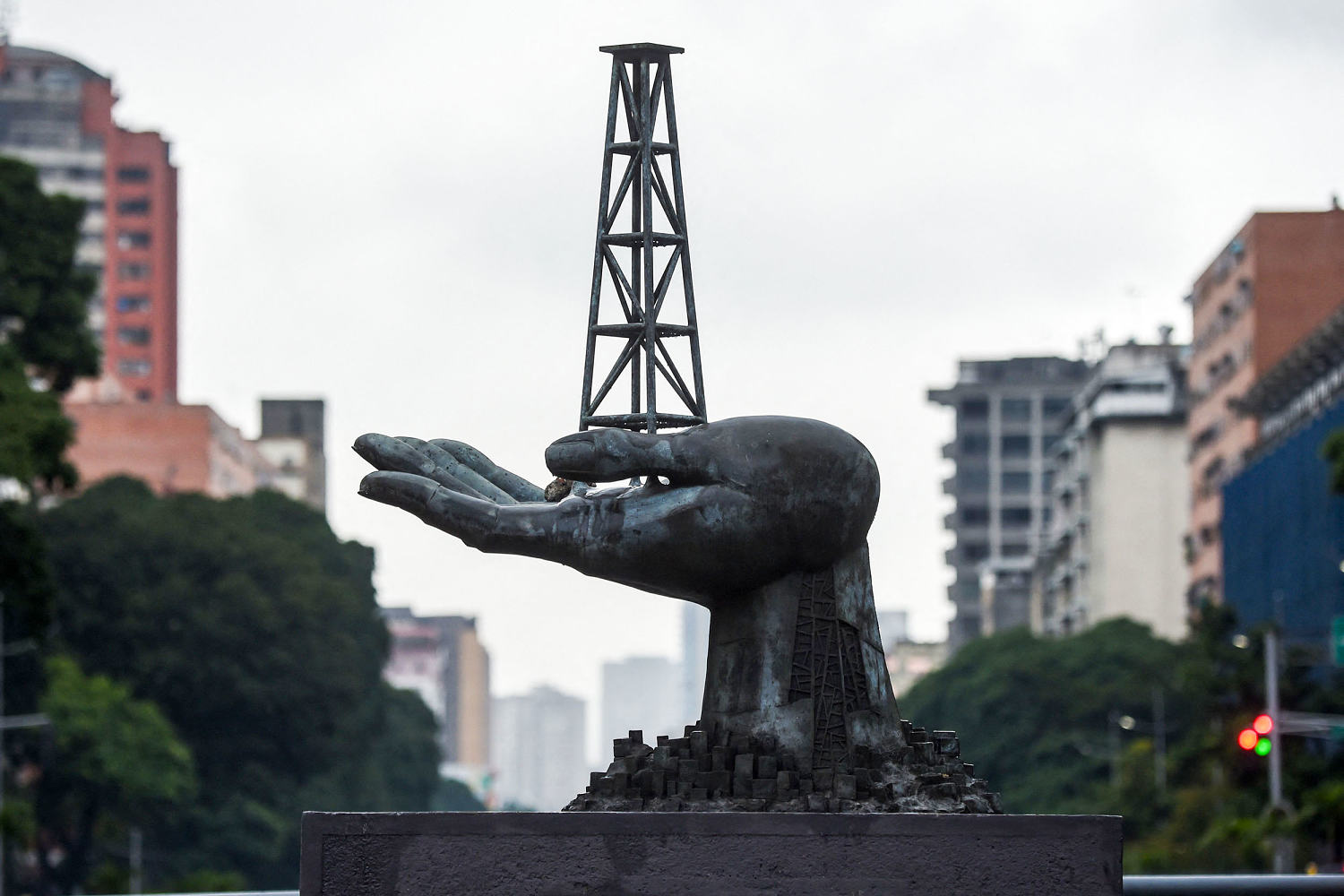
This isn't about immediate relief at your local gas station pump. Anyone telling you prices will drop overnight hasn't looked at a Venezuelan refinery lately. Decades of institutional neglect turned the country's extraction infrastructure into a rusted graveyard. Heavy crude requires specialized upgraders, functioning pipelines, and working rigs. Much of that equipment was cannibalized or broken long before American involvement began.
Bringing these barrels back online requires massive capital expenditure. Private firms are betting that modern American engineering and deep-pocketed investors can reverse twenty-five years of severe decline.
Why Washington Chose This Exact Moment
Timing in geopolitics is everything.
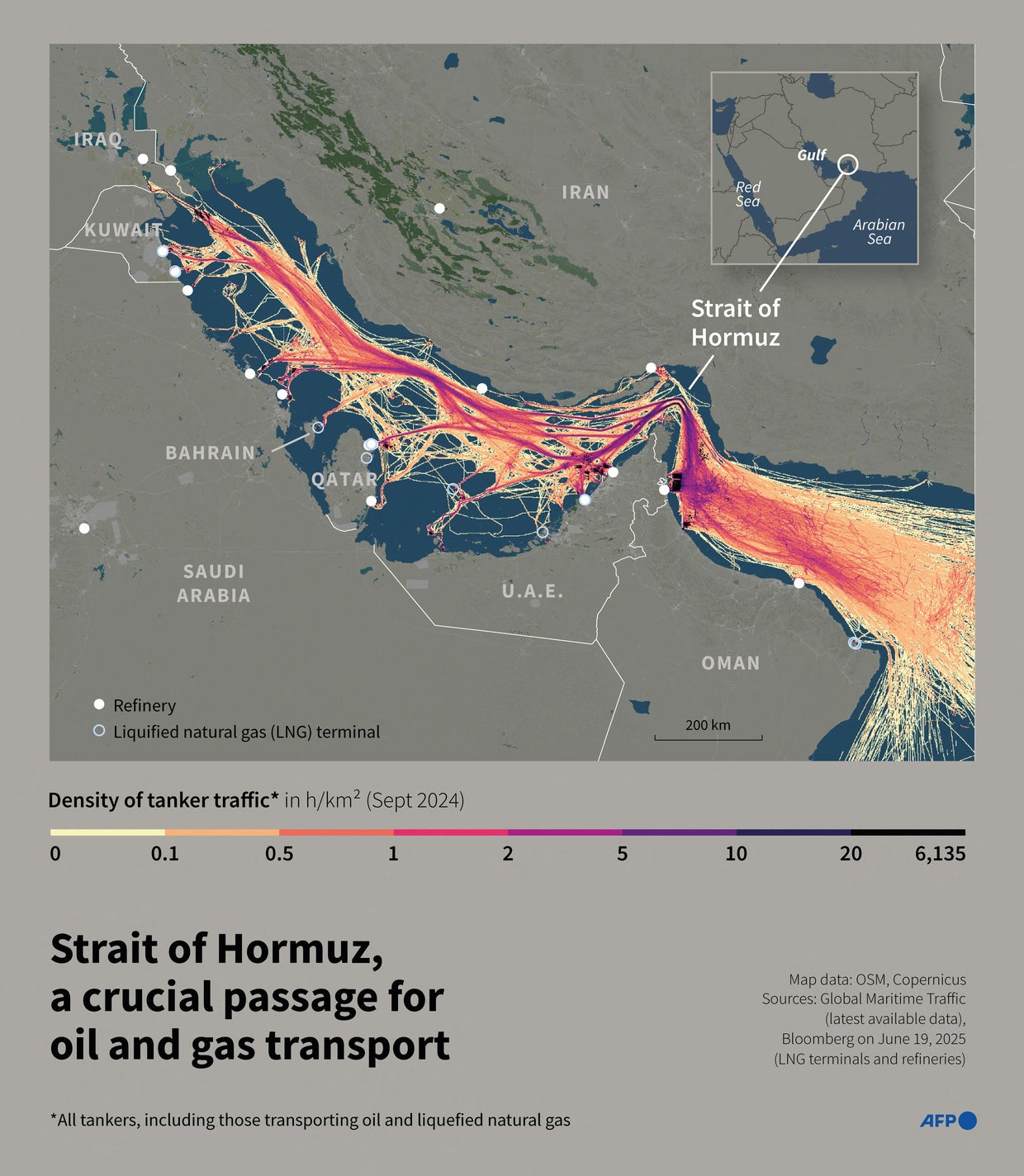
Global energy markets remain fractured. Protracted conflicts in Eastern Europe and the Middle East permanently altered supply chains. For years, European and Asian markets relied heavily on volatile suppliers, leaving Western economies exposed to sudden price spikes and strategic blackmail.
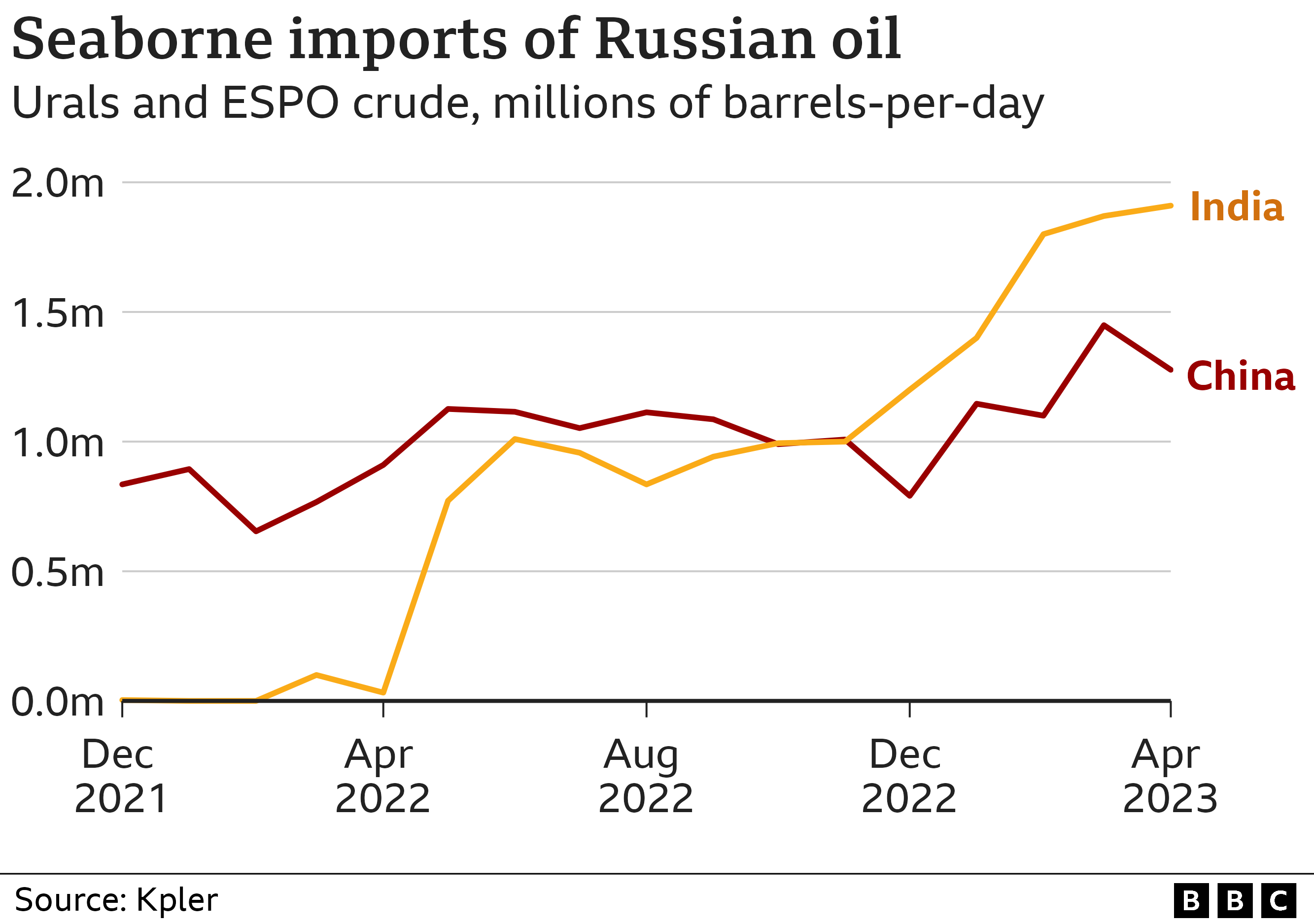
By pivoting heavily into the Western Hemisphere, the White House is reviving a modern interpretation of the Monroe Doctrine. The administration is actively squeezing out foreign competitors, particularly Chinese and Russian state-backed firms that previously held dominant positions in Venezuela's Orinoco Belt.
The numbers tell a clear story. The White House projects roughly $200 billion in royalty and tax payments over the initial twenty-five years. That capital is supposed to fund the complete reconstruction of Venezuela's battered social infrastructure while stabilizing the local economy.
The Risks Nobody Wants to Talk About
Every massive foreign intervention comes with severe structural baggage.
Critics and regional economists point out the glaring political optics. When a government under intense foreign pressure signs away century-long concessions, questions of sovereignty inevitably follow. Local legal experts argue whether these agreements comply with constitutional frameworks or if they simply represent another chapter of resource extraction imposed by outside powers.
Furthermore, the logistical hurdles are staggering. Restoring extra-heavy oil production demands billions of dollars upfront. Security risks remain elevated. Labor shortages and institutional corruption won't vanish simply because a new contract was signed in Washington.
If private operators fail to secure adequate capital, these 65 billion barrels will stay trapped beneath the earth, serving as nothing more than a flashy headline.
Monitor how quickly the first wave of heavy crude actually clears Venezuelan ports. Watch the capital expenditure reports from major energy stakeholders over the next two quarters. That will tell you whether this historic pact becomes a lasting energy shield or an expensive diplomatic gamble.
The Biggest Oil Deal or Theft at Gunpoint? U.S. Claims ...
This video provides an in-depth look at the controversy surrounding the U.S.-Venezuela oil agreement and the competing perspectives on its legality and impact.